
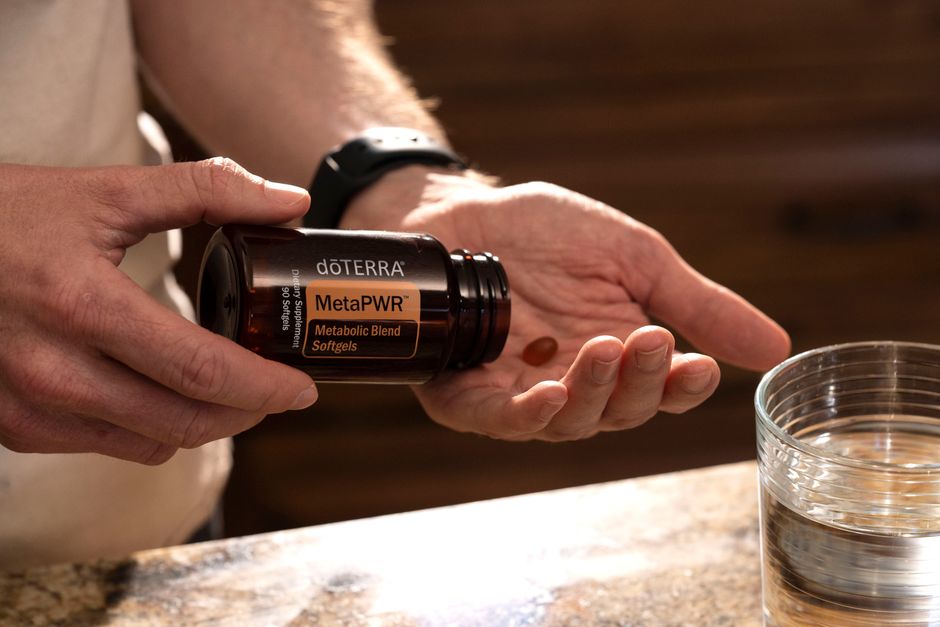
Most healthy adults need between 250 and 500 milligrams of combined EPA and DHA per day. That is the range most nutrition research points to for supporting heart health. For people with diagnosed heart disease or high triglycerides, doctors often recommend higher doses, sometimes 1,000 milligrams or more. But the right amount depends on your health status, your diet, and whether you are taking fish oil for a specific medical reason.
What Are EPA and DHA?
EPA and DHA are two types of omega-3 fatty acids. They are long-chain fats found mainly in cold-water fish like salmon, mackerel, sardines, and anchovies. Your body can make small amounts from plant-based omega-3s, but the process is inefficient. That is why dietary sources matter.
EPA stands for eicosapentaenoic acid. DHA stands for docosahexaenoic acid. Both play different but overlapping roles. EPA is more involved in reducing inflammation. DHA is a structural component of cell membranes, especially in the brain and eyes.
These fats are not optional. They are essential, meaning your body needs them but cannot produce them in sufficient amounts on its own. You must get them from food or supplements.
How Much EPA and DHA Do You Need Daily?
There is no single official daily requirement for EPA and DHA in the United States. The National Academies set an Adequate Intake for total omega-3s, but that number includes plant-based ALA, which is different. For EPA and DHA specifically, most health organizations recommend aiming for 250 to 500 milligrams combined per day for general health.
That recommendation comes largely from studies on heart disease. Research consistently shows that people who consume this amount have lower rates of sudden cardiac death and other cardiovascular events. The American Heart Association has stated that people without heart disease should eat fish—preferably fatty fish—at least twice a week. That translates to roughly 250 to 500 milligrams of EPA and DHA per day.
For people with existing heart disease, the recommended amount is higher. Many cardiologists suggest 1,000 milligrams per day of combined EPA and DHA. For people with high triglycerides, the evidence supports even higher doses—typically 2,000 to 4,000 milligrams per day—but this should only be done under medical supervision.
EPA and DHA Dosage by Health Goal
The right dose depends on why you are taking omega-3s. Here is how the evidence breaks down by common health goals.
General health and prevention: 250 to 500 milligrams per day of combined EPA and DHA. This is the range most associated with lower cardiovascular risk in healthy populations.
Heart disease management: Around 1,000 milligrams per day. Some clinical trials used this dose in people with prior heart attacks or heart failure. Results have been mixed overall, but the evidence leans toward benefit.
High triglycerides: 2,000 to 4,000 milligrams per day. This is a prescription-level dose. Over-the-counter fish oil capsules rarely deliver this amount without taking many pills. Prescription omega-3 medications are often used at this dose.
Brain and eye health: DHA is the dominant omega-3 in the brain and retina. Some research suggests 200 to 300 milligrams of DHA per day supports cognitive function in older adults. The evidence is promising but not definitive.
Pregnancy and breastfeeding: Many prenatal guidelines recommend 200 to 300 milligrams of DHA per day. DHA supports fetal brain and eye development. Some prenatal vitamins include it, but many do not, so check the label.
These are general ranges, not strict rules. Individual needs vary based on age, sex, genetics, and health conditions.





Food Sources vs. Supplements
Food is the preferred source of EPA and DHA. Fatty fish provide both nutrients in a natural matrix that your body absorbs well. A 3.5-ounce serving of salmon contains roughly 1,000 to 1,500 milligrams of combined EPA and DHA. Sardines provide about 1,000 milligrams per serving. Mackerel and herring are also excellent sources.
Supplements are a practical alternative for people who do not eat fish. Fish oil, krill oil, and algae-based supplements all provide EPA and DHA. Algae oil is the only plant-based source that contains both preformed EPA and DHA. Flaxseed oil and chia seeds contain ALA, not EPA or DHA, and the conversion rate in your body is low—generally under 10 percent.
When choosing a supplement, read the label carefully. The front of the bottle may say “1,000 mg fish oil,” but that is the total oil weight. The actual EPA and DHA content is listed separately on the back. A typical 1,000 milligram fish oil capsule contains about 300 to 500 milligrams of combined EPA and DHA. The rest is other fats.
What Happens If You Take Too Much?
High doses of EPA and DHA are not without risk. The FDA has stated that consuming up to 3,000 milligrams per day of combined EPA and DHA from supplements is generally recognized as safe. Above that level, the risk of side effects increases.
Common side effects at higher doses include fishy burps, digestive upset, and loose stools. More serious concerns include increased bleeding risk. Omega-3s thin the blood slightly by reducing platelet aggregation. For most people this is harmless, but for those on blood thinners or about to have surgery, high doses can be problematic.
Some research has raised questions about very high doses and prostate cancer risk. A large study published in the Journal of the National Cancer Institute found an association between high blood levels of omega-3s and increased prostate cancer risk. This does not prove causation, and the finding has not changed official recommendations. But it is a reason to avoid megadosing without medical need.
If you take more than 3,000 milligrams per day, do so only under a doctor’s supervision. There is no evidence that doses above this level provide additional benefits for the general population.
Do You Need a Blood Test to Know Your Levels?
Blood tests for omega-3 levels exist, but they are not routine. The most common test measures the Omega-3 Index, which is the percentage of EPA and DHA in red blood cell membranes. An index above 8 percent is considered desirable. Below 4 percent is considered low.
Most doctors do not order this test for healthy patients. It is more commonly used in research settings or for people with known heart disease who want to track whether their intake is adequate. If you are curious about your levels, ask your doctor. The test requires a blood draw and is not always covered by insurance.
For most people, dietary assessment is sufficient. If you eat fatty fish twice a week, you are likely in a reasonable range. If you rarely eat fish and do not take a supplement, your levels are probably low.
Do Plant-Based Omega-3s Count?
Plant-based omega-3s come in the form of ALA, found in flaxseeds, chia seeds, walnuts, and canola oil. ALA is an essential fat, but it is not the same as EPA and DHA. Your body must convert ALA into EPA and DHA, and the conversion rate is poor.
Research indicates that only about 5 to 10 percent of ALA converts to EPA, and less than 1 percent converts to DHA. This means eating flaxseed oil is not an effective way to raise your DHA levels. For vegetarians and vegans, algae-based supplements are the most reliable plant-derived source of preformed DHA and EPA.
The evidence for ALA and heart health is weaker than for EPA and DHA. Some studies suggest ALA may reduce cardiovascular risk, but the effect is smaller. If you rely on plant sources, consider an algae supplement to ensure adequate EPA and DHA intake.
How to Choose a Quality Supplement
Not all fish oil supplements are equal. Quality varies widely by brand. Look for products that have been tested by independent organizations like USP, NSF International, or ConsumerLab. These certifications confirm that the product contains what the label claims and does not contain harmful levels of contaminants.
Mercury and PCB contamination are real concerns with fish oil, though most reputable brands test for these. Molecularly distilled oils have lower contaminant levels. The triglyceride form of fish oil is absorbed better than the ethyl ester form, though the difference is modest.
Check the expiration date. Omega-3s oxidize over time, and oxidized fish oil can be rancid. Some products add vitamin E to slow oxidation. Store your supplements in a cool, dark place and avoid buying in bulk if you do not use them quickly.
Frequently Asked Questions
Can I take too much EPA and DHA?
Yes, doses above 3,000 milligrams per day increase bleeding risk and digestive side effects. Stay within recommended ranges unless a doctor advises otherwise.
Is 1000 mg of fish oil the same as 1000 mg of EPA and DHA?
No. A 1,000 milligram fish oil capsule typically contains only 300 to 500 milligrams of combined EPA and DHA. Check the supplement facts panel for the actual EPA and DHA amounts.
Do I need EPA and DHA if I eat fish regularly?
If you eat fatty fish at least twice a week, you likely meet the 250 to 500 milligram daily target. If you eat only lean fish like cod or tilapia, you may still need a supplement.
Are algae-based omega-3 supplements as effective as fish oil?
Algae oil provides preformed DHA and EPA and is a viable plant-based alternative. Studies show it raises blood omega-3 levels comparably to fish oil.
