
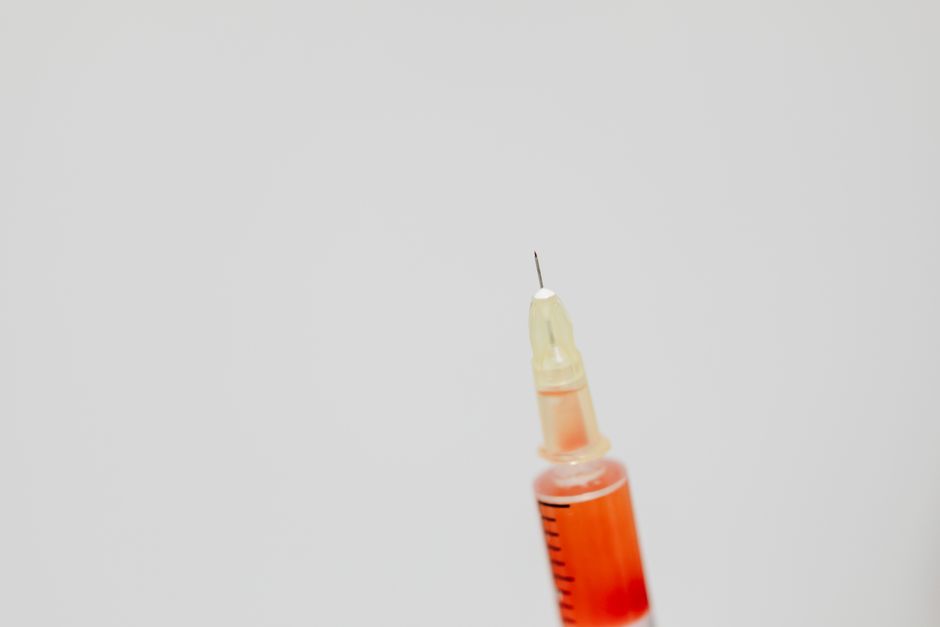
Microneedling costs between roughly $100 and $700 per session in the United States, depending on where you live, the size of the area treated, and who performs it. Most people need a series of sessions rather than one, so a full face treatment plan commonly runs from about $400 to $2,000. Medical microneedling performed in a dermatology office tends to sit at the higher end, while cosmetic spa sessions sit lower.
That range is wide because microneedling is not one single procedure. It is a category of treatments that use fine needles to create controlled micro-injuries in the skin. The device, the provider, and the goal all change the price.
What Determines the Price of Microneedling?
Four factors drive most of the cost: provider type, treatment area, geographic location, and whether the device is a medical-grade tool or a cosmetic roller.
A board-certified dermatologist or plastic surgeon charges more than an esthetician at a day spa. That gap reflects training, medical oversight, and the equipment used. A dermatology practice using a powered, FDA-cleared microneedling device with adjustable needle depth will typically charge more than a spa using a hand-held roller.
Treatment area matters just as much. A single small area such as acne scars on one cheek costs less than full-face treatment. Treating the face, neck, and chest together costs more than the face alone. Stretch marks, surgical scars, and hair-loss treatment on the scalp are priced differently again.
Location is the quiet variable. A clinic in a major coastal city charges more than one in a smaller inland market. This is not about quality — it reflects rent, labor costs, and local demand.
Add-on products push the price up further. Many providers combine microneedling with a topical serum, platelet-rich plasma (PRP), or a radiofrequency handpiece. Each addition raises the total.
How Much Does Microneedling Cost by Treatment Area?
Price scales with the size of the area and the complexity of the tissue. These are typical US ranges, not fixed rates.
- Full face: roughly $200 to $700 per session
- Face and neck: roughly $300 to $800 per session
- Single small area (one scar, one cheek): roughly $100 to $300 per session
- Stretch marks (limited area): roughly $150 to $500 per session
- Scalp for hair loss: roughly $200 to $600 per session
These numbers overlap because providers bundle differently. One clinic may include a post-treatment mask and aftercare kit in the quoted price. Another may charge separately for everything. Always ask what the quoted price includes before you book.
How Much Does Microneedling Cost With PRP or Radiofrequency?
Adding platelet-rich plasma or radiofrequency to microneedling raises the cost substantially. These are separate procedures layered onto the same appointment.
PRP involves drawing a small amount of your blood, processing it to concentrate the platelets, and applying that plasma to the skin during or after needling. Because it requires a blood draw, a centrifuge, and additional staff time, it adds cost. Sessions combining microneedling with PRP commonly run from about $500 to $1,500 per treatment, depending on the clinic and area.
Microneedling with radiofrequency uses a device that delivers heat energy through the needles into deeper skin layers. This is a more advanced procedure with a higher equipment cost, and it is usually performed by a physician or under physician supervision. Pricing often falls in a similar range to PRP, and sometimes higher.
Here is an important point about the evidence. PRP and radiofrequency are widely offered, and some studies suggest they may improve certain outcomes compared with microneedling alone. But the research is not settled, and results vary by condition and device. No large, consistent body of trials confirms that every add-on delivers a meaningful benefit for every person. If a clinic presents these as guaranteed upgrades, that is a marketing claim, not a clinical fact.



How Many Sessions Will You Actually Need?
One session is rarely the plan. Most providers recommend a series, and the total cost depends on how many sessions your skin needs.
For general skin texture and fine lines, a common recommendation is several sessions spaced a few weeks apart. For acne scars or stretch marks, the series is often longer. The exact number varies by person, by the depth of the concern, and by how the skin responds.
This is where the total cost becomes clear. A single session at $300 sounds manageable. A recommended series of four sessions is $1,200. Add maintenance sessions over time and the number grows.
No clinical guideline sets a fixed number of sessions for everyone. Any provider who quotes an exact session count before examining your skin is guessing. A responsible provider assesses your skin, explains a range, and adjusts based on how you respond.
Is Cheaper Microneedling a Good Idea?
Lower cost is not automatically lower quality, but very cheap microneedling deserves scrutiny. The two things that most affect both safety and results are who performs the treatment and what device they use.
At-home microneedling rollers are sold widely and cost far less than in-office treatment. The needles on these devices are short and the rollers are difficult to keep sterile. Reusing a roller can introduce bacteria into the skin. Home devices also cannot reach the deeper skin layers that in-office treatment targets, so the results are not equivalent. The evidence for meaningful benefit from at-home rollers is limited.
A bargain in-office price may also signal a cut corner — a shared or poorly maintained device, an unlicensed operator, or a treatment performed with no medical assessment. Microneedling breaks the skin barrier. That makes sterile technique and proper training genuinely important, not optional.
When comparing prices, ask these questions:
- Who will perform the treatment, and what is their training?
- What device is used, and is it FDA-cleared for this purpose?
- Is the needle cartridge new and sterile for each session?
- What is included in the quoted price, and what costs extra?
- What is the realistic downtime and aftercare?
What Are the Risks and Downtime?
Microneedling is generally well tolerated, but it is not risk-free. Common side effects include redness, mild swelling, and tenderness for a short time after treatment. These usually settle within a few days.
More serious risks include infection, scarring, and changes in skin pigment, particularly in people with darker skin tones. These are uncommon but real. Proper technique and aftercare reduce the risk but do not eliminate it.
Certain people should not have microneedling without medical clearance. This includes anyone with an active skin infection, certain skin conditions in the treatment area, or a history of poor wound healing. People who are pregnant or breastfeeding should discuss it with a clinician first. No clinical guidelines currently establish microneedling as clearly safe during pregnancy, so this decision belongs with a medical professional, not a spa intake form.
Downtime varies. Some people return to normal activities the same day with mild redness. Others need a day or two before makeup and sun exposure are comfortable. Deeper treatments and add-ons tend to involve more downtime.
How Does Microneedling Cost Compare With Other Treatments?
Cost only makes sense in context. Here is how microneedling sits alongside common skin treatments, using typical US ranges.
| Treatment | Typical cost per session | Typical series |
|---|---|---|
| Microneedling (face) | $200–$700 | Several sessions |
| Microneedling with PRP | $500–$1,500 | Several sessions |
| Chemical peel | $100–$1,000 | Varies widely |
| Laser resurfacing | $1,000–$3,000+ | Often fewer sessions |
| Botox (per area) | $200–$600 | Repeated every few months |
These ranges overlap and shift by market. Laser resurfacing costs more per session but may need fewer sessions. Botox is cheaper per visit but must be repeated regularly, so the yearly cost adds up. Microneedling sits in the middle — moderate per session, usually requiring a series.
The right comparison is not just price. It is price against what each treatment can realistically do for your specific concern, and what the evidence supports. A dermatologist can help match the treatment to the goal.
How to Budget for Microneedling
Total cost equals price per session times number of sessions, plus any add-ons and aftercare products. Estimate the series, not the single visit.
Ask about package pricing. Many clinics discount a bundle of sessions compared with paying per visit. Ask whether packages are refundable if you stop partway, and whether the price is locked or can change.
Check whether your insurance covers any part of it. Microneedling is almost always considered cosmetic, so insurance typically does not pay. There are narrow exceptions when a physician documents a medical purpose, such as treating a scar from surgery or injury. Even then, coverage is not guaranteed, and you should confirm directly with your insurer.
Finally, be skeptical of any provider promising a specific result in a specific number of sessions at a fixed price before assessing your skin. Skin responds at different rates. Honest pricing comes with honest expectations.
Frequently Asked Questions
How much does microneedling cost for the full face?
Full-face microneedling typically costs about $200 to $700 per session in the US. The total depends on how many sessions your provider recommends and any add-ons.
Is microneedling covered by insurance?
Insurance almost never covers microneedling because it is considered cosmetic. Coverage may be possible only when a physician documents a clear medical purpose, and you should confirm this with your insurer first.
How many microneedling sessions do I need?
Most providers recommend a series rather than a single session, with the number varying by your skin and concern. No clinical guideline sets a fixed count for everyone.
Is at-home microneedling as effective as in-office treatment?
No, at-home rollers use shorter needles and cannot reach the deeper skin layers that in-office devices target. Evidence for meaningful benefit from home devices is limited, and reusing them can introduce infection.
