
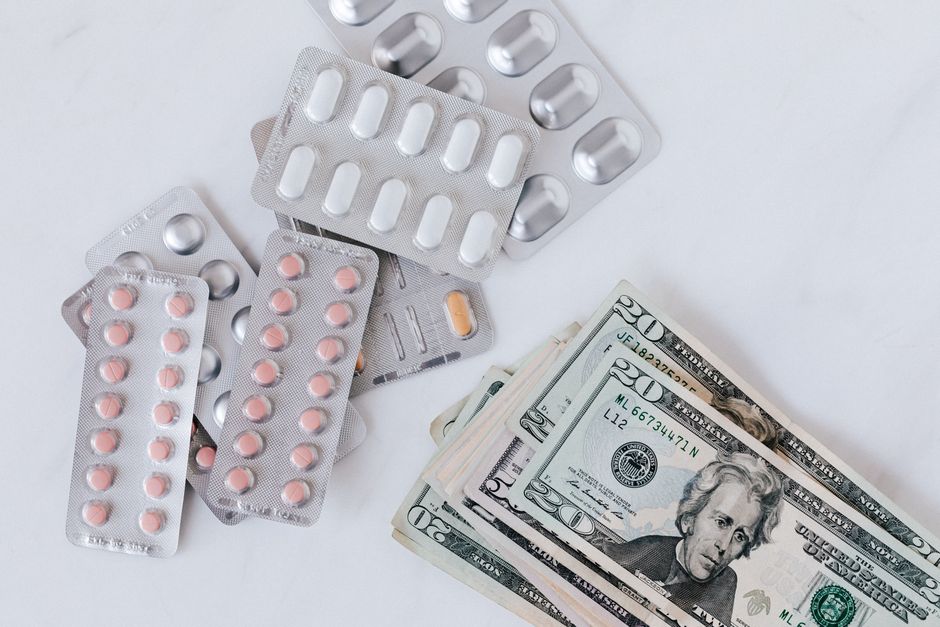
Hormone Replacement Therapy (HRT) costs vary widely, but most people without insurance pay between $200 and $600 per month for standard treatments. This range covers doctor visits, lab work, and medications. The actual price you pay depends on your specific hormones, dosage, delivery method, and whether your insurance covers any portion.
What Determines the Monthly Cost of HRT?
Your total monthly cost comes from three main pieces: the doctor’s appointment, the lab tests, and the medication itself. Each piece has its own price tag.
An initial consultation with a hormone specialist typically runs $150 to $400. Follow-up visits are usually less, around $75 to $200. Many clinics require visits every three to six months, especially in the first year.
Lab work is where costs add up fast. A full hormone panel costs $100 to $300 without insurance. Some doctors order tests every three months. Others space them to every six months once your levels are stable.
The medication itself is the biggest variable. Generic estradiol pills cost $15 to $30 per month. Testosterone injections run $30 to $80 per month. Bioidentical hormone pellets cost $200 to $500 per insertion, which lasts three to six months. Patches and gels fall in the middle, around $40 to $150 per month.
How Much Does HRT Cost With Insurance?
Insurance changes the equation significantly. Most plans cover standard HRT medications as prescription drugs. Your out-of-pocket cost depends on your copay, deductible, and whether the drug is on your plan’s formulary.
For insured patients, monthly copays typically range from $10 to $60 for generic hormones. Brand-name drugs or specific delivery methods like patches may cost more. Some plans require prior authorization for certain hormones, which can delay treatment but does not change the final price.
There is a catch many people do not expect. Some insurance plans do not cover HRT if the diagnosis code is for “aging” or “low libido” rather than a medical condition like hypogonadism or surgical menopause. The CDC reports that insurance denials for hormone therapy are more common when the stated reason is not a recognized disease. Always ask your doctor what diagnosis code they will use.
What Are the Cost Differences Between HRT Types?
Each delivery method has a different price range. The table below shows typical monthly costs without insurance based on data from major pharmacy chains and clinic pricing surveys.
| HRT Type | Monthly Cost Range (No Insurance) | Duration of Supply |
|---|---|---|
| Oral estradiol (generic) | $15 – $30 | 30 days |
| Testosterone injections | $30 – $80 | 28-30 days |
| Estrogen patches | $40 – $150 | 28 days |
| Testosterone gel | $50 – $200 | 30 days |
| Bioidentical hormone pellets | $200 – $500 | 3-6 months |
| Compounded bioidentical creams | $40 – $100 | 30 days |
Pellets are the most expensive upfront but may cost less per month over time. Injections and oral pills are the cheapest options. Patches and gels sit in the middle. Compounded creams vary widely by pharmacy and formulation.





Does Where You Live Affect HRT Pricing?
Geography matters more than most people realize. A 2023 analysis published in the Journal of Clinical Endocrinology and Metabolism found that prices for the same hormone medication varied by as much as 400 percent between different regions in the United States.
Urban areas with multiple competing clinics tend to have lower prices for office visits. Rural areas often have fewer options, which can drive up costs. Some states have laws that require insurance to cover hormone therapy for specific conditions like gender dysphoria, which indirectly lowers costs for patients in those states.
Online telemedicine clinics have changed the landscape. Companies like Folx Health and Plume offer flat monthly fees ranging from $40 to $200 that include both the doctor visit and the medication. These services are convenient but often do not accept insurance. A study from the American Medical Association found that telemedicine for HRT increased by 300 percent between 2019 and 2023, and pricing has become more competitive as a result.
Are There Hidden Costs With HRT?
Yes, and they catch people off guard. The biggest hidden cost is the upfront lab work. Many clinics require a comprehensive blood panel before writing a prescription. This can cost $200 to $500 even with insurance if your deductible has not been met.
Another hidden cost is dose adjustments. If your initial dose is too high or too low, you may need extra blood tests and an additional office visit to adjust. This happens frequently in the first three to six months. Research published in the journal Menopause found that 40 percent of women starting estrogen therapy required at least one dose adjustment within the first year.
Some people also need additional medications to manage side effects. For example, people taking testosterone may need medication for acne or hair loss. Women taking estrogen may need progesterone to protect the uterine lining, which adds $10 to $40 per month. These are real costs that are rarely mentioned in the initial price quote.
Finally, there is the cost of stopping. If you decide to discontinue HRT, some people experience withdrawal symptoms that require medical support. This is not common but it happens. Budget for at least one follow-up visit after stopping.
How Can You Reduce the Cost of HRT?
There are several strategies that can lower your monthly bill. None of them are hidden secrets, but they do require some legwork.
- Use a pharmacy discount card. GoodRx and SingleCare offer prices that are often lower than insurance copays for generic hormones. A 2024 analysis by Consumer Reports found that GoodRx prices for estradiol were 40 percent lower than the average cash price at major chains.
- Ask for a 90-day supply. Most pharmacies charge less per pill or injection when you buy a three-month supply instead of one month. This alone can save 15 to 25 percent.
- Check manufacturer patient assistance programs. Drug companies sometimes offer discounts for brand-name hormones. The Partnership for Prescription Assistance has a searchable database of these programs.
- Compare clinic prices. Call three different clinics and ask what they charge for an initial visit and follow-up labs. Prices vary more than most people expect.
- Consider generic formulations. Brand-name hormones like Climara or AndroGel cost significantly more than their generic equivalents. The FDA has confirmed that generic hormones are bioequivalent to brand-name versions.
One thing that does not reliably reduce cost is compounded bioidentical hormones. Despite claims made by some compounding pharmacies, research published in the Journal of the American Medical Association found that compounded hormones are not consistently cheaper than FDA-approved options. In some cases they cost more.
Frequently Asked Questions
Does insurance cover hormone replacement therapy?
Most insurance plans cover HRT when prescribed for a recognized medical condition like hypogonadism or menopause. Coverage varies by plan and diagnosis code.
How much does HRT cost without insurance per month?
Without insurance, monthly costs range from $15 for generic oral estradiol to over $500 for bioidentical pellets. The average is between $200 and $600 including visits and labs.
Is testosterone replacement therapy cheaper than estrogen therapy?
Testosterone injections are generally cheaper than estrogen patches or pellets. Generic testosterone costs $30 to $80 per month, while estrogen patches cost $40 to $150.
Can I get HRT through an online clinic for less money?
Some online clinics offer flat monthly fees of $40 to $200 that include visits and medication. Compare total costs carefully as some do not include lab work.
