
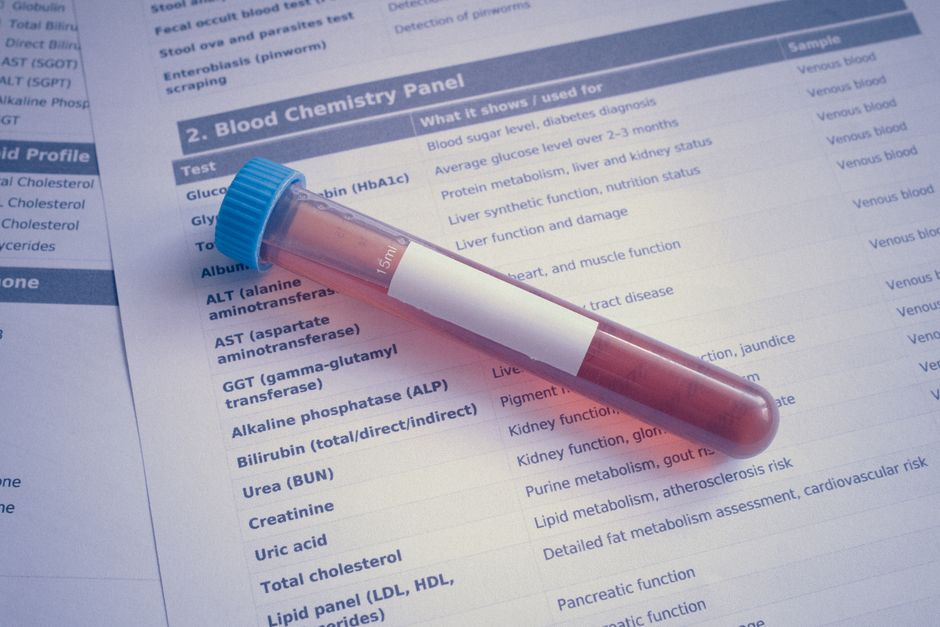
Genetic testing for hemochromatosis usually costs between $100 and $400 in the United States when you pay out of pocket. The wide range comes from where the test runs, whether it checks one mutation or the full HFE gene, and whether a clinic adds a fee for interpreting results. Many insurance plans cover the test when a doctor orders it because of symptoms or family history. Medicare generally covers it when it is medically necessary.
Hemochromatosis is a condition where the body absorbs too much iron. The most common form, hereditary hemochromatosis, is tied to changes in a gene called HFE. Testing for those changes is a blood test, not a physical exam. Understanding the cost means understanding what you are actually buying.
What Does Hemochromatosis Genetic Testing Actually Measure?
The test looks at the HFE gene for two specific changes: C282Y and H63D. These are the two mutations responsible for most hereditary hemochromatosis in people of Northern European descent. A lab reads your DNA from a blood sample and reports whether you carry zero, one, or two copies of each change.
That result tells you about genetic risk, not about how much iron is currently in your body. This is the part people often misunderstand. A genetic test can show you carry two C282Y mutations, which is the genotype most strongly linked to hereditary hemochromatosis. It cannot tell you whether iron has actually built up. For that, doctors order iron studies: serum ferritin and transferrin saturation.
Some labs offer a panel that checks only C282Y and H63D. Others sequence the entire HFE gene, which can find rarer variants. Full sequencing costs more and is usually reserved for unusual cases. For most people, the two-mutation test is what gets ordered.
Why Does the Price of Hemochromatosis Genetic Testing Vary So Much?
Three things drive the price: the lab, the test type, and the billing path.
- Lab type. Large reference laboratories that process high volumes tend to charge less than hospital labs. Direct-to-consumer online labs may advertise lower prices but sometimes charge extra for a physician review.
- Test scope. A targeted two-mutation test costs less than full gene sequencing.
- Billing path. Insurance-negotiated rates, Medicare rates, and self-pay cash prices are three different numbers for the same test.
Geography matters less than people expect, because most genetic testing is now centralized at a handful of large labs regardless of where you live.
Does Insurance Cover Hemochromatosis Genetic Testing?
Many insurance plans cover HFE testing when it is ordered for a medical reason. That usually means you have symptoms suggesting iron overload, abnormal iron blood tests, or a family member with confirmed hereditary hemochromatosis.
Coverage is less reliable when the test is ordered purely out of curiosity with no clinical context. Some plans require prior authorization. Some require genetic counseling first. If a claim is denied, you generally have the right to appeal, and a letter from your doctor explaining the medical reason often helps.
Medicare generally covers HFE genetic testing when a physician documents that it is medically necessary. Medicaid coverage varies by state. Because plan rules change, the most reliable step is to call your insurer with the specific test name and ask for the coverage determination in writing before the test is drawn.
Can You Get Hemochromatosis Genetic Testing Without a Doctor?
Yes. Several direct-to-consumer companies sell HFE testing online. You pay out of pocket, collect a sample at home or at a partner lab, and get results back in a few weeks. Prices in this category shift often, so treat any advertised figure as a starting point, not a guarantee.
Here is the catch worth knowing. A consumer test result without a clinician to interpret it can create more confusion than clarity. Learning you carry two C282Y mutations sounds alarming. In reality, many people with that genotype never develop significant iron overload. A doctor can put the result in context with iron blood tests and family history.
Some consumer labs include a physician review in the price. Others charge separately. Read the fine print before you pay.
What Do You Get for the Money?
The test itself is straightforward. A blood draw takes minutes. Results typically come back within one to three weeks depending on the lab.
What you are really paying for is the interpretation. A raw genotype report is not the same as a clinical assessment. A useful result connects three pieces of information:
- Your HFE genotype
- Your serum ferritin and transferrin saturation levels
- Your symptoms and family history
If a clinic charges a consultation fee on top of the lab fee, that is not padding. It is the part that turns a DNA result into a plan. Ask upfront whether the quoted price includes result interpretation.
Is the Test Worth the Cost?
For some people, yes. Hereditary hemochromatosis is one of the few genetic conditions where early detection can prevent real harm. Iron overload damages the liver, heart, joints, and pancreas over years. If it is caught before organs are affected, treatment is relatively simple: regular blood removal, similar to blood donation.
Testing makes the most sense if you have a parent or sibling with confirmed hereditary hemochromatosis, since the condition is inherited in an autosomal recessive pattern. It also makes sense if you have unexplained fatigue, joint pain, abnormal liver tests, or high ferritin with high transferrin saturation.
For someone with no symptoms and no family history, the value is lower. Hereditary hemochromatosis is more common in people of Northern European ancestry, but it is still uncommon overall. A positive genetic result in a low-risk person often leads to monitoring rather than treatment, because carrying the genotype is not the same as having the disease.
That distinction matters. The term “hereditary hemochromatosis” gets used loosely to describe both the genetic predisposition and the actual iron-loading disease. Only a minority of people with two C282Y mutations go on to develop clinical iron overload. A genetic test tells you about the first thing. Iron studies tell you about the second.
How Can You Keep the Cost Down?
Start with your doctor rather than a consumer site. A physician-ordered test through a standard lab is often the least expensive path once insurance is applied, and it comes with interpretation built in.
Ask the lab for the self-pay price if insurance denies the claim. Cash prices at large labs are sometimes lower than the insurance-negotiated rate.
Check whether a genetic counseling service is bundled or separate before you commit. And if cost is the main barrier, ask your doctor whether iron blood tests alone could guide the next step first. Ferritin and transferrin saturation are inexpensive and often reveal whether genetic testing is even needed.
Frequently Asked Questions
How much does hemochromatosis genetic testing cost without insurance?
Out-of-pocket prices typically fall between $100 and $400 in the United States, depending on the lab and whether the test checks two mutations or the full gene. Direct-to-consumer options can sit at the low end but may charge extra for a physician review.
Does Medicare pay for HFE genetic testing?
Medicare generally covers HFE testing when a physician documents that it is medically necessary. Coverage for testing ordered without a clear clinical reason is less certain, so confirm with your plan first.
Is a genetic test enough to diagnose hemochromatosis?
No. A genetic test shows whether you carry HFE mutations, but diagnosis of iron overload requires iron blood tests such as ferritin and transferrin saturation. Many people with two C282Y mutations never develop clinical iron overload.
Can I order a hemochromatosis test myself online?
Yes, several companies sell HFE testing directly to consumers. Results are best reviewed with a doctor, because a genotype alone does not tell you whether iron has built up in your body.
