
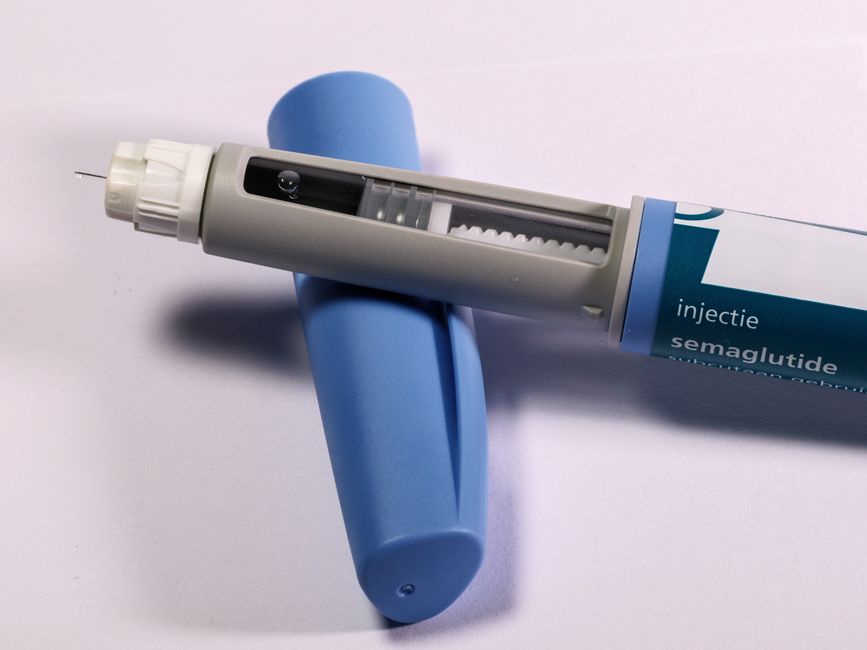
Glucagon raises blood sugar, and it does so fast. A standard dose given by injection or nasal spray typically lifts blood glucose by roughly 50 to 100 mg/dL within 10 to 15 minutes, enough to pull most people out of a hypoglycemic low. The exact rise depends on your starting glucose level, your body weight, how much glycogen your liver has stored, and whether the glucagon was given as an emergency rescue dose or a smaller dose for a mild low.
That range is the practical answer most people are looking for. The rest of this article explains why the number varies, how the hormone works, and where glucagon fits compared with eating fast-acting sugar.
What Is Glucagon and What Does It Do?
Glucagon is a hormone made by alpha cells in the pancreas. It is the main counter-regulatory hormone to insulin, meaning it does the opposite job.
Insulin moves glucose out of the blood and into cells, lowering blood sugar. Glucagon tells the liver to release stored glucose back into the bloodstream, raising blood sugar. These two hormones work as a push-pull system that keeps glucose in a narrow healthy range between meals and overnight.
When blood sugar drops, the pancreas releases glucagon. The hormone travels to the liver and triggers two processes:
- Glycogenolysis — the breakdown of glycogen, the stored form of glucose kept in the liver and muscles, into free glucose
- Gluconeogenesis — the creation of new glucose from non-carbohydrate sources such as amino acids and glycerol
Glycogenolysis acts within minutes. Gluconeogenesis is slower and contributes more over hours. For an emergency low, the fast glycogen release is what matters.
How Much Does Glucagon Raise Blood Sugar?
A standard rescue dose raises blood glucose by about 50 to 100 mg/dL within 10 to 15 minutes in most people. This is the figure clinicians use when deciding whether glucagon will be enough to correct a severe low.
Several things shift that number up or down:
- Starting glucose level. The lower you start, the larger the apparent rise, because there is more room to climb.
- Liver glycogen stores. Glucagon can only release glucose the liver has stored. If glycogen is depleted, the response is smaller.
- Body weight. Standard doses are fixed for adults, but a larger body mass can mean a smaller relative effect.
- Dose and route. Injectable glucagon and nasal glucagon are dosed differently, and the rise reflects that.
- Alcohol. Heavy drinking blocks the liver’s ability to release glucose and can blunt the response.
The 50 to 100 mg/dL range is a general clinical expectation, not a guarantee. Response varies between individuals, and some people need a second dose or intravenous glucose.
How Fast Does Glucagon Work?
Glucagon starts working within minutes. Blood glucose typically begins rising by 10 minutes after injection and peaks around 15 to 30 minutes. Nasal glucagon follows a similar timeline, with glucose rising within about 10 to 15 minutes.
This speed is why glucagon is the standard rescue treatment for severe hypoglycemia — a low so serious that a person cannot safely swallow food or drink. When someone is unconscious, having a seizure, or unable to cooperate, oral sugar is not an option because of choking risk. Glucagon can be given by a caregiver with no medical training.
The catch is that the effect is temporary. Glucagon releases stored glucose, but it does not refill the liver’s supply. Once the person is awake and able to swallow, they still need to eat a source of longer-lasting carbohydrate to prevent the blood sugar from dropping again.




Glucagon vs. Fast-Acting Sugar: Which Raises Blood Sugar Faster?
For a mild or moderate low in someone who can swallow, eating or drinking fast-acting carbohydrate is the first choice. It is faster, simpler, and does not require a prescription.
Glucagon is reserved for situations where oral sugar is not safe or not possible. The table below shows how the two compare.
| Feature | Fast-Acting Sugar (oral) | Glucagon (injection or nasal) |
|---|---|---|
| Typical rise in glucose | Varies with amount eaten | About 50 to 100 mg/dL |
| Onset | Within about 10 to 15 minutes | Within about 10 to 15 minutes |
| Who can use it | Person must be awake and able to swallow | Anyone, including an untrained caregiver |
| Requires prescription | No | Yes |
| Works if liver glycogen is depleted | Yes | Poorly |
One detail worth knowing: glucagon depends on the liver having glycogen to release. Oral glucose does not. That is why glucagon can fail in someone whose glycogen stores are low, such as after prolonged fasting, heavy alcohol use, or repeated lows.
Who Needs Glucagon and When Is It Used?
Glucagon is prescribed for people at risk of severe hypoglycemia. This most often means people with type 1 diabetes, and some people with type 2 diabetes who use insulin or certain other glucose-lowering medications.
The classic warning signs of a low include shakiness, sweating, confusion, fast heartbeat, and hunger. When these progress to unconsciousness, seizure, or an inability to swallow, that is when glucagon is used.
Common situations where it is needed:
- Severe low that does not respond to oral sugar
- Person is unconscious or having a seizure
- Person cannot swallow safely
- No one present can give intravenous glucose
Glucagon is not a routine treatment for a mild low. Using it when someone can simply eat sugar wastes a dose that may be needed later and can cause nausea and vomiting.
What Are the Side Effects of Glucagon?
Nausea and vomiting are the most common side effects. They are also the most important to know about, because vomiting in someone who is not fully alert creates a choking risk.
Other reported effects include headache, and a temporary rise in heart rate and blood pressure. These are usually short-lived. Because glucagon works by pulling glucose out of the liver, it can also cause a brief drop in potassium levels in the blood, which matters for people with certain heart or kidney conditions.
Anyone who is given glucagon should be turned onto their side if they are not fully awake, to protect the airway if they vomit. After they wake up, they should eat a snack with longer-lasting carbohydrate.
Glucagon is generally well tolerated, but it is not appropriate for everyone. People with certain tumors of the pancreas or adrenal glands, and some with specific heart conditions, may need to avoid it. A clinician weighs these factors when prescribing.
Does Everyone Respond to Glucagon the Same Way?
No. The response varies from person to person, and the variation is real, not just a matter of dose.
People with long-standing type 1 diabetes can develop a reduced glucagon response over time, because the alpha cells that make the hormone stop working as well. This is one reason severe lows become more common in some people with diabetes as the years go on.
Other factors that change the response:
- How much glycogen the liver has stored
- Recent alcohol use
- Body weight and composition
- How long the low has been going on
- Other medications that affect glucose
Because of this variability, glucagon should never be viewed as a guaranteed fix. It is a rescue tool that buys time. If the person does not wake up or their glucose does not rise, emergency medical help is needed.
How Is Glucagon Given?
Glucagon comes in a few forms, and the dose depends on which one you have. Injectable glucagon is typically given into the thigh muscle or under the skin. Nasal glucagon is sprayed into one nostril. Newer ready-to-use auto-injectors are designed for people with no medical training to use in an emergency.
Because the available products differ, the correct dose and method for each is set by the product’s label and the prescribing clinician. This article does not provide specific doses, because the right amount depends on the exact product and the person’s situation. Follow the instructions that come with your specific prescription.
Every household with someone at risk of severe hypoglycemia should know where the glucagon is kept, how to use it, and when to call emergency services. A caregiver who has practiced with a trainer device will act faster in a real emergency.
Frequently Asked Questions
How much does glucagon raise blood sugar?
A standard rescue dose typically raises blood glucose by about 50 to 100 mg/dL within 10 to 15 minutes. The exact rise depends on the starting glucose level, liver glycogen stores, and body weight.
How fast does glucagon work?
Blood glucose usually starts rising within about 10 minutes and peaks around 15 to 30 minutes after a dose. The effect is temporary, so food with longer-lasting carbohydrate is still needed afterward.
Can glucagon fail to raise blood sugar?
Yes. Glucagon depends on the liver having glycogen to release, so it can work poorly if glycogen stores are depleted, such as after heavy alcohol use or prolonged fasting. If the person does not wake up, call emergency services.
Is glucagon better than eating sugar for a low?
No. For someone who is awake and able to swallow, fast-acting oral sugar is the first choice and works just as quickly. Glucagon is reserved for severe lows where swallowing is not safe.
