
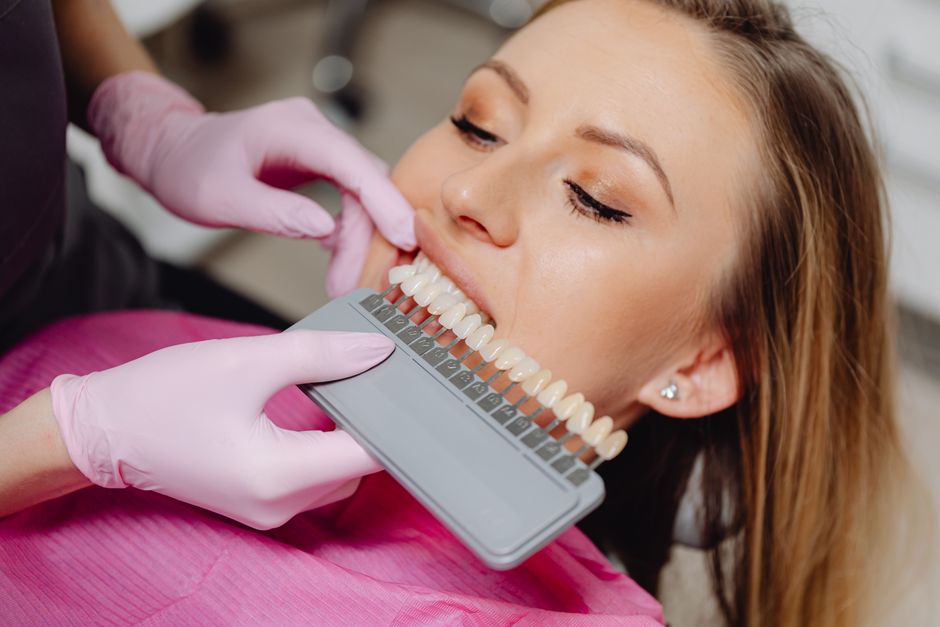
Cosmetic dentistry in the United States usually costs between a few hundred dollars for a single tooth whitening session and tens of thousands of dollars for a full smile makeover. Most individual procedures fall somewhere in the middle. Professional whitening typically runs $300 to $600, a single porcelain veneer often costs $900 to $2,500, and a dental implant with a crown can exceed $5,000.
Those ranges are wide because cosmetic dentistry has no single price list. What you pay depends on where you live, the dentist’s training and demand, the materials used, and how many teeth are involved. Below is a breakdown by procedure, along with what drives the cost and what the prices do not include.
Why Cosmetic Dentistry Prices Vary So Much
Dental fees in the US are set by individual practices, not by a national schedule. A porcelain crown in rural Ohio and the same crown in Manhattan are not the same product in cost terms, even when the clinical work is similar.
Three forces drive most of the variation. First, geography. Overhead in a major city — rent, staff wages, lab fees — is higher, and those costs pass to patients. Second, the dentist’s experience and specialty training. A general dentist and a prosthodontist may quote very different fees for the same restoration. Third, the lab. Crowns and veneers are often made by an outside dental laboratory, and the quality of the ceramic and the technician’s skill affect both price and longevity.
One thing that surprises many people: cosmetic procedures are usually treated as elective. Dental insurance commonly covers restorative work — a crown after a tooth fractures, for example — but often excludes or caps coverage when the same crown is placed purely to change appearance. Some plans pay a portion up to the cost of the basic restoration and leave you to cover the cosmetic upgrade. Call your insurer before treatment and ask for a pre-treatment estimate in writing.
How Much Does Cosmetic Dentistry Cost Prices by Procedure?
These are typical US price ranges for common cosmetic procedures. They are estimates based on published industry fee surveys and practice pricing, not a quote. Your dentist’s actual fee may fall above or below these figures.
| Procedure | Typical cost range (per tooth unless noted) |
|---|---|
| Professional teeth whitening (in-office) | $300–$600 |
| Take-home whitening trays | $150–$400 |
| Composite (bonded) filling for cosmetic repair | $150–$450 |
| Porcelain veneer | $900–$2,500 |
| Composite resin veneer | $250–$800 |
| Porcelain crown | $800–$2,500 |
| Dental implant (implant plus crown) | $3,000–$6,000 |
| Dental bonding (single tooth) | $300–$600 |
| Gum contouring (per area) | $200–$1,000 |
| Invisalign or clear aligners (full case) | $3,000–$8,000 |
| Full smile makeover (multiple procedures) | $10,000–$40,000+ |
These figures cover the dental fee. They generally do not include exams, X-rays, sedation, or follow-up visits, which some practices bill separately. Ask for an itemized treatment plan so you can see exactly what is included.
What Affects the Cost of Veneers and Crowns?
Veneers and crowns are the two most requested appearance-focused restorations, and they are also where pricing is most variable. A single porcelain veneer can range from roughly $900 to $2,500 depending on the factors below.
- Material. Porcelain costs more than composite resin but generally lasts longer and holds its color better.
- Number of teeth. A smile makeover often involves six to ten upper front teeth. The per-tooth fee stays similar, but the total climbs quickly.
- Lab quality. Custom-shaded ceramics from a skilled technician cost more than standard stock work.
- Complexity. Teeth that need reshaping, gum work, or bite correction before the veneer is placed add to the total.
Crowns follow similar logic. A full-coverage porcelain crown typically runs $800 to $2,500. A crown that is part of an implant costs more because the implant itself — the titanium post placed in the jawbone — is a separate surgical procedure with its own fee.
Are Dental Implants Worth the Cost?
Implants are the most expensive single-tooth option, usually $3,000 to $6,000 for the implant plus the crown. The price reflects surgery, a healing period, and custom prosthetic work.
Whether the cost is “worth it” is a personal and clinical question, not one the price alone answers. What is well established: implants replace a missing tooth root and help preserve the jawbone, which can shrink after a tooth is lost. A conventional fixed bridge is often cheaper up front, but it requires preparing the neighboring teeth and may need replacement sooner. Some studies suggest implants last longer on average, though longevity depends heavily on oral hygiene, smoking, and general health.
Ask your dentist to compare the total cost over time, not just the initial bill. A cheaper option that needs replacing in ten years may cost more in the long run.
Can You Lower the Cost of Cosmetic Dentistry?
There are legitimate ways to reduce what you pay, and some that carry real risk. The safe options first.
Dental schools with advanced education programs sometimes offer cosmetic and restorative treatment at reduced fees, supervised by licensed faculty. The trade-off is longer appointments and scheduling around student availability. Community health centers may offer limited cosmetic services on a sliding scale. Some practices offer in-house payment plans or partner with third-party financing companies.
Be cautious with travel for treatment or steep discount offers. A price far below local norms often reflects cut corners on materials or lab quality, and correcting poor cosmetic work can cost more than doing it right the first time. If a quote seems too good, ask what lab is used and what happens if a veneer chips.
What Should You Ask Before Committing to Cosmetic Treatment?
A written, itemized treatment plan is the single most useful thing you can request. It should list each procedure, the number of teeth, the materials, and every fee — including exams, imaging, and follow-up.
Ask how long the dentist expects the work to last and what the warranty or redo policy is. Ask whether the dentist has photos of similar cases. And ask what happens if you are not happy with the result — cosmetic dentistry is appearance-driven, so expectations matter as much as technique.
Finally, get a second opinion for anything involving multiple teeth or a smile makeover. The cost difference between two quotes can be thousands of dollars, and comparing them is free.
Frequently Asked Questions
How much does teeth whitening cost?
In-office professional whitening typically costs $300 to $600, while dentist-supplied take-home trays usually run $150 to $400. Over-the-counter products cost far less but generally whiten less dramatically.
How much do veneers cost for a full smile?
A full set of porcelain veneers on six to ten front teeth commonly runs $6,000 to $25,000 or more, depending on the number of teeth and the dentist’s fees. Composite veneers cost less but usually need more frequent replacement.
Does dental insurance cover cosmetic dentistry?
Most dental plans exclude purely cosmetic procedures or cap coverage at the cost of the basic restorative version. Check your plan and request a pre-treatment estimate before scheduling.
How much does a dental implant cost with the crown?
A single implant with its crown typically costs $3,000 to $6,000, and the total can be higher if bone grafting or extra imaging is needed. The implant surgery and the crown are usually billed as separate fees.
