
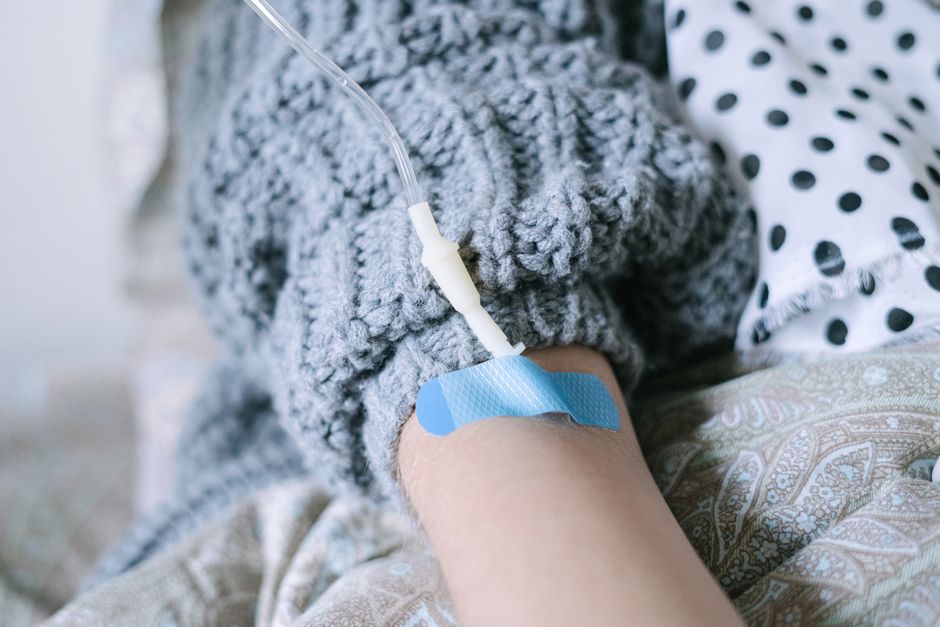
An iron infusion typically raises hemoglobin by about 1 to 2 g/dL over two to four weeks in adults with iron deficiency anemia, though the exact rise depends on body size, how low you started, and whether ongoing blood loss is still happening. Hemoglobin usually begins to climb within one to two weeks after the infusion. It reaches its full response in roughly four to six weeks, because the bone marrow needs time to build new red blood cells.
How Much Does An Iron Infusion Increase Hemoglobin?
A single infusion of 1,000 mg of intravenous iron generally produces a hemoglobin rise of about 1 to 2 g/dL in adults with uncomplicated iron deficiency anemia. This is a rough figure drawn from clinical experience and trial data, not a guarantee. The range is wide because the response depends on several variables at once.
The most important factor is your starting hemoglobin. Someone who begins at 7 g/dL has more room to rise than someone who begins at 11 g/dL. The bone marrow can only respond as fast as it can produce new red blood cells, and it cannot overshoot the normal range.
Body weight matters too. A 1,000 mg dose delivers more iron per kilogram in a 55 kg person than in a 100 kg person. This is why many clinicians calculate the dose using a formula based on body weight and current hemoglobin rather than giving everyone the same amount.
Ongoing blood loss is the third major factor. If you have heavy menstrual bleeding, a bleeding ulcer, or another source of continuing loss, the iron you receive may be partly used to replace what you are losing. Hemoglobin may rise more slowly or plateau.
How Fast Does Hemoglobin Rise After an Iron Infusion?
Hemoglobin usually starts to rise within one to two weeks. The first change you may notice is not in hemoglobin at all but in how you feel. Fatigue and breathlessness often improve before the lab numbers move much, because iron is being delivered to tissues and enzymes before it is fully built into new red blood cells.
The bone marrow responds to iron by increasing red blood cell production. A red blood cell takes about 120 days to complete its life cycle, but new cells are released into circulation continuously. The reticulocyte count, which measures young red blood cells, typically rises within a few days to a week. That is often the earliest lab sign that the infusion is working.
By two to four weeks, most people see a meaningful change in hemoglobin. By four to six weeks, the response is usually complete for that dose. If hemoglobin has not moved at all by four weeks, that is a signal to look for another cause — ongoing bleeding, a second type of anemia, or a problem with absorption or utilization.
What Factors Change How Much Hemoglobin Rises?
Several things can make the response larger or smaller than the typical range. Understanding them helps set realistic expectations.
- Starting hemoglobin level. Lower starting values generally allow a larger absolute rise.
- Body weight. A fixed dose produces a larger effect in a smaller person.
- Ongoing blood loss. Menstrual bleeding, gastrointestinal bleeding, or dialysis-related losses can blunt the response.
- Inflammation or infection. Chronic inflammation raises hepcidin, a hormone that blocks iron absorption and release. This can delay or reduce the response even when iron is given intravenously.
- Other nutrient deficiencies. Low vitamin B12 or folate can limit red blood cell production regardless of iron status.
- Kidney disease. Reduced erythropoietin production can limit how much hemoglobin can rise from iron alone.
- Dose given. A larger total dose generally produces a larger rise, up to the body’s ability to use it.
One point that is often missed: iron infusions treat iron deficiency. They do not treat the cause of the deficiency. If the underlying reason for low iron is not addressed, hemoglobin may improve temporarily and then fall again.




How Does IV Iron Compare to Oral Iron for Raising Hemoglobin?
IV iron generally raises hemoglobin faster than oral iron in people who can tolerate and absorb oral iron. The difference is most obvious in the first few weeks. Oral iron typically produces a rise of about 1 g/dL over four to six weeks in people who absorb it well and take it consistently.
For many people with mild iron deficiency, oral iron works fine and costs far less. IV iron is usually reserved for situations where oral iron is not enough or not tolerated:
- Oral iron is not being absorbed (for example, after certain types of bariatric surgery or with celiac disease).
- Oral iron causes unacceptable gastrointestinal side effects.
- Hemoglobin is very low and needs to rise quickly.
- Ongoing blood loss exceeds what oral iron can replace.
- Inflammatory conditions are blocking oral iron absorption.
Neither route works well if the underlying cause of blood loss continues. That is the factor that most often determines long-term success, regardless of which form of iron is used.
What Should You Expect After an Iron Infusion?
Most people notice improved energy within one to two weeks. Hemoglobin follows behind how you feel. This gap between symptom improvement and lab improvement is normal and worth knowing so you are not discouraged by an early blood test.
Your clinician will usually check hemoglobin about four to six weeks after the infusion. That timing allows the full response to show. Testing too early can underestimate how well the infusion worked.
Some people need more than one infusion. The total dose required depends on how much iron your body needs to rebuild stores and raise hemoglobin. Iron stores, measured by ferritin, often take longer to refill than hemoglobin takes to rise. Hemoglobin may normalize while ferritin is still low, which is why follow-up testing usually includes both.
Side effects are possible. Mild reactions include headache, muscle aches, and nausea. More significant reactions are uncommon but can occur during or shortly after the infusion. This is why infusions are given in a setting where staff can monitor and respond.
When Hemoglobin Does Not Rise as Expected
If hemoglobin has not improved by four to six weeks after an adequate dose, the reason is usually one of a few possibilities. Ongoing blood loss is the most common. A second cause of anemia, such as vitamin B12 or folate deficiency, kidney disease, or a bone marrow problem, is another.
Inflammation can also block the response. When the body is dealing with chronic infection, autoimmune disease, or another inflammatory condition, it may hold onto iron in storage rather than release it for red blood cell production. This is a normal defense mechanism, but it works against the goal of raising hemoglobin.
In these situations, more iron alone may not help. The underlying issue needs to be identified and addressed. This is a conversation to have with your clinician rather than a reason to request a higher dose.
What the Evidence Shows and What It Does Not
Research consistently shows that IV iron raises hemoglobin in iron deficiency anemia. The size of the rise is well documented in clinical trials, though individual results vary. What is less certain is the exact rise for any one person, because so many factors interact.
No study can tell you precisely how much your hemoglobin will rise from a specific infusion. The 1 to 2 g/dL figure is a reasonable general expectation for a typical adult receiving a standard dose, not a prediction for any individual. Your clinician can give you a more specific estimate based on your starting hemoglobin, weight, and clinical situation.
What is clear is that iron infusions work best when the cause of the deficiency is also being treated. Iron replaces what is missing. It does not fix the reason it went missing in the first place.
Frequently Asked Questions
How much does hemoglobin rise after one iron infusion?
A typical adult receiving 1,000 mg of IV iron sees a rise of about 1 to 2 g/dL over four to six weeks. The exact amount depends on starting hemoglobin, body weight, and whether blood loss is ongoing.
How soon after an iron infusion does hemoglobin increase?
Hemoglobin usually begins to rise within one to two weeks and reaches its full response in about four to six weeks. Symptoms often improve before the lab numbers change.
Can hemoglobin rise too much after an iron infusion?
No. The bone marrow regulates red blood cell production and will not raise hemoglobin above the normal range in response to iron alone. If hemoglobin becomes too high, another cause is usually responsible.
Why is my hemoglobin still low after an iron infusion?
The most common reasons are ongoing blood loss, a second type of anemia, or inflammation blocking iron use. If hemoglobin has not improved by four to six weeks, your clinician will look for these causes.
