
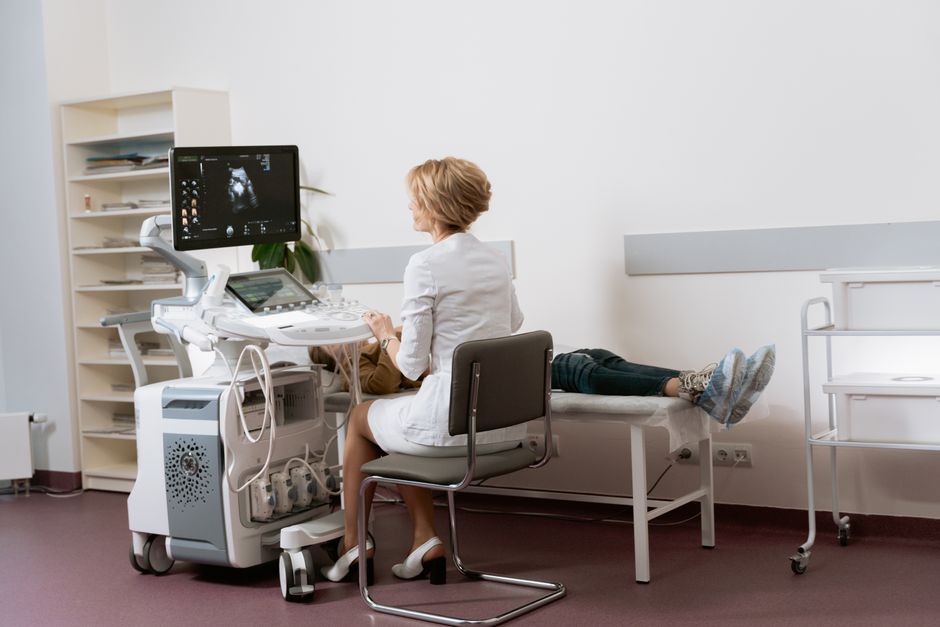
A full body PET scan in the United States typically costs between $3,000 and $6,000, though the final price can range from $1,500 to over $10,000 depending on your location, the facility, and whether you have insurance. This price usually covers the scan itself, the radioactive tracer, and the radiologist’s interpretation, but it rarely includes separate fees for the physician consultation or facility charges. Because these scans are primarily used for cancer staging and monitoring, most people receive them through a hospital or imaging center that bills insurance directly, which significantly changes what you actually pay out of pocket.
What Exactly Is a Full Body PET Scan?
A PET scan, or positron emission tomography, is an imaging test that shows how your tissues and organs are functioning at a cellular level. Unlike an MRI or CT scan that shows structure, a PET scan reveals metabolic activity. Cancer cells typically consume more glucose than normal cells, which makes them light up on the scan.
The “full body” version usually covers the area from the base of the skull to the mid-thigh. Some facilities offer a true whole-body scan that includes the brain and lower legs, but this is less common and often costs more. You should confirm exactly what area the quoted price covers before booking.
Before the scan, you receive an injection of a radioactive sugar called FDG. You wait about 60 minutes for it to distribute through your body, and then the scan itself takes roughly 20 to 40 minutes. The entire appointment usually lasts two to three hours.
How Much Does A Full Body Pet Scan Cost Without Insurance?
If you are paying cash, the price of a full body PET scan varies widely by region and facility type. Hospital-based centers generally charge more than independent imaging centers, often because of higher overhead and facility fees.
Typical cash prices in the United States fall into these ranges:
- Independent imaging center: $1,500 to $3,500
- Hospital outpatient department: $3,000 to $6,000
- Large academic medical center: $4,000 to $8,000 or more
These figures come from published hospital price transparency data and patient billing records. The single largest component of the cost is the FDG tracer itself, which can account for $500 to $1,000 of the total bill. The radiologist’s professional fee adds another $200 to $500.
Many imaging centers offer a discounted “self-pay” rate that is substantially lower than the billed rate. If you are uninsured, always ask for the cash price upfront. You can often negotiate a better rate than the one first quoted.
What Does the Price Include?
When you receive a price quote for a PET scan, ask specifically what it covers. The total cost typically breaks down into three separate charges:
- Technical fee: covers the equipment, the scanning room, the nuclear medicine technologist, and the FDG tracer
- Professional fee: covers the radiologist or nuclear medicine physician who interprets the images
- Facility fee: covers the building, administration, and nursing staff — this is more common at hospitals than independent centers
Some quotes include all three. Others quote only the technical fee and add the professional fee later. This is a common source of surprise medical bills. Ask for a complete, itemized estimate in writing before you schedule.
You may also need a separate physician consultation before the scan, especially if you are self-referring. That appointment is billed separately and is usually not included in the imaging quote.


Does Insurance Cover a Full Body PET Scan?
Medicare and most private insurance plans cover PET scans for specific indications, most commonly cancer staging, treatment response monitoring, and detecting recurrence. Coverage is not automatic — the scan must meet medical necessity criteria, and many insurers require prior authorization.
Medicare covers PET scans for a defined list of cancers, including lung, breast, colorectal, lymphoma, and melanoma, among others. Coverage for other uses, such as cardiac imaging or neurological conditions like Alzheimer’s disease, is more limited and may require additional documentation.
With insurance, your out-of-pocket cost depends on your deductible, copay, and coinsurance. If you have not met your deductible, you may pay the full negotiated rate, which is usually lower than the cash price but still significant. If you have met your deductible, you typically pay coinsurance of 10% to 30% of the allowed amount.
Before scheduling, call your insurance company and ask for the exact coverage details. Ask whether prior authorization is required, which facilities are in-network, and what your estimated out-of-pocket cost will be. Get this in writing or at minimum record the date and name of the representative you spoke with.
Why Is a PET Scan So Expensive?
Several factors drive the high cost. The FDG tracer is produced in a cyclotron, a particle accelerator that is expensive to build and operate. Because the tracer has a short half-life — roughly 110 minutes — it must be produced nearby and delivered quickly. This limits supply and keeps costs high.
The PET scanner itself is a sophisticated piece of equipment that can cost $2 million to $5 million to purchase. Most modern scanners combine PET with CT in a single machine, adding to the price. Ongoing maintenance, software updates, and staffing all contribute to the per-scan cost.
Facilities also carry significant regulatory and safety costs. Handling radioactive materials requires specialized licensing, training, and waste disposal procedures. These compliance costs are passed on to patients.
Finally, the interpretation requires a physician with specialized training in nuclear medicine. This expertise commands a professional fee that is separate from the technical cost of running the machine.
Are There Cheaper Alternatives or Ways to Reduce the Cost?
The most effective way to reduce your cost is to shop around. Prices for the same scan can vary by thousands of dollars within the same city. Call multiple facilities, ask for their self-pay price, and compare.
Independent imaging centers are almost always cheaper than hospitals. A study published in the journal Radiology found that hospital-based imaging prices are consistently higher than independent centers for the same procedures. If your insurance allows it, choosing an independent center can save you a substantial amount.
Some facilities offer payment plans or financial assistance programs. Hospitals are often required to provide charity care to qualifying patients. Ask about these programs before assuming you must pay the full amount.
If a PET scan has been recommended but cost is a barrier, discuss alternatives with your physician. In some clinical situations, a CT scan with contrast or an MRI may provide adequate information at a lower cost. This is not always possible — PET scans provide unique metabolic information that other imaging cannot — but it is worth the conversation. Never skip a medically necessary scan without discussing it with your doctor first.
Be cautious of any facility offering a PET scan at a suspiciously low price, such as under $1,000. This may indicate that the professional reading fee is not included, the facility is not accredited, or the equipment is outdated. Verify that the facility is accredited by the American College of Radiology or the Intersocietal Accreditation Commission.
What About a Full Body PET Scan for Screening?
Some private clinics market full body PET scans to healthy people as a “cancer screening” or “preventive health” service. These scans are not recommended by major medical organizations for people without symptoms or known risk factors.
The evidence does not show that whole-body screening PET scans reduce cancer deaths. They also produce false positives — findings that look suspicious but turn out to be benign — which lead to unnecessary biopsies, anxiety, and additional costs. Some research suggests that up to one in five screening scans reveals an incidental finding that requires follow-up, and the vast majority of these are harmless.
If you are considering a screening PET scan for peace of mind, understand that it may create more worry than it resolves. The FDA has not approved PET scans for whole-body screening in asymptomatic people. No major medical society endorses this practice.
If you have a specific concern, such as a family history of cancer, talk to your doctor about evidence-based screening options. For most cancers, that means tests like colonoscopy, mammography, or low-dose CT for lung cancer in high-risk smokers — not a full body PET scan.
Frequently Asked Questions
How much does a full body PET scan cost out of pocket?
The cash price typically ranges from $1,500 to $6,000 depending on the facility and location. Independent imaging centers are usually cheaper than hospitals.
Does insurance cover full body PET scans?
Medicare and most private insurers cover PET scans for approved cancer indications with prior authorization. Your out-of-pocket cost depends on your deductible and coinsurance.
Why is a PET scan more expensive than a CT scan?
The radioactive tracer FDG is expensive to produce and must be used within hours of manufacturing. The PET scanner itself also costs several million dollars to purchase and maintain.
Is a full body PET scan worth it for cancer screening?
Major medical organizations do not recommend PET scans for screening healthy people without symptoms. The scans produce false positives that lead to unnecessary procedures and anxiety.
