
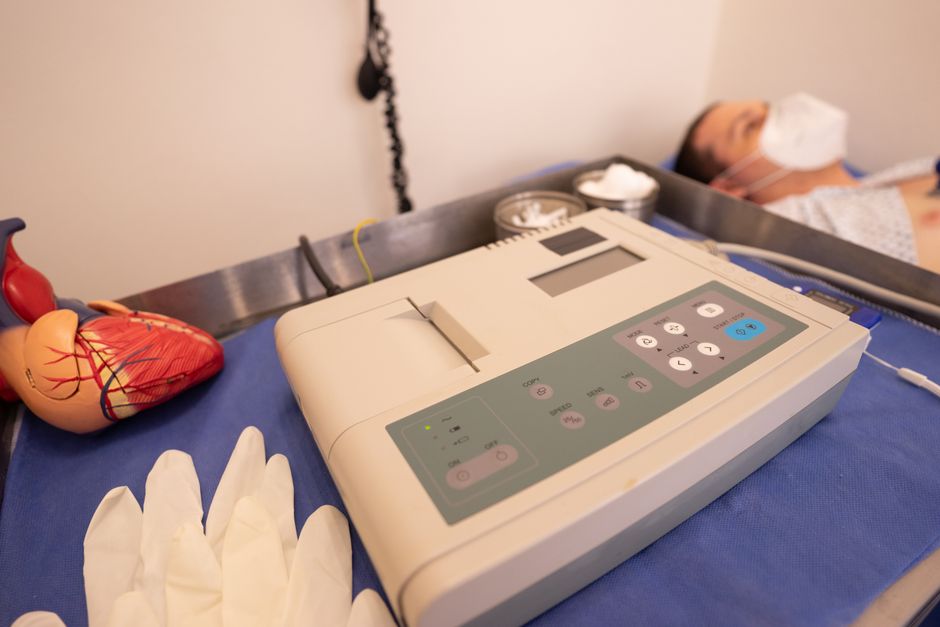
A cardiac MRI is one of the most detailed imaging tests available for your heart. It is also one of the most expensive. In the United States, you can expect a real price range of roughly $1,200 to $4,000 for the scan itself, but the total bill often lands between $2,500 and $7,000 when you factor in the facility fee, the radiologist’s reading fee, and the IV contrast material. If you pay cash at a standalone imaging center, you might find prices closer to $600 to $1,200. If you have it done at a hospital, the price can easily exceed $7,000.
Why Is a Cardiac MRI So Expensive?
The equipment is the biggest driver of the cost. A cardiac MRI requires a high-field magnet, usually 1.5 Tesla or 3 Tesla. These machines cost millions of dollars to purchase and maintain. The software used to image a beating heart is specialized and expensive to license.
The staff also matters. A cardiac MRI is not a simple point-and-shoot scan. It requires a technician trained in cardiac imaging and a cardiologist or radiologist who specializes in reading these studies. You are paying for their expertise, not just the machine time.
Finally, the scan itself takes time. A typical cardiac MRI takes 45 to 90 minutes. That is significantly longer than a standard MRI of a knee or a brain, which might take 20 to 30 minutes. Longer scan time means less patient turnover and higher cost per scan.
What Exactly Is Included in the Price?
When you get a price quote, ask what it covers. The “technical fee” covers the use of the machine, the facility, and the technician’s time. The “professional fee” covers the doctor who interprets the images. These are often billed separately.
Most cardiac MRIs use contrast dye, usually gadolinium. This is injected through an IV to help highlight blood flow and tissue inflammation. The contrast agent adds a separate charge, often between $100 and $500.
Some facilities bundle these costs into one quote. Others do not. A quote of $1,500 might sound reasonable until you receive a second bill from the radiologist for $400 and a third bill for the contrast material.
Hospital vs. Freestanding Imaging Center
Where you have the scan done changes the price dramatically. Hospitals charge more because they have higher overhead costs. They also charge a facility fee, which is a separate charge added to your bill simply for using the hospital’s building and services. This fee can be several thousand dollars on its own.
Freestanding imaging centers are typically much cheaper. They have lower overhead and often offer cash-pay discounts. Many centers advertise a self-pay price that includes everything: the scan, the contrast, and the interpretation.
You can get a cardiac MRI at a freestanding center if you have a referral. The quality of the images is generally comparable. The main advantage of a hospital is that it is better equipped to handle emergencies if you have a reaction to the contrast or if your heart condition becomes unstable during the scan.


How Much Does Insurance Affect the Real Price?
Your insurance plan determines the exact number you pay. If you have not met your deductible, you may pay the full negotiated rate out of pocket. If you have met your deductible, you pay coinsurance, which is typically 10% to 30% of the negotiated rate.
Insurance companies negotiate rates with hospitals and imaging centers. These negotiated rates are almost always lower than the “sticker price” that an uninsured person would be quoted. However, they are usually higher than the cash-pay price offered by freestanding centers.
Here is a key point: the cash price is often lower than what your insurance is billed. Many imaging centers publish cash prices that are significantly below their insurance rates. If you have a high-deductible health plan, it may be cheaper to pay cash than to file an insurance claim.
What Do Real Cash Prices Look Like?
Cash prices vary by region, but the general pattern is consistent. A freestanding imaging center in a mid-sized city might quote $750 for a cardiac MRI with contrast. The same scan at a hospital across the street might be quoted at $3,500.
Some centers offer even lower prices. In competitive markets, especially in larger cities, cash prices for a cardiac MRI can drop to around $600. These prices usually include the technical fee, the professional fee, and the contrast.
You can find these cash prices by calling imaging centers directly and asking for their self-pay rate. Many centers now publish their cash prices online. Some states require hospitals to publish their standard charges, though those lists can be difficult to interpret.
Is a Cardiac MRI Worth the Cost?
A cardiac MRI is the gold standard for measuring heart function and detecting scar tissue. It is the best test for evaluating conditions like myocarditis, cardiomyopathy, and congenital heart defects. It does not use ionizing radiation, which makes it safer than a CT scan for repeated imaging.
However, it is not the first test most doctors order. An echocardiogram is cheaper, faster, and often sufficient for basic heart function. A cardiac MRI is usually ordered when the echocardiogram is inconclusive or when your doctor needs more detailed information about tissue structure.
If your doctor recommends a cardiac MRI, the cost is generally justified by the information it provides. The test can change your treatment plan. It can determine whether you need a biopsy, whether a medication is working, or whether you are at risk for dangerous arrhythmias.
How to Reduce the Cost of a Cardiac MRI
Start by asking your doctor’s office for a list of approved imaging centers. Then call each one and ask for the cash price. Be specific: ask whether the quote includes the radiologist’s reading fee and the contrast material.
If you have insurance, ask the imaging center to run a “pre-authorization” or a benefits check. This tells you exactly what your insurance will cover and what your out-of-pocket cost will be. Do this before scheduling the scan.
If you are uninsured or have a high deductible, ask about financial assistance. Many hospitals have charity care programs that can reduce or eliminate your bill based on your income. Freestanding centers often offer discounts for upfront payment.
You can also ask your doctor if a cardiac MRI is truly necessary right now. In some cases, a stress echocardiogram or a cardiac CT can provide the information needed at a lower cost. This is not a decision to make on your own, but it is a reasonable question to ask.
Does Location Change the Price?
Yes, but not always in the way you might expect. Major cities on the coasts tend to have higher prices, but they also have more competition among imaging centers. That competition can drive cash prices down.
Rural areas often have fewer options. If there is only one imaging center within 100 miles, it can charge more. You may also have to travel to a larger city to get a cardiac MRI at all, since not every hospital has the specialized equipment and expertise.
Some patients find it cheaper to travel. If you live in a high-cost area, a cash-pay cardiac MRI in a nearby state could save you $1,000 or more. This is more common than you might think, though it requires coordinating care with your referring doctor.
Frequently Asked Questions
Is the radiologist’s fee included in the quoted price?
Not always. Ask directly whether the quote includes the professional reading fee. Many cash prices do include it, but hospital quotes often bill it separately.
Can I get a cardiac MRI without a referral?
Most imaging centers require a doctor’s referral for a cardiac MRI. You cannot schedule one on your own because the test is complex and the results need to be interpreted in the context of your medical history.
Does insurance cover a cardiac MRI?
Insurance typically covers a cardiac MRI when it is medically necessary. Your out-of-pocket cost depends on your deductible, coinsurance, and whether the imaging center is in your network.
Is a cardiac MRI painful?
No. The scan itself is painless, but you must lie still inside a narrow tube for up to 90 minutes. You will hear loud knocking noises, and you will need an IV for the contrast dye.
