
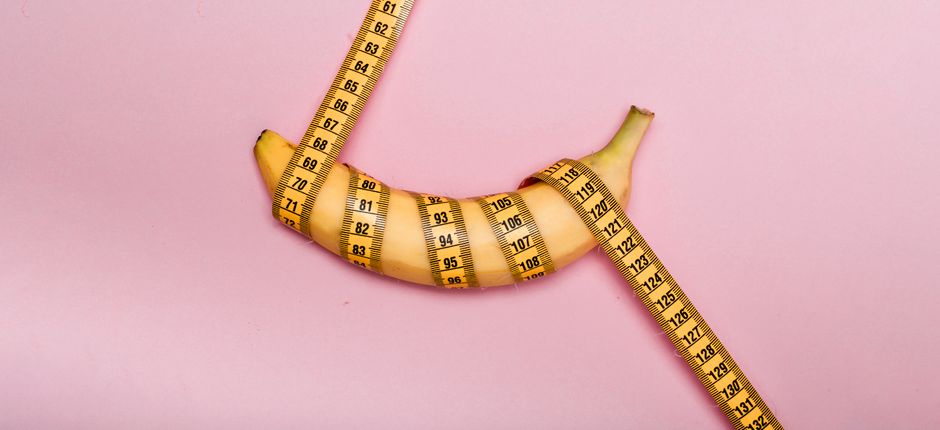
A medium banana has about 105 calories. That number is for a banana about 7 to 8 inches long. Smaller bananas have fewer calories, and larger ones have more. The calorie count changes as the banana ripens, but not in the way many people expect.
How Many Calories Are in a Banana by Size?
Bananas come in many sizes, so the calorie count varies. The United States Department of Agriculture (USDA) provides standard measurements for different banana sizes.
Here is the breakdown based on length:
- Extra small (under 6 inches): about 72 calories
- Small (6 to 7 inches): about 90 calories
- Medium (7 to 8 inches): about 105 calories
- Large (8 to 9 inches): about 121 calories
- Extra large (over 9 inches): about 135 calories
Most people eat a medium banana. If you are weighing your food instead of measuring length, one cup of sliced banana has about 134 calories. A whole peeled medium banana weighs roughly 118 grams.
These numbers apply to raw bananas only. Cooking changes the calorie density. Frying a banana adds fat and calories. Baking it into bread adds sugar, flour, and oil. A plain raw banana is the baseline.
Do Riper Bananas Have More Calories?
No. The calorie count stays roughly the same as a banana ripens. The banana does not gain or lose energy as it turns from green to yellow to spotted.
What changes is the type of sugar inside. A green banana contains mostly resistant starch. As the banana ripens, enzymes convert that starch into simple sugars like glucose, fructose, and sucrose. The total carbohydrate content remains about the same. The sugar structure changes, not the calorie total.
This matters for people managing blood sugar. Riper bananas have a higher glycemic index because the sugars are absorbed faster. A green banana releases glucose more slowly. But the calorie count on your tracking app should not change based on ripeness.
One exception: if a banana shrivels and dries out, water loss concentrates the calories by weight. A dried banana slice has more calories per gram than a fresh slice. But a fresh banana at any ripeness stage stays close to 105 calories for medium size.
What Nutrients Come With Those Calories?
Banana calories are not empty calories. A medium banana provides meaningful nutrition beyond energy.
Here is what a medium banana contains:
- Carbohydrates: about 27 grams
- Fiber: about 3 grams
- Sugar: about 14 grams
- Protein: about 1 gram
- Fat: less than 1 gram
- Potassium: about 422 milligrams
- Vitamin B6: about 0.4 milligrams
- Vitamin C: about 10 milligrams
- Magnesium: about 32 milligrams
The potassium content is what most people know about bananas. A medium banana provides roughly 9 percent of the daily recommended potassium intake for an adult. Potassium supports normal blood pressure and muscle function.
Vitamin B6 is less discussed but important. A medium banana covers about 25 percent of your daily B6 needs. This vitamin helps the body produce neurotransmitters and red blood cells.
Bananas are also one of the few fruits that provide a meaningful amount of resistant starch when green. Resistant starch acts like fiber. It feeds beneficial gut bacteria and may improve digestive health.





How Do Banana Calories Compare to Other Fruits?
Bananas are higher in calories than many other fruits. That is because they contain more carbohydrates and less water.
For comparison, one medium apple has about 95 calories. One cup of strawberries has about 49 calories. One cup of watermelon chunks has about 46 calories. A medium orange has about 62 calories.
Bananas are not a problem because of their calorie count. They are a whole food with fiber and nutrients. The higher calorie density simply means you get more energy per serving than you would from berries or melon.
For someone trying to lose weight, bananas can still fit into the plan. The fiber content helps with fullness. The key is portion awareness. Eating three large bananas adds over 350 calories. Eating one medium banana adds about 105.
Some research suggests that whole fruits, including bananas, are associated with better weight management compared to fruit juices. The fiber and chewing effort make whole fruit more satiating than drinking the same calories.
Do Banana Calories Change After Exercise?
No. The banana itself does not change. But how your body uses those calories does change based on activity.
Athletes often eat bananas as a pre-workout or post-workout snack. The carbohydrates provide quick energy. The potassium helps replace electrolytes lost through sweat. The fruit is easy to digest and does not cause stomach upset for most people.
Research has compared bananas to sports drinks for fueling exercise. Some studies suggest bananas perform similarly to commercial sports beverages for maintaining performance during moderate to long exercise sessions. Bananas also provide antioxidants that sports drinks do not contain.
For everyday exercisers, one banana before or after a workout is a reasonable choice. It provides about 27 grams of carbohydrate, which is enough for a light to moderate session. For intense endurance exercise lasting over an hour, additional carbohydrate sources may be needed.
The timing matters less than the total daily intake. Your body does not require a banana immediately after exercise. Eating it within a few hours works fine for most people.
Are Banana Calories Different in Smoothies?
The banana calories stay the same. But the total calories in your drink change based on what else goes in.
A smoothie with one banana, milk, yogurt, and peanut butter can easily reach 400 to 600 calories. The banana contributes about 105 of those calories. The rest comes from the other ingredients.
Many people underestimate smoothie calories because drinks feel lighter than solid food. Liquid calories do not trigger the same fullness signals as chewing. You can consume a large number of calories in a smoothie without feeling as satisfied as you would eating the same ingredients whole.
If you are tracking calories, measure every ingredient in your smoothie. The banana is easy to count. The nut butter, honey, and juice are where hidden calories accumulate.
One practical tip: use the banana as the base and keep other add-ins modest. A banana, unsweetened milk, and ice makes a filling drink around 150 to 200 calories.
Do Green Bananas Have Fewer Digestible Calories?
This is a nuance worth understanding. Green bananas contain more resistant starch. Resistant starch is not fully digested in the small intestine. It passes to the colon where bacteria ferment it.
Because resistant starch is not completely absorbed, the body extracts slightly fewer calories from a green banana than from a fully ripe one. The difference is small. We are talking about a few calories, not a significant amount.
Some commercial banana flour products make larger claims about calorie reduction. Those products are processed differently and are not the same as eating a fresh green banana. The evidence for significant calorie differences in fresh fruit is modest.
For practical purposes, count a green banana the same as a ripe one. The calorie difference is too small to matter for weight management. The digestive benefits of resistant starch are real but separate from calorie counting.
How Much Does A Banana Have Calories in a Daily Diet?
One banana fits easily into most daily calorie targets. For a standard 2,000-calorie diet, one medium banana provides about 5 percent of total daily energy.
Bananas are not a low-calorie food, but they are not a high-calorie food either. They sit in the middle range. Their nutrient density justifies the calories for most people.
If you eat multiple bananas daily, count them like any other food. Two bananas add about 210 calories. Three add about 315. That is manageable for active people but could matter for someone on a strict calorie deficit.
Bananas are one of the most affordable fruits in the United States. They are available year-round. They require no preparation. These practical factors make them a reasonable staple for many households.
Frequently Asked Questions
How many calories are in one medium banana?
One medium banana about 7 to 8 inches long has approximately 105 calories. This is the standard USDA measurement for a medium raw banana.
Does a ripe banana have more calories than a green one?
No, the calorie count stays roughly the same as a banana ripens. The starch converts to sugar, but the total carbohydrate and calorie content remains similar.
Are bananas fattening for weight loss?
Bananas are not inherently fattening and can fit into a weight loss diet at about 105 calories each. Their fiber content helps with fullness, but portion awareness still matters.
How many calories are in a small banana?
A small banana measuring 6 to 7 inches has about 90 calories. An extra small banana under 6 inches has about 72 calories.
