
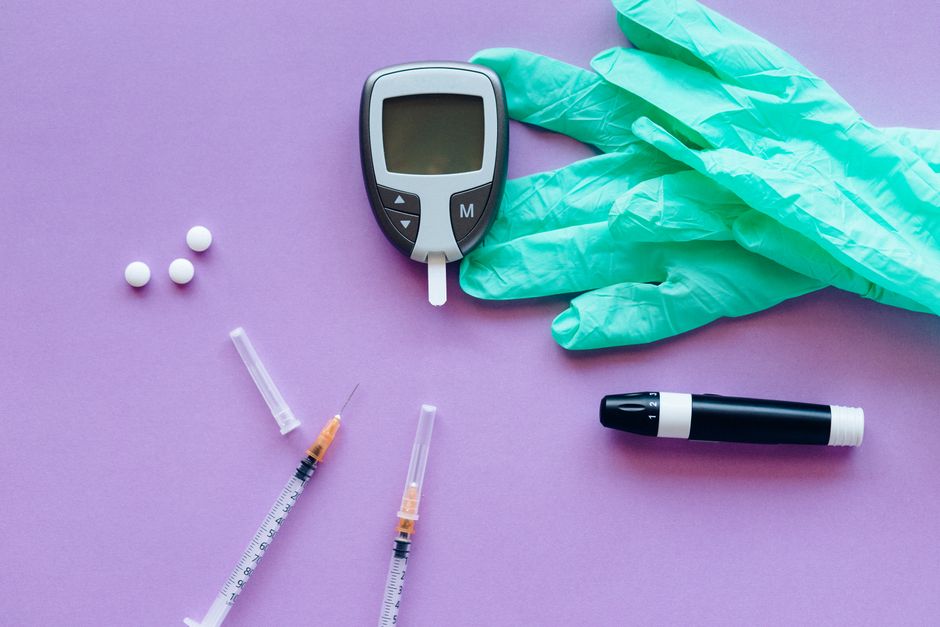
A single 4-gram glucose tablet typically raises blood sugar by about 15 to 20 mg/dL in a person with diabetes who is having a low. That estimate comes from the standard “rule of 15” used to treat hypoglycemia — 15 grams of fast-acting carbohydrate to raise glucose about 50 mg/dL, which works out to roughly 15 to 20 mg/dL per 4-gram tablet. The exact rise varies from person to person based on body weight, how low the starting level is, and whether food or insulin is on board.
Glucose tablets are one of the most predictable ways to correct a low. They contain pure dextrose, which absorbs quickly into the bloodstream without needing much digestion. That speed is the point. When blood sugar drops too far, you want a fast, measured correction — not a candy bar or a glass of juice where the dose is harder to control.
How Much Does 1 Glucose Tablet Raise Blood Sugar?
One standard 4-gram glucose tablet raises blood sugar by roughly 15 to 20 mg/dL. This is a working estimate, not a guarantee. The number comes from the math behind the rule of 15, which has been taught in diabetes education for decades.
The rule of 15 says: when blood sugar falls below 70 mg/dL, take 15 grams of fast-acting carbohydrate, wait 15 minutes, and recheck. If it is still below 70 mg/dL, repeat. Since 15 grams divided by 4 grams per tablet is about 3.75 tablets, one tablet delivers roughly a quarter of that 50 mg/dL correction.
That math assumes an average response. Real people vary. A smaller person may see a larger jump from the same tablet. A larger person may see less. Someone with a lot of active insulin in their system may see the rise blunted or temporary. This is why rechecking after 15 minutes matters more than trusting any single number.
Why Glucose Tablets Are Measured in Grams, Not Milligrams
The 4-gram figure on a glucose tablet label refers to the amount of carbohydrate, not the dose of a drug. Glucose is a nutrient, so it is measured by weight of carbohydrate the way food is. That is different from how medications are dosed.
Most glucose tablets sold in the US contain 4 grams of carbohydrate each. Some brands make 3-gram or 5-gram versions, so the label matters. A 4-gram tablet is the common standard, and the estimates in this article assume that size.
This is a small but useful distinction. People sometimes assume a bigger or “extra strength” tablet delivers more glucose per gram. It does not. What changes the correction is total grams of carbohydrate consumed, not the size of the pill or how many you swallow at once.
What Affects How Much Your Blood Sugar Rises
The same tablet can produce a different rise in two different people, or even in the same person on different days. Several factors drive that variation.
- Body weight and size. A given amount of glucose is diluted across a larger or smaller volume of blood and tissue. Smaller bodies tend to see a larger rise per gram.
- Starting blood sugar. The lower you start, the more room there is to climb. A tablet taken at 60 mg/dL will usually produce a bigger visible jump than one taken at 68 mg/dL.
- Insulin on board. If rapid-acting insulin is still active, it keeps pushing glucose down while the tablet pushes it up. The net rise can be smaller, or the low can return.
- Physical activity. Exercise increases glucose uptake into muscle. A tablet taken during or right after activity may raise blood sugar less than expected.
- Rate of eating and chewing. Glucose tablets work fastest when chewed and swallowed rather than sucked slowly. Chewing speeds absorption.
- Other food in the stomach. A tablet taken on a full stomach absorbs more slowly than one taken on an empty one.
None of these factors change the general estimate much on their own. Together they explain why the rule of 15 relies on rechecking rather than assuming the correction worked.
How Fast Do Glucose Tablets Work?
Glucose tablets start raising blood sugar within about 10 to 15 minutes. Peak effect usually arrives somewhere in the 15-to-20-minute range for most people. This is faster than most foods because dextrose needs little digestion.
That speed is why the rule of 15 uses a 15-minute wait before rechecking. Checking too soon can show a number that has not finished climbing, which leads people to take more carbohydrate than they need and overshoot into high blood sugar.
If blood sugar is dangerously low and the person cannot safely swallow, glucose tablets are not the right approach. In that situation, emergency glucagon is the standard treatment, and emergency services should be called. Tablets require a person who is awake and able to chew and swallow safely.
Glucose Tablets vs. Other Fast Carbs
Glucose tablets are not the only way to treat a low, but they are among the most consistent. The table below compares common options for a 15-gram correction.
| Option | Approximate amount for 15 g carb | Notes |
|---|---|---|
| Glucose tablets (4 g each) | About 4 tablets | Measured dose, fast absorption, portable |
| Glucose gel | One tube (varies by brand) | Fast, but dose depends on label |
| Fruit juice | About 4 ounces (half cup) | Fast, but volume and sugar content vary |
| Regular soda | About 4 ounces (half cup) | Fast, but easy to overdrink |
| Candy | Varies widely | Fat content can slow absorption |
The main advantage of tablets is control. You know exactly how many grams you took. With juice or soda, it is easy to drink more than intended, especially when you feel shaky and unwell. Overcorrecting a low is a common cause of rebound high blood sugar.
Foods that contain fat, like chocolate, absorb more slowly and are a poorer choice for treating an active low. They can still raise blood sugar, but not fast enough to be reliable in the moment.
What to Do After Taking a Glucose Tablet
Wait 15 minutes and recheck your blood sugar. If it is still below 70 mg/dL, take another 15 grams of fast-acting carbohydrate and recheck again in 15 minutes. This repeat-and-recheck cycle is the core of the rule of 15.
Once blood sugar is back above 70 mg/dL, many clinicians recommend eating a small snack or meal if your next meal is more than an hour away. This helps prevent the low from returning, especially if insulin is still active. The exact approach should come from your own care team, since it depends on your medications and daily pattern.
It is also worth noting what not to do. Do not take a large handful of tablets at once out of panic. Do not skip the recheck because you feel better. Symptoms often improve before blood sugar has fully recovered, and feeling better is not proof the number is safe.
When One Tablet Is Not Enough
One tablet is rarely the full treatment for a low. It is a fraction of the standard 15-gram correction. Treating a low with a single tablet and stopping there often leaves blood sugar below 70 mg/dL.
The one-tablet approach can make sense in specific situations — a mild dip just under 70 mg/dL, a small person, or a low caught very early. But for a clear hypoglycemic episode, the standard is 15 grams, which is about four tablets. Your diabetes care team can help you set a plan that fits your body and your medications.
If lows happen often, or if you need repeated corrections, that is worth raising with your clinician. Frequent hypoglycemia can point to a need to adjust medication, meal timing, or activity patterns. It is not something to manage by simply carrying more tablets.
Frequently Asked Questions
How much does one 4-gram glucose tablet raise blood sugar?
About 15 to 20 mg/dL on average. The exact rise depends on body size, starting blood sugar, and how much insulin is active.
How many glucose tablets should I take for a low?
The standard rule of 15 calls for 15 grams of fast-acting carbohydrate, which is about four 4-gram tablets. Recheck after 15 minutes and repeat if blood sugar is still below 70 mg/dL.
How long does it take for a glucose tablet to work?
Blood sugar usually starts rising within 10 to 15 minutes. Wait the full 15 minutes before rechecking so you see the true effect.
Can one glucose tablet be enough to treat a low?
Sometimes, if the drop is mild and caught early. For a clear low below 70 mg/dL, one tablet is usually not enough and the full 15-gram correction is the standard approach.
