
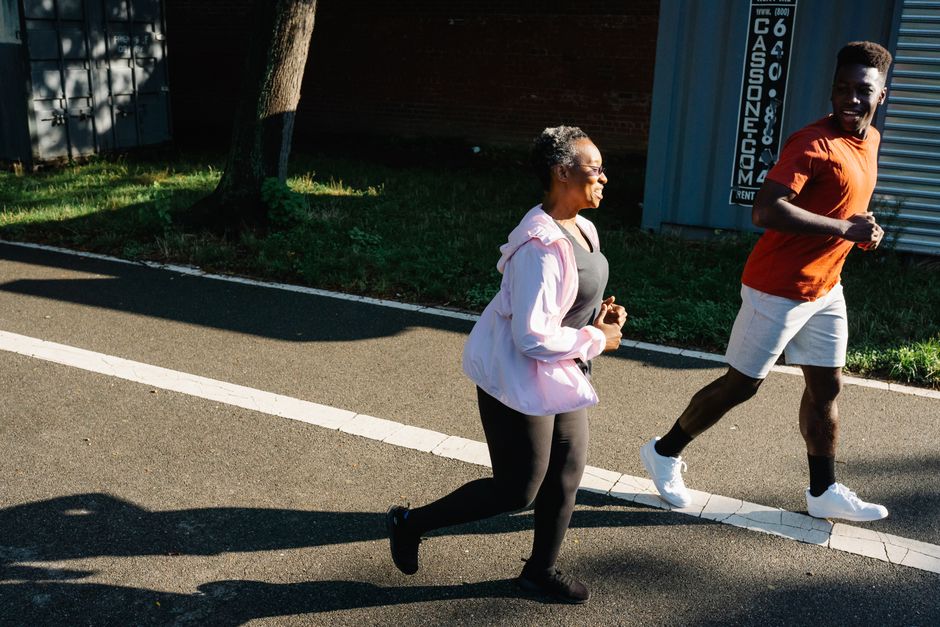
Walking is one of the most accessible forms of exercise, but it only leads to weight loss if you do enough of it consistently. To lose weight by walking, most adults need to aim for at least 150 to 300 minutes of moderate-intensity walking per week, which breaks down to roughly 30 to 60 minutes most days of the week. This level of activity burns enough calories to create a meaningful calorie deficit when combined with a healthy diet, but the exact amount you need depends on your weight, walking speed, and what you eat.
How Many Calories Does Walking Actually Burn?
Walking burns calories, but the number is smaller than most people expect. A person weighing 160 pounds burns roughly 80 to 100 calories per mile walked at a moderate pace. A person weighing 200 pounds burns closer to 110 to 130 calories per mile.
This means a 30-minute walk at a brisk pace covers about 1.5 to 2 miles and burns roughly 120 to 200 calories for most adults. To lose one pound of body fat, you need a calorie deficit of about 3,500 calories. That translates to walking roughly 30 to 40 miles over the course of a week to lose one pound purely from walking.
That sounds like a lot, and it is. Walking alone is a slow way to lose weight. The math works better when walking is paired with dietary changes that reduce daily calorie intake by 300 to 500 calories.
How Much Do You Need To Walk To Lose Weight?
The most practical answer for weight loss is 30 to 60 minutes of brisk walking per day, most days of the week. That puts you in the range of 150 to 300 minutes per week, which aligns with public health guidelines for physical activity and weight management.
For people who are significantly overweight, the higher end of that range is more effective. Research consistently shows that 200 to 300 minutes per week — about 40 to 60 minutes per day — produces more meaningful weight loss than the minimum 150 minutes. The extra time matters because it creates a larger weekly calorie deficit.
Walking speed matters too. A brisk pace is roughly 3 to 4 miles per hour, which is fast enough that you breathe harder but can still hold a conversation. Slow, casual walking burns fewer calories per minute and requires more total time to achieve the same result.
Why Walking Speed and Intensity Change the Results
Walking at a faster pace burns more calories per minute, but the difference is not as large as people assume. The bigger factor is total distance. Walking one mile burns roughly the same number of calories whether you walk it in 15 minutes or 20 minutes. The faster walker finishes sooner, but the calorie burn for that mile is nearly identical.
That said, intensity still matters for practical reasons. A brisk pace raises your heart rate and keeps you in a moderate-intensity zone. This improves cardiovascular fitness and allows you to cover more distance in less time. If you only have 30 minutes to walk, a brisk pace lets you get more done.
Interval walking is another option. Alternating between a fast pace and a moderate recovery pace burns more calories per minute than steady walking. Some studies suggest this approach also improves blood sugar control and cardiovascular fitness more than steady-paced walking at the same total distance.





What the Research Shows About Walking and Weight Loss
Research on walking for weight loss shows consistent results: walking works, but the effect is modest without dietary changes. Studies that combine walking with calorie restriction produce significantly more weight loss than walking alone.
A common finding across multiple studies is that people who walk 150 minutes per week at moderate intensity may lose a small amount of weight — often 2 to 4 pounds over several months — without changing their diet. People who walk 200 to 300 minutes per week and reduce their calorie intake typically lose more, often 5 to 10 percent of their starting body weight over six months to a year.
Some research suggests that walking after meals is particularly helpful for blood sugar control. A 10 to 15 minute walk after eating can blunt the post-meal blood sugar spike, which may help with long-term weight management even if the immediate calorie burn is small.
How to Structure Your Walking Plan for Weight Loss
A realistic walking plan for weight loss starts with where you are now. If you are not currently exercising, begin with 15 to 20 minutes of walking per day at a comfortable pace. Add 5 minutes each week until you reach 30 to 45 minutes per session.
Here is a practical weekly structure that works for most people:
- Daily minimum: 30 minutes of brisk walking, 5 days per week
- Weight loss target: 45 to 60 minutes of brisk walking, 5 to 6 days per week
- Step count guide: 8,000 to 10,000 steps per day is a reasonable goal for weight management
- Add hills or stairs: Increases intensity without adding time
- Break it up: Three 10-minute walks burn nearly the same calories as one 30-minute walk
Consistency matters more than perfection. A 30-minute walk every day produces better results than a two-hour walk once a week. Daily movement keeps your metabolism active and builds a habit that is easier to maintain.
Why Walking Alone Often Fails Without Diet Changes
Walking burns calories, but the average person can out-eat a long walk in minutes. A single slice of pizza contains roughly 250 to 300 calories. Replacing that with a smaller meal or a salad saves more calories than a 30-minute walk burns.
The evidence is clear: exercise without dietary changes produces minimal weight loss. A well-known finding in obesity research is that people who exercise but do not change their diet often lose only 2 to 3 pounds over several months. Some studies show no significant weight loss at all from exercise alone.
This is not a reason to skip walking. Walking improves cardiovascular health, blood pressure, mood, and insulin sensitivity regardless of weight change. But if your goal is weight loss, the kitchen matters more than the sidewalk.
How Many Steps Per Day for Weight Loss?
The 10,000 steps per day target is a marketing origin story, not a scientific one. The number came from a Japanese pedometer campaign in the 1960s, not from clinical research. But subsequent studies have found that 8,000 to 10,000 steps per day is associated with lower body weight and better metabolic health.
For weight loss specifically, research suggests that increasing from a sedentary baseline of 3,000 to 5,000 steps per day to 8,000 to 10,000 steps per day produces measurable improvements. Going beyond 10,000 steps per day does not appear to provide additional weight loss benefits for most people.
Step count is a useful tracking tool because it captures all daily movement, not just dedicated walking sessions. A person who walks 8,000 steps per day through daily activities and short walks is likely getting more total movement than someone who does a 30-minute walk but sits for the rest of the day.
Does Walking Speed or Distance Matter More for Fat Loss?
Distance matters more than speed for total calorie burn. Walking two miles at a slow pace burns nearly the same calories as walking two miles at a fast pace. The difference is time, not energy expenditure.
However, speed matters for efficiency and fitness. A brisk pace improves cardiovascular conditioning, which allows you to walk longer and cover more distance over time. Faster walking also recruits more muscle fibers and may preserve lean muscle mass better than slow walking.
The practical takeaway: walk as far as you reasonably can at a pace that raises your heart rate. If you have limited time, walk faster. If you have limited fitness, walk slower but focus on increasing total distance each week.
Common Mistakes That Slow Weight Loss Progress
Several common errors undermine walking-based weight loss efforts. The first is overestimating calorie burn. People often assume a 30-minute walk burns 300 to 400 calories when the real number is closer to 150 to 200. This leads to eating back the calories and erasing the deficit.
The second mistake is inconsistent intensity. A walk that is too slow to raise your heart rate burns fewer calories and provides less cardiovascular benefit. A walk that is too fast to maintain conversation is not sustainable for 45 to 60 minutes. The sweet spot is a pace where you can speak in full sentences but feel slightly breathless.
The third mistake is ignoring diet entirely. Walking 45 minutes per day burns roughly 250 calories. A single sugary drink or a large restaurant meal can easily add 500 to 1,000 calories. No amount of walking compensates for a diet that consistently exceeds your calorie needs.
Frequently Asked Questions
How long do I need to walk each day to lose weight?
Most adults need 30 to 60 minutes of brisk walking per day, most days of the week, to lose weight. The higher end of that range produces more consistent results.
Can I lose belly fat by walking?
Walking burns overall body fat, including abdominal fat, but you cannot target fat loss from one specific area. Consistent walking combined with a calorie deficit will reduce belly fat over time.
Is walking 30 minutes a day enough to lose weight?
Thirty minutes of brisk walking per day burns roughly 150 to 200 calories and can support weight loss when combined with dietary changes. Walking alone at this amount usually produces only modest weight loss.
How many steps per day should I aim for to lose weight?
Research suggests 8,000 to 10,000 steps per day is a reasonable target for weight management. Going beyond 10,000 steps does not appear to provide significant additional weight loss benefits for most people.
