
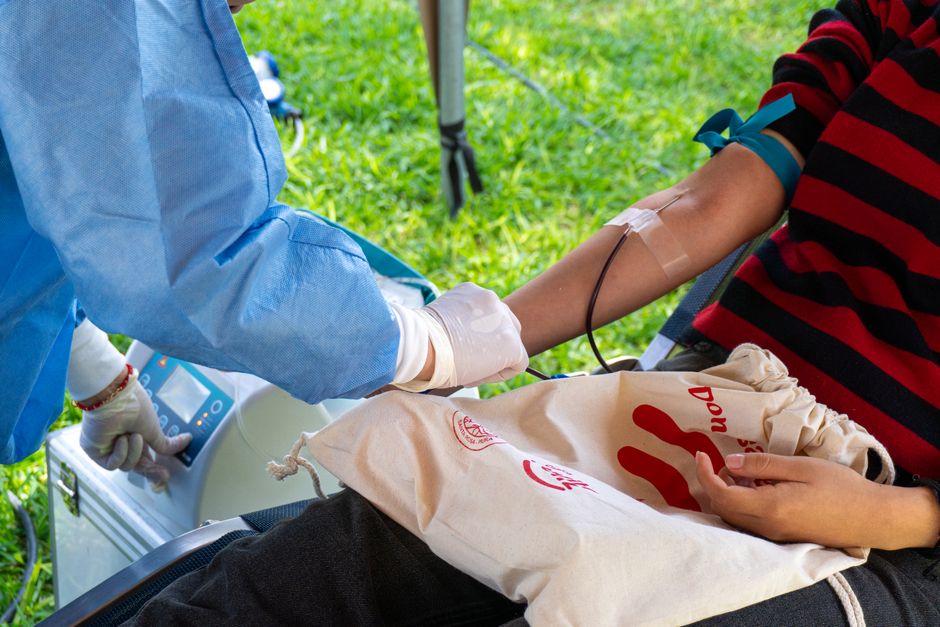
Plasma donation pays roughly $30 to $70 per donation at most US centers, with new donors often earning bonuses that push the total higher for their first month. Unlike whole blood donation, which is almost always unpaid, plasma donation is a paid procedure at licensed collection centers across the country. What you actually take home depends on the center, your weight, the donation type, and how often you donate.
How Much Do You Get Paid For Plasma?
Most US plasma centers pay between $30 and $70 per donation. Some centers advertise higher rates for new donors, sometimes $100 or more per visit during a promotional period. After the introductory offer ends, pay usually settles into a range that rewards frequency.
Payment is not standardized across the industry. Each center sets its own rates, and those rates can change based on local demand, your donation history, and whether you are a new or returning donor. A center in one city may pay noticeably more than a center in another city for the same procedure.
Two factors commonly affect what you earn:
- Donation frequency. Many centers pay more for your second donation in a week than your first. Some use a tiered structure that increases with each visit in a billing cycle.
- Donor weight. Because the volume of plasma collected is partly based on body weight, some centers pay larger donors more. This is not universal.
Payment is typically loaded onto a prepaid debit card rather than paid in cash. Some centers offer direct deposit. Ask before your first donation, because the card may carry fees for ATM withdrawals or balance checks.
Why Is Plasma Donation Paid When Blood Donation Usually Isn’t?
Plasma is collected differently and takes far longer. A whole blood donation takes about 10 to 15 minutes. A plasma donation uses a process called plasmapheresis, where blood is drawn, the plasma is separated out, and the remaining blood cells are returned to your body. The full process usually takes around 45 minutes to an hour or more, including screening and setup.
Plasma is also used to manufacture therapies that cannot be made any other way. It is the raw material for treatments used in immune disorders, bleeding disorders, and serious infections, among other conditions. The collection centers are part of a supply chain for those products. That commercial structure is why payment is standard for plasma and rare for whole blood.
Whole blood donation in the US is generally voluntary and unpaid, though donors may receive small tokens like snacks or t-shirts. The American Red Cross does not pay blood donors. This is a policy choice rooted in the voluntary blood supply system, not a rule about the value of blood itself.
How Often Can You Donate Plasma, and How Does That Affect Pay?
US guidelines allow plasma donation up to twice in a seven-day period, with at least 48 hours between donations. That works out to a maximum of about eight donations in a 28-day period under the standard used by the Food and Drug Administration for source plasma collection.
At $40 to $50 per donation, donating twice a week could add up to roughly $320 to $400 a month before any bonuses. That is a realistic ceiling for most people, not a guarantee. The actual figure depends on your center’s rates and whether you qualify to donate that often.
Frequent donation is not free of cost to your body. Plasma is mostly water and protein, and your body replaces it over days, but the protein components take longer to fully restore. Centers monitor donors for this reason. Eligibility rules exist to protect donors, not just the plasma supply.
What Determines Whether You Qualify to Donate?
You must be at least 18 years old in most states, weigh at least 110 pounds, and pass a health screening. The screening includes a physical exam, a review of your medical history, and blood tests for certain infections.
Common reasons people are turned away include:
- Recent tattoos or piercings within a certain window, depending on state rules
- Certain medications, including some blood thinners
- Recent travel to areas with specific disease risks
- Active infection or illness on the day of donation
- Pregnancy or recent pregnancy
Rules vary by state and by center. A disqualification at one center does not always mean disqualification at another, but the underlying health screening standards are set by federal regulation and are broadly similar.
What Are the Risks and Downsides of Paid Plasma Donation?
The procedure is generally considered safe for healthy donors when centers follow screening and monitoring standards. The most common side effects are mild: bruising, soreness at the needle site, lightheadedness, and fatigue.
More serious reactions are uncommon but documented. These include fainting, a drop in blood pressure during the procedure, and in rare cases nerve irritation near the needle site. Citrate, an anticoagulant used during the process, can cause tingling around the mouth or in the fingers in some donors. Center staff are trained to recognize and respond to these reactions.
There is also a financial risk that gets less attention. The prepaid debit cards used for payment can carry fees, and the income is taxable. Plasma donation compensation is generally considered taxable income by the IRS. Some donors are surprised by this at tax time.
Finally, the time commitment matters. A donation visit can take an hour and a half or more from arrival to departure. If you are calculating hourly pay, divide your payment by the full time you spend there, not just the time in the chair.
Is Plasma Donation Safe Over the Long Term?
Research on long-term plasma donation has generally found it safe for healthy donors who follow eligibility rules, though the evidence has limits. Studies have looked at protein levels and immune markers in frequent donors. Some research suggests regular donors may have lower immunoglobulin levels, which is one reason centers track donation frequency and screen donors regularly.
The honest position is that long-term safety data exists but is not exhaustive. Donors who donate at the maximum allowed frequency for years should be aware that the monitoring systems exist for a reason. If a center defers you, that decision is based on your health data, not on a desire to turn you away.
People with certain health conditions, pregnant women, and people taking specific medications should not donate. No clinical guidelines support plasma donation as a treatment for any condition, and it should not be used as a substitute for medical care.
How Does Plasma Donation Pay Compare to Other Paid Donations?
Plasma generally pays more per donation than other paid collection types, but it also takes much longer. Here is a rough comparison of typical US ranges:
| Donation type | Typical payment | Time per visit |
|---|---|---|
| Plasma (source plasma) | $30–$70 | 60–90+ minutes |
| Platelets | Varies; often unpaid or modest compensation | 2–3 hours |
| Whole blood | Usually unpaid | 10–15 minutes for collection |
Platelet donation is sometimes compensated at specialized centers, but it is more often voluntary. Whole blood is almost never paid in the US. If your goal is income, plasma is the most established paid option. If your goal is contributing to the blood supply, whole blood and platelets are the standard routes.
Frequently Asked Questions
How much do you get paid for plasma per donation?
Most US centers pay between $30 and $70 per plasma donation. New donor bonuses can push early payments higher, but standard rates usually fall in that range.
Can you make $1,000 a month donating plasma?
It is possible but uncommon at standard rates. Reaching $1,000 a month would require near-maximum donation frequency plus bonuses, and most donors earn less.
Is plasma donation money taxable?
Yes, payment for plasma donation is generally considered taxable income by the IRS. Some centers issue a form for reporting, so keep your payment records.
Why do some centers pay more than others?
Rates are set individually by each center based on local demand, operating costs, and donor supply. There is no national standard, so pay can vary significantly by location.
