
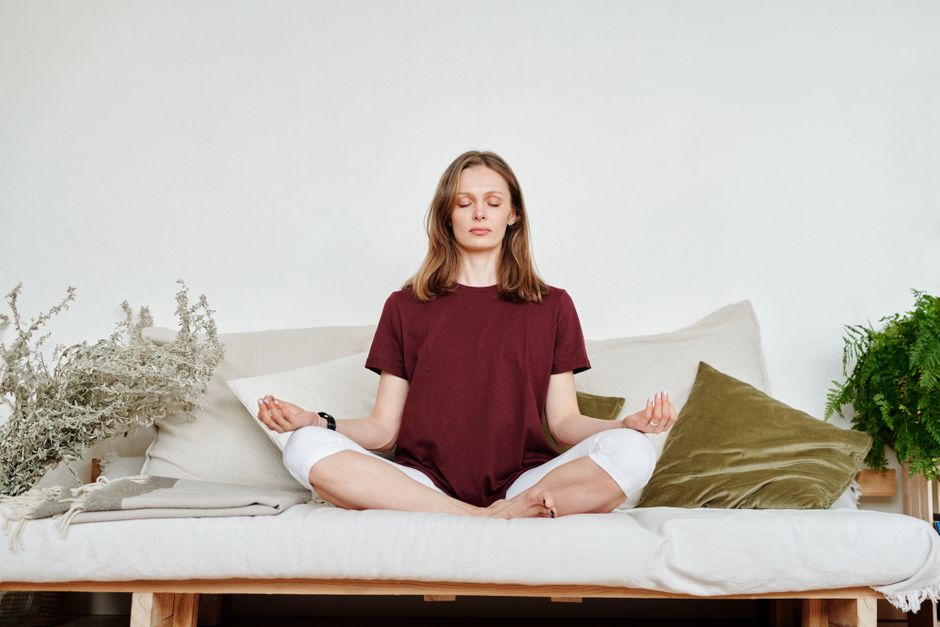
Slow breathing can lower blood pressure, but the size of the effect is modest. Research on device-guided slow breathing and slow-paced breathing exercises generally shows systolic reductions in the range of a few points to around 10 mmHg in people with elevated blood pressure, with smaller effects in people whose blood pressure is already normal. The effect builds over weeks of regular practice, not minutes, and it does not replace medication or other treatment for high blood pressure.
How Much Can Slow Breathing Lower Your Blood Pressure?
For people with high blood pressure, regular slow breathing practice has produced average systolic reductions of roughly 5 to 10 mmHg in several studies. Diastolic reductions tend to be smaller, often in the range of 2 to 5 mmHg.
That range comes with real caveats. Study results vary widely. Some trials show clear reductions. Others show little difference from a control group. The people most likely to benefit are those whose blood pressure is already elevated. In people with normal blood pressure, the effect is generally small.
For context, a sustained reduction of even 5 mmHg in systolic pressure across a population is considered meaningful at the public health level. But for an individual, a few points is not the same as the 10 to 20 mmHg or more that a blood pressure medication can produce. Slow breathing is a supportive practice, not a treatment.
What Happens in Your Body When You Breathe Slowly?
Slow breathing changes signals from your nervous system to your heart and blood vessels. The main mechanism involves your autonomic nervous system, which controls heart rate and blood vessel width without your conscious input.
When you breathe slowly, especially at a rate around six breaths per minute, your heart rate begins to speed up slightly on inhalation and slow down on exhalation. This pattern is called respiratory sinus arrhythmia. It reflects stronger vagal tone, meaning the parasympathetic branch of your nervous system — the “rest and digest” branch — is more active.
Greater parasympathetic activity tends to relax blood vessels and lower heart rate. Both changes can reduce blood pressure. Slow breathing may also reduce sympathetic nervous system activity, the “fight or flight” branch that tightens blood vessels and raises pressure.
One clarification worth knowing: the blood pressure drop you might see during a single slow breathing session is temporary. It reflects momentary nervous system shifts. Lasting changes require repeated practice over weeks, and the mechanisms behind that longer-term effect are not fully understood.
What Does the Research Actually Show?
The evidence for slow breathing and blood pressure is real but not uniform. Results depend heavily on who was studied, how long they practiced, and what they were compared against.
Several studies have used device-guided breathing, where a small device guides the user to slow their breathing pace. Some trials of this approach found systolic reductions in the range of several mmHg after eight weeks of regular use. Other trials found smaller effects or none.
Slow-paced breathing without a device has also been studied. Some research suggests similar modest benefits. A recurring problem across this literature is that many studies are small, and some lack strong control groups. When people believe they are doing something helpful for their health, their blood pressure can shift for reasons unrelated to the breathing itself.
There is also a practical issue. Adherence in real life tends to be lower than in supervised studies. The blood pressure benefit seen in a trial assumes people actually practice regularly. Most do not sustain it long-term without structure or support.
What the evidence does not show: slow breathing as a replacement for medication, or as a reliable way to bring high blood pressure into normal range on its own. No large trial has confirmed that.
How Should You Practice Slow Breathing?
The most studied approach is breathing at about six breaths per minute — roughly a five-second inhale and a five-second exhale. This pace appears to maximize the heart rate variability response linked to parasympathetic activation.
General practice guidance from slow breathing research typically involves:
- Sessions of about 10 to 15 minutes
- Practicing most days of the week
- Breathing through the nose if comfortable
- Keeping the breath gentle, not forced
These are general descriptions of what studies have used, not a prescription. No clinical guideline sets a specific dose of slow breathing for blood pressure. What works for one person may not suit another.
If you feel dizzy or lightheaded while practicing, stop and breathe normally. Slow breathing should not cause discomfort. People with certain heart or lung conditions should check with a clinician before starting a breathing practice, particularly if breath-holding or very slow rates are involved.
Who Is Most Likely to Benefit?
People with mildly elevated blood pressure appear to benefit most. This group includes people whose readings sit above normal but below the high blood pressure range, and people with early-stage hypertension.
People with normal blood pressure generally see little change. That makes sense — the body regulates blood pressure within a narrow range, and there is less room to lower it.
Slow breathing also appears to help with stress and anxiety, which can contribute to blood pressure elevation in some people. The relationship between stress and chronic high blood pressure is real but complex, and reducing stress is not guaranteed to lower blood pressure readings.
Slow breathing is generally safe for most adults. It is not a substitute for addressing the major drivers of high blood pressure: excess sodium intake, physical inactivity, excess weight, alcohol, and smoking.
How Does Slow Breathing Compare to Other Approaches?
Slow breathing sits among several non-drug approaches to blood pressure. Its effect is smaller than most others, but it is also one of the easiest to start.
| Approach | Typical systolic effect | Notes |
|---|---|---|
| Slow breathing | Several mmHg with regular practice | Small studies, variable results |
| Regular aerobic exercise | Meaningful reduction with sustained activity | Well established |
| Reducing sodium intake | Meaningful reduction in salt-sensitive people | Well established |
| Weight loss (if overweight) | Reduction roughly proportional to weight lost | Well established |
| Blood pressure medication | Often 10 to 20 mmHg or more | Depends on drug and dose |
The comparison is not about choosing one. Slow breathing works best alongside established approaches, not instead of them. If your blood pressure is high, the interventions with the strongest evidence are the ones your clinician will focus on first.
What Slow Breathing Cannot Do
Slow breathing will not bring high blood pressure into normal range on its own in most people. It will not replace medication that has been prescribed. It will not work if practiced occasionally — the effect depends on regularity.
It also will not fix high blood pressure caused by factors it does not touch. If your blood pressure is elevated because of excess sodium, inactivity, or excess weight, breathing exercises address only a small part of the picture.
One more honest point: the marketing around breathing devices and apps often outpaces the evidence. Claims that a device “treats” hypertension or produces medication-level results are not supported by large trials. Some devices have been studied, but the results are modest and inconsistent.
Frequently Asked Questions
How much can slow breathing lower blood pressure?
Studies generally show average systolic reductions of roughly 5 to 10 mmHg in people with elevated blood pressure, with smaller diastolic changes. Effects in people with normal blood pressure are usually small.
How long does it take for slow breathing to lower blood pressure?
Most studies showing benefit involved several weeks of regular practice, often around eight weeks. A single session may cause a brief dip, but lasting change requires consistent practice over time.
Can slow breathing replace blood pressure medication?
No. The reductions seen in studies are much smaller than those from medication, and no large trial supports replacing prescribed drugs with breathing exercises.
How many breaths per minute should I aim for?
About six breaths per minute is the most studied pace, roughly a five-second inhale and five-second exhale. Keep the breath gentle and stop if you feel dizzy.
