
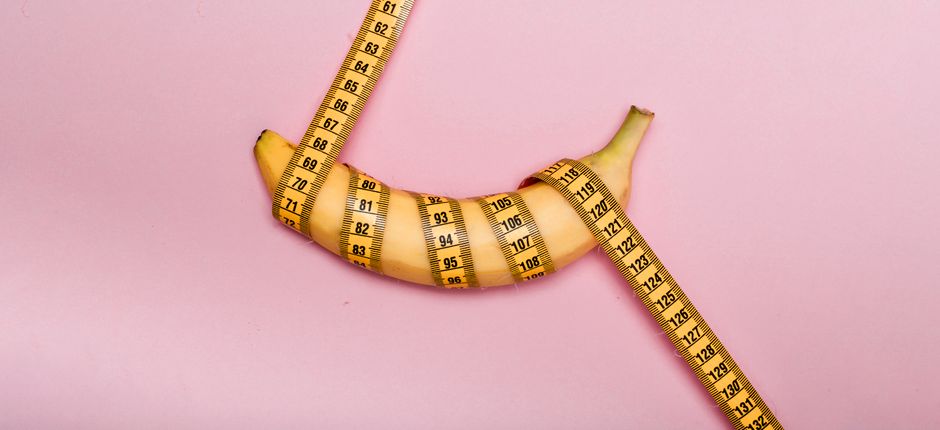
A medium banana has about 105 calories. That number is for a banana about 7 to 8 inches long. Smaller bananas have fewer calories, and larger ones have more. This makes the banana a convenient, naturally portion-controlled snack that fits easily into most daily calorie budgets.
How Many Calories Are in a Banana by Size?
The calorie count changes with the size of the fruit. The USDA provides standard measurements that make it easy to estimate what you are eating.
- Extra small (under 6 inches): about 72 calories
- Small (6 to 7 inches): about 90 calories
- Medium (7 to 8 inches): about 105 calories
- Large (8 to 9 inches): about 121 calories
- Extra large (9 inches or longer): about 135 calories
These figures come from standard USDA nutritional data. If you weigh your banana instead of measuring its length, a cup of sliced banana contains about 134 calories. A whole peeled medium banana typically weighs around 118 grams.
What Else Is in a Banana Besides Calories?
Bananas are mostly carbohydrate and water. A medium banana contains about 27 grams of carbohydrates, 3 grams of fiber, and 14 grams of naturally occurring sugar.
They are very low in protein and fat. A medium banana has about 1 gram of protein and less than half a gram of fat. This is why bananas are not a complete meal on their own, but they work well as a quick energy source before or after exercise.
Bananas are well known for their potassium content. A medium banana provides about 422 milligrams of potassium, which is roughly 9% of the daily value for most adults. They also contain vitamin B6, vitamin C, and manganese in smaller amounts.
Does Ripeness Change the Calorie Count?
The total calories in a banana do not change as it ripens. A green banana and a fully yellow banana of the same size have nearly identical calorie counts.
What changes is the type of sugar. Green bananas contain more resistant starch, which your body digests more slowly. As the banana ripens, that resistant starch converts into simple sugars like glucose, fructose, and sucrose. This makes ripe bananas taste sweeter and raises their glycemic index, meaning they can raise blood sugar more quickly than greener bananas.
For most people, this difference is minor. Both green and ripe bananas are healthy choices. People with diabetes or insulin resistance may prefer less ripe bananas to slow the blood sugar response, but portion size matters more than ripeness.





How Do Banana Calories Compare to Other Fruits?
Bananas are higher in calories than many other fruits because they contain more carbohydrates and less water. This is not a bad thing, but it is useful to know if you are tracking calorie intake.
| Fruit (1 medium serving) | Approximate Calories |
|---|---|
| Banana (7-8 inches) | 105 |
| Apple (medium) | 95 |
| Orange (medium) | 62 |
| Peach (medium) | 59 |
| Strawberries (1 cup whole) | 46 |
Berries and melons are the lowest-calorie fruit options because they have high water content. Bananas and grapes are on the higher end. If you are trying to lose weight, you can still eat bananas, but you may want to be mindful of portion size.
Do Bananas Cause Weight Gain?
No single food causes weight gain. Weight gain happens when you consistently eat more calories than your body burns over time.
A medium banana at 105 calories is a reasonable snack for most adults. Compare that to a typical granola bar, which often contains 150 to 200 calories, or a bag of chips at 150 to 300 calories. The banana is often the lower-calorie choice and provides more fiber and nutrients.
Some people avoid bananas because they think the sugar content is too high. The sugar in a banana is naturally occurring and comes packaged with fiber, which slows digestion. This is different from added sugar in processed foods, which enters the bloodstream quickly without fiber to blunt the effect.
Eating multiple bananas in one sitting is possible, and that will add calories. Two large bananas contain about 240 calories. That is still a reasonable snack for an active adult, but it may be more than someone on a strict weight-loss plan wants to spend on one snack.
Are Bananas Good for Athletes and Active People?
Bananas are one of the most studied fruits in sports nutrition. Research has looked at whether bananas can serve as an effective fuel source during endurance exercise.
Some studies suggest that bananas perform comparably to commercial sports drinks for fueling moderate to high intensity exercise lasting about an hour. This is likely because bananas provide a mix of glucose, fructose, and potassium, which supports muscle function and hydration at the cellular level.
For everyday exercise, a banana before a workout is a simple and affordable choice. It provides quick-digesting carbohydrates that your muscles can use for energy. Pairing a banana with a source of protein, such as Greek yogurt or peanut butter, creates a more balanced snack that supports muscle recovery after exercise.
Can You Eat Bananas on a Low-Carb Diet?
Bananas are not a low-carbohydrate food. A medium banana contains about 27 grams of carbohydrates, which can use up a large portion of the daily carb allowance on strict low-carb diets like keto, which typically limit carbs to 20 to 50 grams per day.
On more moderate low-carb plans, a banana may fit occasionally if you plan around it. Some people eat half a banana to keep the carb count lower while still enjoying the taste and nutrients.
If you are following a low-carb diet for medical reasons, such as managing epilepsy or diabetes under a doctor’s supervision, talk to your healthcare provider about whether bananas fit your specific plan.
Are There Any Downsides to Eating Bananas?
Bananas are safe for most people. The main concerns are related to specific health conditions.
People with chronic kidney disease may need to limit potassium. The kidneys normally filter excess potassium from the blood, but when kidney function is impaired, potassium can build up to dangerous levels. If you have kidney disease, follow your doctor’s advice about potassium intake, which may include limiting bananas.
People with a latex allergy may also react to bananas. This is called latex-fruit syndrome. The proteins in bananas are similar to proteins in natural rubber latex, and some people with latex allergy experience itching or swelling in the mouth after eating bananas. This affects a minority of people with latex allergy but is worth knowing if you have this condition.
What Is the Best Way to Store Bananas?
Bananas continue to ripen after they are picked. The ethylene gas they produce drives this process.
To slow ripening, keep bananas at room temperature and away from direct sunlight. You can store them in the refrigerator once they reach your desired ripeness. The skin will turn brown or black in the fridge, but the fruit inside stays firm and sweet for several more days.
Freezing bananas is a practical option if you have more than you can eat. Peel them first, cut them into chunks, and store them in a sealed bag. Frozen banana chunks blend well into smoothies and can replace ice cream in some recipes. A frozen banana has the same calories as a fresh one of the same size.
Should You Eat Banana Peels?
Social media has popularized eating banana peels, claiming they contain extra nutrients and fiber. The peel is technically edible and does contain fiber, potassium, and vitamin B6.
The evidence supporting health benefits from eating banana peels is limited. No large human studies have confirmed meaningful benefits from regular peel consumption. The peel also contains compounds that can taste bitter and may be hard for some people to digest.
If you want to try it, wash the banana thoroughly and consider boiling or blending the peel to improve texture. But there is no strong evidence that eating the peel is necessary for good health. You get most of the well-established benefits from the fruit itself.
Frequently Asked Questions
How many calories are in a small banana?
A small banana that is 6 to 7 inches long has about 90 calories. An extra small banana under 6 inches has about 72 calories.
How many calories are in a large banana?
A large banana that is 8 to 9 inches long has about 121 calories. An extra large banana over 9 inches has about 135 calories.
Are bananas fattening for weight loss?
Bananas are not fattening by themselves, as a medium banana has only about 105 calories. Weight gain depends on total daily calorie intake, not on any single food.
Do green bananas have fewer calories than ripe bananas?
Green and ripe bananas of the same size have nearly the same calories. Ripeness changes the type of sugar, not the total calorie count.
