
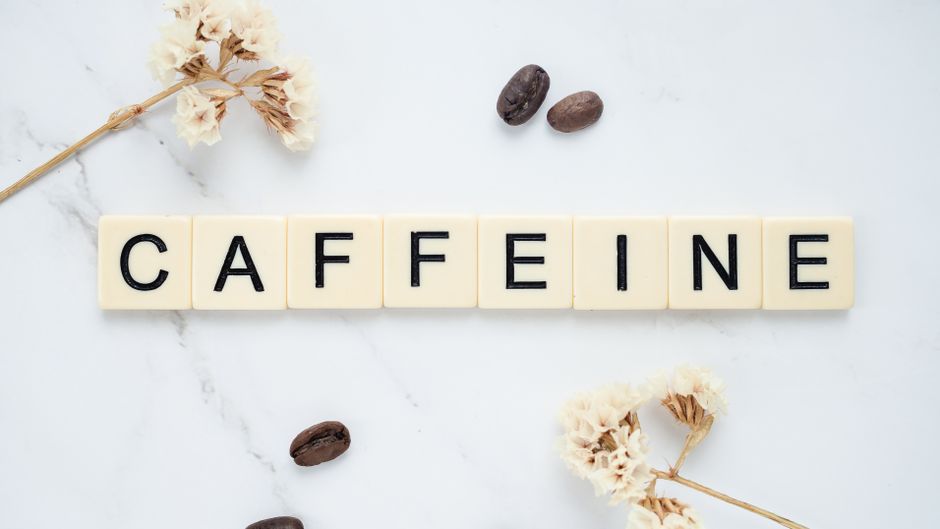
A can of soda typically contains between 30 and 55 milligrams of caffeine. The exact amount depends on the brand, the type of soda, and the serving size. A standard 12-ounce can of cola usually has about 34 milligrams, while some energy drinks and certain citrus sodas contain much more. This guide breaks down the caffeine content of popular pops so you can know exactly what you are drinking.
How Much Caffeine Is In A Can Of Cola?
Cola is the most common type of caffeinated soda. A standard 12-ounce can of most major cola brands contains roughly 34 milligrams of caffeine. This is a moderate amount. For comparison, a standard 8-ounce cup of brewed coffee contains about 95 milligrams.
Diet colas usually contain the same amount of caffeine as their regular versions. The sweetener does not change the caffeine content. If you are sensitive to caffeine, switching to diet soda will not help you avoid it.
Caffeine Levels In Popular Soda Brands
Not all sodas are created equal. The caffeine content varies widely across different types of soda. Here is a look at the approximate caffeine content per 12-ounce serving for common drinks.
| Soda Type | Average Caffeine (12 oz) |
|---|---|
| Mountain Dew | 54 mg |
| Cola (Coca-Cola, Pepsi) | 34 mg |
| Dr Pepper | 41 mg |
| Root Beer (most brands) | 0 mg |
| Sprite, 7-Up, Ginger Ale | 0 mg |
| Energy Drinks (Monster, Red Bull) | 80–160 mg |
Mountain Dew stands out among traditional sodas because it contains about 54 milligrams per can. That is roughly 60 percent more caffeine than a standard cola. Some citrus-flavored sodas and specialty pops also contain higher levels. Root beer, Sprite, 7-Up, and most ginger ales contain no caffeine at all.
Why Does Caffeine End Up In Soda?
Caffeine is in soda for two reasons. The first is flavor. Caffeine has a naturally bitter taste that balances the heavy sweetness of sugary sodas. Removing the caffeine would change the flavor profile, which is why most major cola brands still include it.
The second reason is behavioral. Caffeine is mildly addictive. It stimulates the central nervous system and can create a sense of alertness. Soda manufacturers have long used this effect to encourage repeat purchases. The amount in a single can is not enough to cause serious dependence for most people, but it can contribute to a daily habit.



How Much Caffeine Is Safe Per Day?
For healthy adults, up to 400 milligrams of caffeine per day is generally considered safe. That is roughly four cups of brewed coffee or about twelve cans of cola. Most people do not come close to that limit from soda alone.
Pregnant women are usually advised to keep caffeine intake below 200 milligrams per day. That equals about six cans of cola, though many healthcare providers recommend less. Children and teenagers should consume far less. No official guidelines exist for caffeine intake in children, but many pediatricians suggest keeping it to under 100 milligrams per day or avoiding it entirely.
What Counts As A Serving Of Soda?
Serving size matters more than most people realize. Many bottles of soda are 20 ounces, not 12. A 20-ounce bottle of cola contains about 57 milligrams of caffeine. A 20-ounce Mountain Dew contains about 90 milligrams.
Fountain drinks are even harder to estimate. A large fountain soda at a movie theater or fast-food restaurant can hold 32 to 44 ounces. A large fountain cola can easily deliver 90 to 130 milligrams of caffeine. That is approaching the caffeine content of a cup of coffee, even though it feels like just a soda.
Check the label on the bottle or can. The caffeine content is listed per serving, and the number of servings per container is also listed. Multiply the two numbers to get the total caffeine in the whole drink.
Soda Vs. Coffee: Which Has More Caffeine?
Coffee almost always has more caffeine than soda. An 8-ounce cup of brewed coffee contains about 95 milligrams. A 12-ounce can of cola contains about 34 milligrams. Even a large soda rarely matches a standard cup of coffee.
There are exceptions. Some energy drinks marketed as sodas contain more caffeine than coffee. A 16-ounce energy drink can contain 160 milligrams or more. That exceeds the caffeine in a standard cup of coffee.
Espresso shots are also concentrated. A single 1-ounce shot of espresso contains about 63 milligrams. A large latte made with two shots contains about 126 milligrams. That is more than three cans of cola.
Does Caffeine In Soda Affect You Differently?
The caffeine in soda acts the same way in your body as caffeine from coffee or tea. It blocks adenosine receptors in the brain, which prevents drowsiness. It also increases adrenaline production. The effect is identical regardless of the source.
However, soda is often consumed cold and quickly. A can of soda might be finished in five minutes, while a cup of coffee is often sipped over thirty minutes. Faster consumption means the caffeine hits your system all at once, which can feel stronger.
Blood sugar also plays a role. Regular soda contains large amounts of sugar. A 12-ounce can of cola has about 39 grams of added sugar. The combination of caffeine and sugar can produce a rapid energy spike followed by a crash. Diet soda avoids the sugar spike but still delivers the caffeine.
How To Cut Back On Caffeine In Soda
If you want to reduce your caffeine intake from soda, start by knowing your baseline. Read the labels on everything you drink for a few days. You may be surprised by how much caffeine you consume from multiple sources.
Switching to caffeine-free versions of your favorite soda is the simplest step. Most major cola brands offer a caffeine-free version. The taste is slightly different, but many people adjust within a week.
If you drink multiple sodas per day, try replacing one with water or a caffeine-free alternative. Gradually reduce the number of caffeinated sodas you drink. Going cold turkey can cause withdrawal headaches, fatigue, and irritability for a few days.
Hidden Caffeine Sources In Pop
Some drinks that seem caffeine-free actually contain caffeine. Orange sodas like Sunkist and Barq’s root beer contain small amounts. The FDA allows manufacturers to list caffeine as an ingredient without stating the exact amount on the nutrition label in some cases, though most brands now voluntarily disclose it.
Energy drinks blur the line between soda and supplement. Many contain caffeine from natural sources like guarana or yerba mate, in addition to synthetic caffeine. These botanical sources also contain caffeine, so the total amount can be higher than the label suggests.
Always check the ingredient list. If caffeine, guarana, or yerba mate appears in the ingredients, the drink contains caffeine. If you are avoiding caffeine entirely, choose drinks that list none of these ingredients.
Frequently Asked Questions
Does all soda contain caffeine?
No. Root beer, Sprite, 7-Up, ginger ale, and most lemon-lime sodas contain zero caffeine. Only colas, some citrus sodas, and energy drinks typically contain caffeine.
How much caffeine is in a 20-ounce bottle of soda?
A 20-ounce bottle of cola contains about 57 milligrams of caffeine. A 20-ounce Mountain Dew contains about 90 milligrams.
Is caffeine in soda bad for you?
For healthy adults, up to 400 milligrams of caffeine per day is generally considered safe. Problems arise when you combine soda caffeine with coffee, tea, or energy drinks and exceed that total.
Which soda has the most caffeine?
Energy drinks like Monster and Red Bull have the most caffeine among popular pops, ranging from 80 to 160 milligrams per serving. Among traditional sodas, Mountain Dew has the highest level at about 54 milligrams per 12-ounce can.
