
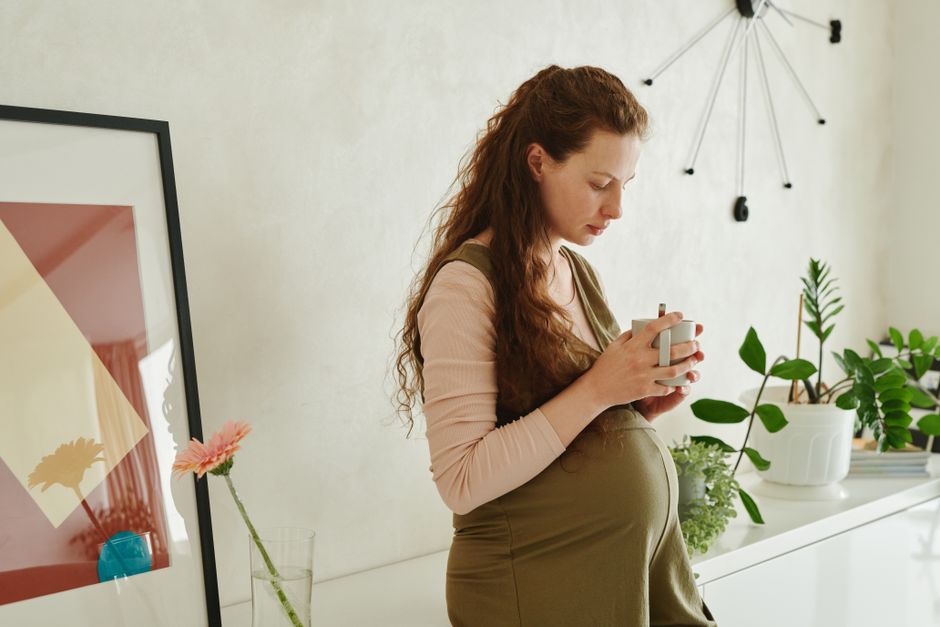
Most major health organizations that issue guidance on pregnancy say the same thing: limit caffeine to less than 200 milligrams per day. That is roughly the amount in one 12-ounce cup of brewed coffee. The 200 mg figure is a ceiling, not a target. Less is generally considered better.
Caffeine is not just in coffee. It shows up in tea, soda, chocolate, energy drinks, and some over-the-counter pain relievers. That matters because the daily limit applies to everything combined, not to coffee alone.
How Much Caffeine Can You Have When You’re Pregnant?
The widely cited limit is under 200 milligrams of caffeine per day. This number comes from guidance issued by several national health bodies and is the figure most often repeated by obstetric providers in the United States.
The reason for a limit at all is that caffeine crosses the placenta. Unlike many substances that the adult body can process and clear efficiently, caffeine reaches the fetus directly. The fetus and the placenta do not have the same enzyme capacity to break caffeine down, so it lingers longer in the developing baby than it does in the mother.
That does not mean caffeine is a poison. It means the dose matters, and the evidence for a specific safe threshold is not perfectly precise. The 200 mg figure is a conservative, practical guideline, not a line above which harm is guaranteed. Some research has looked at whether even lower intakes are associated with better outcomes, and the results have been mixed.
What the guidance reflects is a reasonable margin of safety. It is not a precise biological cutoff.
What Does 200 Milligrams of Caffeine Actually Look Like?
Caffeine content varies widely by drink, serving size, and how it is prepared. A cup of coffee is not a standardized unit. The same drink from two different shops can differ substantially.
| Drink (typical serving) | Approximate caffeine |
|---|---|
| Brewed coffee, 8 oz | 95–165 mg |
| Espresso, 1 oz shot | about 64 mg |
| Instant coffee, 8 oz | 60–80 mg |
| Decaf coffee, 8 oz | 2–5 mg |
| Black tea, 8 oz | 40–70 mg |
| Green tea, 8 oz | 25–45 mg |
| Cola, 12 oz | 30–45 mg |
| Energy drink, 8 oz | 70–100 mg |
| Dark chocolate, 1 oz | about 20 mg |
These are approximate ranges. Actual amounts depend on the brand, the beans, the brewing method, and the size of the cup. A large coffeehouse drip coffee can easily exceed 200 mg on its own.
A useful way to think about it: one standard 8-ounce brewed coffee puts you close to the limit. Two puts you over it. A single espresso has less than most people assume, but a large latte with multiple shots adds up fast.
Energy drinks deserve separate caution. They often combine caffeine with other stimulants, and some brands do not list caffeine content clearly. Many health organizations advise pregnant women to avoid them entirely, partly because of caffeine and partly because of the other ingredients.
Why Is There a Limit at All?
Caffeine is a stimulant that affects the central nervous system, heart rate, and blood pressure. In pregnancy, the concern is not about a single cup. It is about sustained higher intake and how the body handles a substance it clears more slowly.
During pregnancy, caffeine is metabolized more slowly than usual. The half-life of caffeine — the time it takes for the body to clear half of it — lengthens significantly. This is why the same cup of coffee can stay in the system longer than it would outside of pregnancy.
The fetus cannot metabolize caffeine on its own. It depends on the mother’s body to clear it, and because that clearance is slower, the fetus is exposed for longer periods.
Observational studies have looked at associations between higher caffeine intake and outcomes such as lower birth weight and, in some cases, miscarriage. These studies are observational, which means they show correlations, not proof of cause and effect. They also rely on people accurately reporting how much caffeine they consume, which is difficult. Despite these limitations, the pattern across multiple studies has been consistent enough that major health organizations recommend limiting intake.
That is the honest picture. The evidence supports caution. It does not support panic over a single cup.





Does the Type of Caffeine Matter?
For the daily limit, the source is largely irrelevant. Caffeine is caffeine. What matters is the total milligrams, not whether it came from coffee, tea, or soda.
That said, there are practical differences worth knowing.
- Coffee tends to deliver the most caffeine per serving, so it is the easiest way to exceed the limit.
- Tea has less caffeine and also contains compounds that may slow absorption, so the effect can feel gentler.
- Soda often has modest caffeine but also added sugar, which many people want to limit during pregnancy for separate reasons.
- Energy drinks are a different category. Beyond caffeine, they may contain ingredients that have not been well studied in pregnancy.
- Chocolate contributes small amounts. It is rarely the main driver of total intake, but it counts.
Some over-the-counter medications, particularly certain headache and cold remedies, contain caffeine. It is worth reading labels, because these can add to the daily total without being obvious.
What If You Have Already Had More Than 200 Milligrams?
Going over the limit once is not a reason to panic. The guidance is about a daily pattern, not a single day. The body clears caffeine over time, and one higher day does not create a lasting problem.
What matters more is the ongoing, consistent level of intake. If you regularly consume well above 200 mg per day, that is the pattern worth changing. If you had a strong cup of coffee before you knew you were pregnant, that is a common situation and not something to be frightened by.
If you are concerned about your intake, the practical step is to track it for a few days. Most people underestimate how much they consume because they do not count tea, soda, chocolate, and medication. Writing it down often reveals where the caffeine is actually coming from.
Talk to your obstetric provider about your specific situation. They can give guidance based on your health history and any other factors that apply to you. This article is informational and is not a substitute for that conversation.
How Can You Cut Back Without Feeling Miserable?
Quitting caffeine abruptly can cause headaches, fatigue, and irritability. For someone who drinks several cups a day, tapering is usually easier than stopping cold.
Practical approaches that people commonly use:
- Replace one regular coffee with decaf, then gradually shift the ratio.
- Switch to tea, which has less caffeine per serving.
- Choose smaller cup sizes rather than cutting the number of cups.
- Drink water or another caffeine-free beverage first when you feel the urge out of habit rather than need.
- Read labels on soda, chocolate, and any medication you take.
None of these are clinical prescriptions. They are common-sense strategies. The goal is to stay under the limit consistently, not to eliminate caffeine entirely. Decaf still contains small amounts, but it is low enough that it rarely pushes someone over the daily threshold on its own.
Is Any Caffeine Considered Safe in Pregnancy?
Yes. The guidance is a limit, not a ban. Most health organizations that address this topic allow for some caffeine during pregnancy, with the understanding that total intake should stay under 200 mg per day.
That said, the evidence does not establish a level that is guaranteed to have zero effect. The 200 mg threshold is a practical guideline built on the available research and a margin of caution. Some studies suggest lower intake may be associated with better outcomes, but the findings are not consistent enough to set a firm lower number.
What is clear is that high intake is the concern. Moderate intake within the recommended range is generally considered acceptable by the organizations that issue this guidance. If you want to minimize caffeine entirely, that is also a reasonable choice, and decaf options make it easier than it used to be.
Frequently Asked Questions
How much caffeine is safe during pregnancy?
Most major health organizations recommend limiting total caffeine to under 200 milligrams per day. That is roughly one 12-ounce cup of brewed coffee.
Is one cup of coffee a day okay when pregnant?
One standard 8-ounce cup of brewed coffee usually falls within the 200 mg daily limit. A larger cup or a stronger brew can exceed it, so serving size matters.
Does caffeine cross the placenta?
Yes, caffeine crosses the placenta and reaches the fetus. The fetus cannot metabolize caffeine efficiently, which is one reason intake is limited during pregnancy.
What happens if I go over 200 mg of caffeine while pregnant?
A single day over the limit is not considered dangerous. The concern is a consistent pattern of high intake, so tracking your usual amount matters more than one higher day.
