
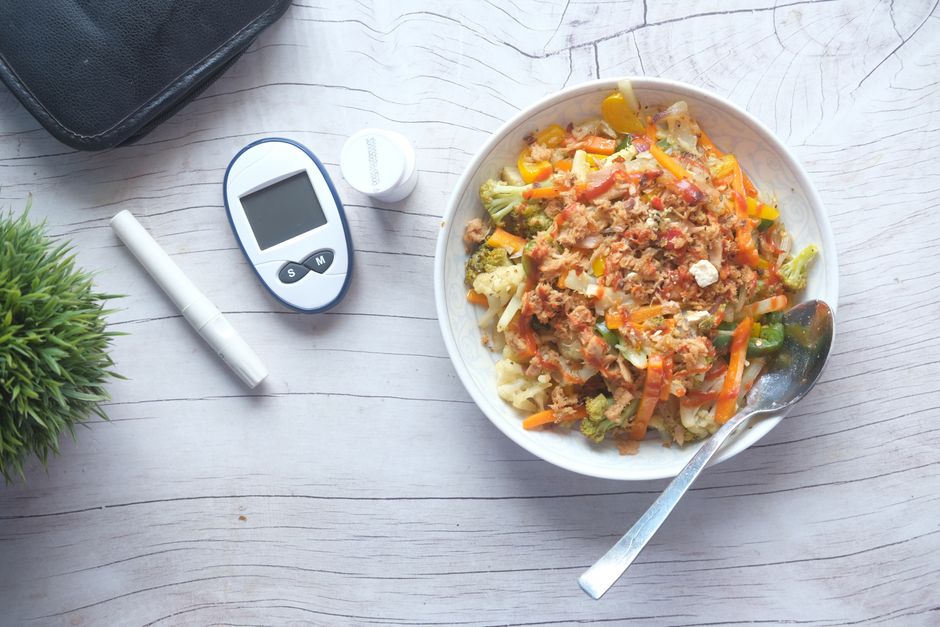
Brown rice can fit into a diabetes eating plan, but portion size is what matters most. A reasonable starting point is about one-third to one-half cup of cooked brown rice in a single meal, paired with protein and vegetables. That amount delivers roughly 15 to 22 grams of carbohydrate, which fits the standard 45 to 60 grams of carbohydrate per meal that many diabetes meal plans use. The exact amount depends on your blood sugar targets, your medications, and what else is on your plate.
Why Does Brown Rice Affect Blood Sugar Differently Than White Rice?
Brown rice and white rice come from the same grain. The difference is what gets removed during milling.
Brown rice keeps its bran layer and germ. White rice has both stripped away, leaving mostly the starchy endosperm. That bran layer contains fiber, which slows how quickly the grain’s starch breaks down into glucose. The germ adds a small amount of fat and protein, which also slows digestion slightly.
The practical result is that brown rice raises blood sugar more gradually than white rice. It is not a dramatic difference, and it does not make brown rice a “free” food for anyone with diabetes. It still contains carbohydrate, and carbohydrate is what raises blood glucose.
Brown rice does have a lower glycemic index than white rice in most comparisons. The glycemic index measures how fast a food raises blood sugar compared with a reference food. Lower is generally better for blood sugar control, but the glycemic index has limits. It does not account for portion size, and it does not capture how a food behaves when eaten with other foods. A small serving of white rice with chicken and vegetables may affect blood sugar less than a large bowl of brown rice eaten alone.
This is where a lot of people get tripped up. Choosing brown rice is a reasonable swap. Assuming it removes the need to count carbohydrates is not.
How Much Brown Rice Can A Diabetic Eat Safely?
There is no single number that applies to everyone. The amount that keeps blood sugar in range depends on the person.
That said, a common approach in diabetes nutrition is to keep total carbohydrate per meal within a set range. Many meal plans target 45 to 60 grams of carbohydrate per meal, though this varies by individual and by guidance source. Within that framework, a serving of brown rice around one-third to one-half cup cooked is a practical fit for most meals.
Here is roughly what different portions of cooked brown rice contribute:
- 1/3 cup cooked: about 15 grams of carbohydrate
- 1/2 cup cooked: about 22 grams of carbohydrate
- 1 cup cooked: about 45 grams of carbohydrate
Those numbers come from standard USDA nutrient data for cooked brown rice. They are a useful reference, not a prescription. The right portion for you is the one that keeps your post-meal blood sugar within the range your care team has set.
One thing worth knowing: the same volume of rice can contain different amounts of carbohydrate depending on how it is cooked. Rice that absorbs more water weighs more and is less calorie- and carbohydrate-dense per cup. This is why weighing rice or measuring it consistently matters more than eyeballing it.
Does Brown Rice Raise Blood Sugar Less Than White Rice in Real Meals?
In controlled settings, brown rice tends to produce a smaller and slower rise in blood glucose than white rice. That finding shows up across multiple studies comparing the two grains.
The size of that difference in a real meal is modest. It is not the difference between a spike and no spike. It is the difference between a slightly gentler rise and a slightly sharper one.
What you eat alongside the rice often matters more than the rice itself. Protein, fat, and fiber all slow gastric emptying and blunt the post-meal glucose rise. A half cup of brown rice with grilled fish and non-starchy vegetables will behave very differently in your body than the same rice eaten plain on an empty stomach.
Order of eating may also play a small role. Some research suggests that eating vegetables and protein before carbohydrate at a meal can reduce the post-meal glucose rise. The effect is real but not large, and it does not replace carbohydrate counting or medication management.





What Should You Pair With Brown Rice to Keep Blood Sugar Steady?
The company rice keeps matters. A few pairings tend to work well:
- Lean protein such as chicken, fish, tofu, or beans
- Non-starchy vegetables like broccoli, spinach, peppers, or green beans
- Healthy fats in small amounts, such as olive oil, nuts, or avocado
Fiber is a key player here. Vegetables and legumes add fiber, which slows digestion and softens the glucose response. Protein and fat do similar work by slowing how fast the stomach empties into the small intestine.
What tends to work against you is pairing rice with other refined carbohydrates. A plate of rice, white bread, and sweet sauce is mostly fast-digesting carbohydrate. That combination can push blood sugar up quickly regardless of whether the rice is brown.
Does Brown Rice Fit Into a Low-Carb or Carb-Controlled Plan?
Brown rice can fit into a carb-controlled plan. It fits less comfortably into a very low-carbohydrate plan, because even a small serving uses up a meaningful share of a tight daily carbohydrate budget.
If you follow a very low-carbohydrate approach, a half cup of brown rice may be more carbohydrate than you want in a single meal. In that case, smaller portions or less frequent use may make more sense. This is a conversation to have with your care team, because carbohydrate targets are individual.
If you follow a moderate-carbohydrate plan, brown rice can be a regular part of meals as long as portions stay consistent and you account for the carbohydrate.
Does Brown Rice Have Benefits Beyond Blood Sugar?
Brown rice provides nutrients that white rice loses during milling. It contains more fiber, magnesium, and several B vitamins than its white counterpart.
Fiber supports digestive health and can help with fullness. Magnesium is involved in many body processes, including blood sugar regulation. Whether eating brown rice specifically improves long-term diabetes outcomes is less clear. Most of the strong evidence is about overall dietary patterns, not single grains.
Whole grains in general are associated with better health outcomes in large population studies. Brown rice is one whole grain among many. It is not uniquely protective, and it is not a treatment for diabetes.
One practical caution: brown rice can contain higher levels of arsenic than white rice, because arsenic concentrates in the bran layer. This is a genuine concern with frequent, high intake. The FDA has noted that rice and rice products can contain arsenic and recommends eating a variety of grains rather than relying heavily on rice. If you eat rice often, rotating in other whole grains like oats, barley, or quinoa is a reasonable step.
How Should You Test How Brown Rice Affects Your Blood Sugar?
The most reliable way to know how brown rice affects you is to check your blood sugar around a meal that includes it.
A common approach is to check your blood glucose before the meal and again about one to two hours after the first bite. That timing captures the post-meal rise for most people. The exact timing your care team recommends may differ.
Doing this a few times with different portions can show you your personal response. Two people can eat the same half cup of brown rice and see different results. Blood sugar response depends on your insulin sensitivity, your medications, your activity level, and the rest of the meal.
Keep the test simple. Change one thing at a time. If you want to know whether portion size matters, test a half cup one day and a full cup another day with similar meals. If you want to know whether pairing matters, test rice alone versus rice with protein and vegetables.
Write down what you ate and what your numbers were. Patterns show up quickly, and that record is far more useful to your care team than general advice from the internet.
What Else Should You Know About Rice and Diabetes?
Brown rice is a better choice than white rice for most people with diabetes, but it is not a cure or a free pass. It is a carbohydrate food, and it counts.
The bigger picture matters more than any single grain. Overall eating patterns, physical activity, medication adherence, and regular monitoring drive blood sugar control. Swapping white rice for brown rice is a small, sensible step within that larger picture.
If you are unsure how much rice fits your plan, ask a registered dietitian or your diabetes care team. They can factor in your medications, your targets, and your daily routine. Generic advice cannot do that.
Frequently Asked Questions
How much brown rice can a diabetic eat safely?
A common serving is about one-third to one-half cup of cooked brown rice per meal, which provides roughly 15 to 22 grams of carbohydrate. The right amount for you depends on your individual carbohydrate targets and blood sugar response.
Is brown rice better than white rice for diabetes?
Yes, brown rice generally raises blood sugar more slowly than white rice because it retains its fiber-rich bran layer. The difference is modest, and portion size still matters for both.
Can diabetics eat brown rice every day?
Brown rice can be part of daily meals if portions fit your carbohydrate plan. Because rice can contain arsenic, many guidance sources suggest varying your grains rather than eating rice at every meal.
Does brown rice spike blood sugar?
Brown rice can raise blood sugar, but usually more gradually than white rice. Pairing it with protein, fat, and vegetables helps slow the rise.
