
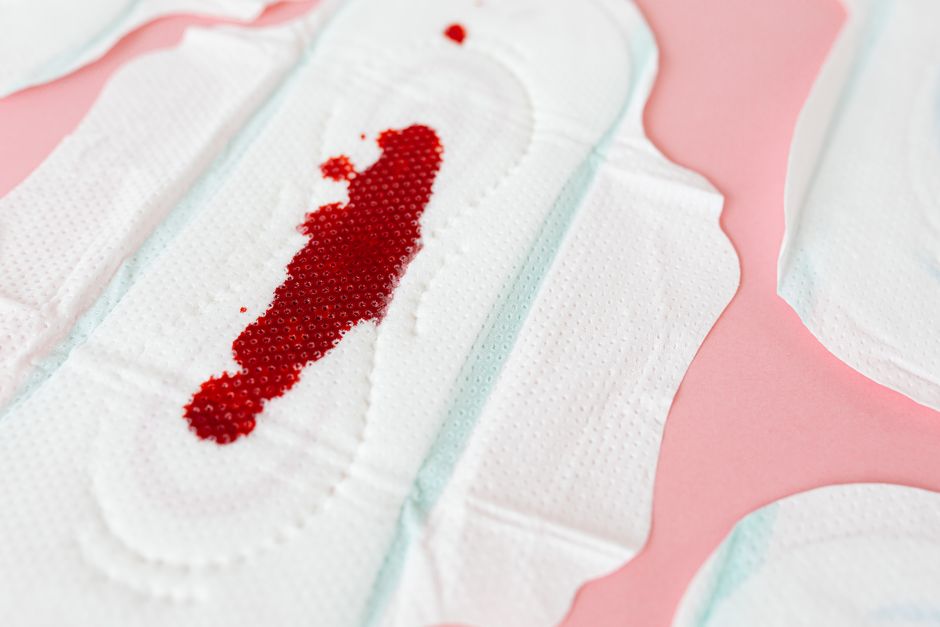
An average adult has about 5 liters of blood — roughly 10 pints — circulating through their body at any given moment. That volume makes up about 7 to 8 percent of total body weight, which is why blood volume is often estimated at around 70 milliliters per kilogram of body weight. It is not a fixed number. A 120-pound person and a 220-pound person carry very different amounts, and the body treats that difference as a matter of survival.
Blood volume matters because it is one of the few things the body regulates with almost no tolerance for error. Drop too low and organs lose oxygen. Rise too high and the heart works harder than it should. Understanding how much blood you have, what it does, and what happens when the amount changes explains a lot about how the body protects itself.
How Much Blood Is In The Human Body And Why It Matters?
Blood volume scales with body size, not with age or gender in any simple way. A larger body needs more blood to fill a larger network of vessels and supply more tissue. That is why weight-based estimates are used in medicine rather than a single universal number.
For an average adult, the range falls roughly between 4.5 and 6 liters. Newborns have far less — an infant weighing around 8 pounds carries only about 0.3 liters, or roughly 10 ounces. A child weighing 80 pounds has closer to 2.5 liters. These differences matter enormously in clinical settings, because a blood loss that would be minor for an adult can be life-threatening for a small child.
Blood itself is not a uniform fluid. It is about 55 percent plasma — mostly water with dissolved proteins, electrolytes, hormones, and waste products — and about 45 percent cells. Those cells are red blood cells, white blood cells, and platelets. Red cells carry oxygen. White cells fight infection. Platelets help form clots. Plasma carries everything else.
Why the exact number is less important than the range
Doctors rarely measure total blood volume directly. It is calculated, not counted. The formula uses body weight and sometimes height, and it produces an estimate. Two people of the same weight can have slightly different volumes depending on muscle mass, hydration, and other factors.
What clinicians actually track is whether blood volume is adequate for the person in front of them. A number that looks normal on paper can still represent a problem if the person is bleeding, dehydrated, or retaining fluid.
What Happens When You Lose Blood?
The body responds to blood loss in stages, and the severity depends on how much is lost and how quickly. A slow loss over days is very different from a sudden loss over minutes, even if the total volume is the same.
Losing up to about 15 percent of blood volume — roughly 750 milliliters in an average adult — usually causes few or no symptoms. The body compensates by constricting blood vessels and shifting fluid from tissues into the bloodstream. This is why blood donors can give about 450 to 500 milliliters in a single donation without lasting effects.
Beyond that, compensation starts to fail. At roughly 15 to 30 percent loss, heart rate rises, blood pressure may drop, and the person feels dizzy or weak. Above 30 percent, the situation becomes emergent. Organs begin to lose oxygen, and without rapid replacement of volume, shock and organ failure can follow.
This is why uncontrolled bleeding is treated as a medical emergency regardless of how small the wound looks. The visible loss is not always the full picture — internal bleeding can produce the same effects with no external sign.
How Does the Body Regulate Blood Volume?
Blood volume is controlled by a balance between fluid intake, fluid loss, and hormonal signals that tell the kidneys how much water and sodium to keep or release. The kidneys are the primary regulators, but they do not act alone.
When the body detects low volume — through pressure sensors in major blood vessels and the heart — it triggers a chain of responses. The hormone renin is released, which eventually leads to aldosterone, a hormone that tells the kidneys to hold onto sodium and water. Another hormone, antidiuretic hormone, signals the kidneys to conserve water directly. Together, these mechanisms restore volume over hours to days.
The opposite happens when volume is too high. The kidneys excrete more sodium and water, and hormones that promote retention are suppressed. This system is remarkably effective in healthy people, but it can be disrupted by heart failure, kidney disease, liver disease, and certain medications.
- Thirst is a late signal — by the time you feel thirsty, you are already slightly behind on fluid.
- Urine color and output reflect hydration status but are not precise measures of blood volume.
- Blood pressure can stay normal even during significant blood loss, because the body compensates until it cannot.





What Can Change Your Blood Volume?
Several conditions and situations shift blood volume up or down, sometimes significantly.
Pregnancy increases blood volume substantially — often by 40 to 50 percent by the third trimester. This is a normal adaptation that supports the growing fetus and prepares the body for delivery. It is also why pregnant women can lose more blood during childbirth than a non-pregnant person before showing signs of distress.
Dehydration reduces blood volume by reducing plasma. Severe dehydration can drop volume enough to cause low blood pressure, rapid heart rate, and confusion. This is a medical emergency, not a minor inconvenience.
Chronic kidney disease and heart failure can cause fluid retention that increases total volume, but the extra fluid is often distributed abnormally — pooling in the legs or lungs rather than circulating effectively.
Certain medications, including some diuretics and blood pressure drugs, alter fluid balance directly. This is intentional in many cases, but it means blood volume can shift with treatment changes.
Altitude triggers a different kind of change. The body increases red blood cell production over time to compensate for lower oxygen levels, but plasma volume may actually decrease initially. The net effect on total volume varies.
Why Blood Volume Is Measured in Medicine
Clinicians estimate blood volume when the stakes are high: major surgery, trauma, childbirth, and critical illness. Knowing the expected volume for a patient helps guide how much fluid or blood product to give, and how quickly.
In trauma, the concept of “permissive hypotension” is sometimes used — keeping blood pressure lower than normal until bleeding is controlled, to avoid dislodging clots. This is a clinical judgment, not a universal rule, and it does not apply to all patients or all types of injury.
In surgery, blood loss is tracked and replaced based on estimated volume and the patient’s response. The goal is not to restore a specific number on a lab report, but to maintain enough circulation to keep organs perfused.
Blood transfusion thresholds have shifted over time. Many hospitals now use restrictive strategies — transfusing only when hemoglobin drops below a certain level — because research has shown that giving less blood is often just as safe and avoids some risks. The exact threshold varies by patient and situation.
Common Myths About Blood Volume
Several popular claims about blood volume do not hold up.
“You have 10 pints of blood.” This is a reasonable average for an adult, but it is not universal. A small adult may have closer to 8 pints, and a large adult closer to 12.
“Blood is thicker than water.” Blood is about 55 percent plasma, which is mostly water. The “thickness” people refer to is usually about viscosity, which depends on red cell concentration and plasma proteins, not on the total volume.
“Drinking more water increases your blood volume.” It can, temporarily, but the kidneys quickly adjust and excrete the excess. Chronic overhydration does not produce more blood; it produces more urine.
“You can ‘build’ more blood by eating certain foods.” Diet supports red blood cell production if you are deficient in iron, vitamin B12, or folate. If you are not deficient, extra nutrients do not increase blood volume or red cell count.
Frequently Asked Questions
How much blood does the average adult have?
An average adult has about 5 liters, or roughly 10 pints, of blood. This represents about 7 to 8 percent of total body weight.
Can you survive losing half your blood?
Losing about half of your blood volume is generally fatal without immediate transfusion and emergency care. Survival depends on how quickly the loss occurs and how fast treatment is given.
Does blood volume change with age?
Blood volume stays roughly proportional to body weight across adulthood, so it does not change much with age alone. However, older adults may have less reserve to compensate for sudden losses.
How long does it take to replace donated blood?
Plasma volume is typically restored within 24 to 48 hours after donation. Red blood cells take longer — usually several weeks — which is why donation intervals are spaced out.
