
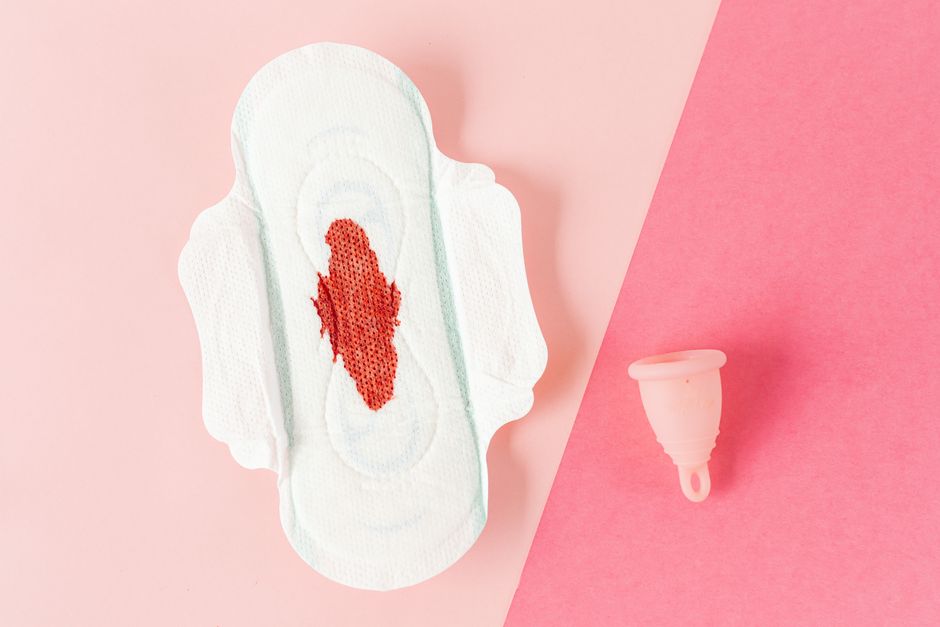
Most people lose somewhere between 30 and 80 milliliters of blood during a typical period. That works out to roughly 2 to 5 tablespoons. It sounds surprisingly small for something that can feel like a lot. Bleeding that soaks through a pad or tampon every hour for several hours, or that lasts longer than about a week, falls outside the normal range and is worth discussing with a doctor.
Menstrual fluid is not pure blood. It is a mix of blood, tissue from the uterine lining, and mucus. That is one reason volume is hard to judge by eye. What looks like a heavy flow on a pad often contains less actual blood than people assume.
How Much Blood Do You Lose On Your Period Whats Normal?
A normal period involves about 30 to 80 milliliters of blood loss across the whole cycle. Researchers and clinicians commonly use 80 milliliters as the upper end of normal. Beyond that, bleeding is classified as heavy menstrual bleeding.
Here is the problem with those numbers. They come from studies that measured blood loss directly, usually by collecting and weighing used products in a lab setting. Nobody does that at home. So in everyday life, clinicians rely on signs and patterns instead.
Signs that fit within a normal range:
- Changing a pad or tampon every 3 to 4 hours or less often
- Bleeding that lasts 3 to 7 days
- Small or occasional clots
- No need to change protection during the night, or only once
Signs that point toward heavier bleeding:
- Soaking through a pad or tampon every hour for more than 2 hours in a row
- Passing clots larger than about a quarter
- Needing to double up on protection
- Bleeding that lasts longer than 7 days
- Feeling dizzy, faint, or unusually tired during your period
One clarification that surprises many people: a “regular” flow is not one steady stream. Most blood loss happens in the first two days. The first day or two can look and feel much heavier than the rest of the period and still be completely normal.
Why Is Period Blood Volume So Hard to Judge?
People routinely overestimate how much they bleed. A 2019 review of studies on menstrual blood loss found that self-reported estimates often do not match measured volumes. The visual impact of blood on a pad or in toilet water makes loss feel larger than it is.
Product absorbency labels add to the confusion. A “super” tampon holds a defined amount, but saturation depends on flow rate, activity, and how long it stays in place. Two people using the same product can have very different actual blood loss.
Then there is the fluid itself. Menstrual blood carries clotting factors and tissue that make it look thicker and darker than the blood from a cut. Clots are normal, especially on heavy days. The size matters more than the presence.
If you want a clearer picture of your own pattern, track how often you change protection and how many days you bleed. That record is more useful to a clinician than any guess about tablespoons.
What Counts as Heavy Menstrual Bleeding?
Heavy menstrual bleeding is bleeding that interferes with your daily life or causes health problems such as anemia. Clinicians often use the 80-milliliter threshold, but the practical definition is broader. If bleeding keeps you from work, school, or normal activities, it qualifies as a concern worth checking.
The clinical term is menorrhagia. It is common. Some estimates suggest roughly one in five people who menstruate experience it at some point, though reported rates vary widely depending on how heavy bleeding is defined.
Heavy bleeding is not just an inconvenience. Losing more blood than your body replaces can lead to iron deficiency anemia. Symptoms include fatigue, shortness of breath, pale skin, and a racing heart. Iron deficiency from menstrual bleeding is one of the most common causes of anemia in people of reproductive age.
Heavy bleeding also has causes worth identifying. These include uterine fibroids, hormonal imbalances, thyroid problems, bleeding disorders, and in some cases polyps or other growths. Most causes are treatable. A clinician can sort out which applies through history, an exam, and sometimes blood tests or imaging.
When Should You Talk to a Doctor About Period Bleeding?
Talk to a clinician if your bleeding meets the heavy-bleeding signs above, if it has changed from your usual pattern, or if you feel exhausted or dizzy during your period. A change in what is normal for you is a valid reason to check in, even if the numbers look unremarkable on paper.
Seek care promptly if you soak through protection every hour for several hours without slowing, if you feel faint, or if you have bleeding between periods or after sex. These can have several causes, and none should be assumed to be harmless.
Also worth a conversation: periods that have become much lighter, shorter, or have stopped. That pattern can reflect hormonal shifts, low body weight, intense exercise, or other conditions. It is not always a problem, but it deserves a look.
Does the Type of Period Product Change How Much You Bleed?
No. Pads, tampons, cups, and period underwear do not change how much blood your body produces. They change how that blood is collected and how visible it is to you.
Menstrual cups are the one product that lets you see volume directly. Cup markings give a rough measurement, though they are not precise instruments. Some people find cups useful for getting a sense of their flow, especially if they suspect heavy bleeding.
What you use does not affect the underlying physiology. The uterus sheds its lining in response to hormonal signals, and that process runs the same regardless of what is catching the flow. Product choice is about comfort, preference, and fit.
What Affects How Much You Bleed?
Blood loss varies widely between people and even between cycles in the same person. Age, hormonal patterns, and whether you use hormonal contraception all play a role.
Hormonal birth control often reduces bleeding. Combined pills, hormonal IUDs, and some other methods commonly make periods lighter and sometimes stop them entirely. That is an expected effect, not a sign something is wrong.
Other factors that can increase bleeding include:
- Uterine fibroids, which are noncancerous growths in the uterus
- Hormonal conditions such as thyroid disorders
- Bleeding disorders, including von Willebrand disease
- Certain medications, including some blood thinners
- Perimenopause, when cycles often become irregular and sometimes heavier
Age matters too. Periods in the teen years are often irregular and sometimes heavy as cycles settle. In the years before menopause, cycles can become unpredictable. Both patterns are common, though heavy bleeding at any age deserves evaluation.
What Does Normal Actually Mean?
Normal is a range, not a fixed number. Two people can both be healthy with very different flows. The 30-to-80-milliliter figure describes a typical range, not a target you need to hit.
The more useful question is whether your bleeding affects your health or daily life. If it does, that is reason enough to get it checked. If it does not, and your pattern has been stable, you are likely within the normal range.
One thing worth saying plainly: heavy periods are common, but common does not mean you have to live with them. If bleeding is disrupting your life or leaving you worn out, that is a medical issue with real options. It is not something to push through silently.
Frequently Asked Questions
How many tablespoons of blood is a normal period?
A typical period involves about 2 to 5 tablespoons of blood, which equals roughly 30 to 80 milliliters. Most of that loss happens in the first two days.
Is it normal to soak through a pad in an hour?
Soaking through a pad every hour for more than 2 hours in a row is a sign of heavy bleeding and worth discussing with a doctor. Occasional heavy moments on your heaviest day can still be normal.
How long should a normal period last?
A normal period usually lasts 3 to 7 days. Bleeding that regularly lasts longer than 7 days is considered heavy and should be evaluated.
Can heavy periods cause anemia?
Yes. Losing more blood than your body replaces can lead to iron deficiency anemia, with symptoms like fatigue, shortness of breath, and dizziness. A simple blood test can check your iron levels.
