
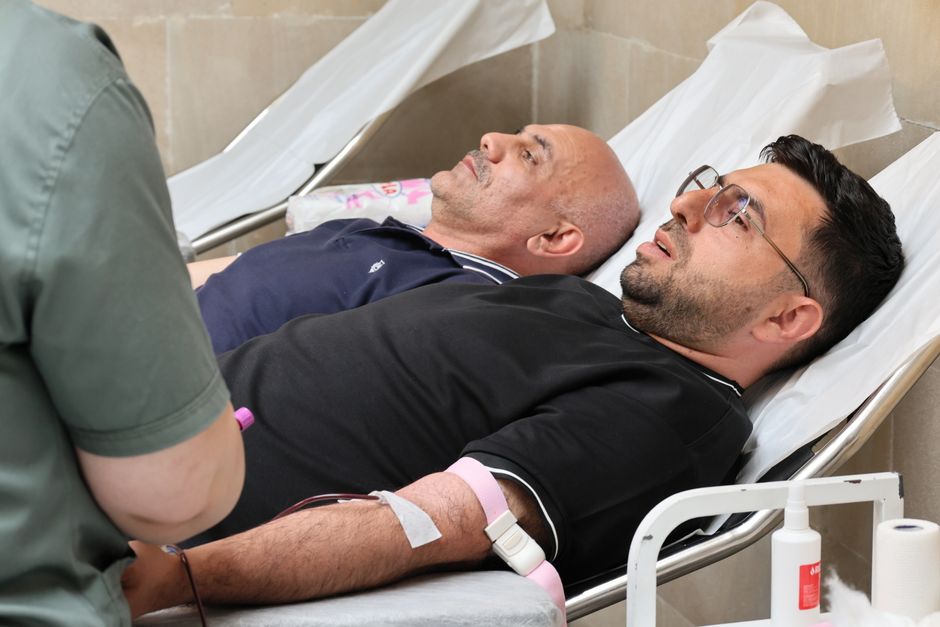
For a standard whole blood donation, collection centers take about one pint of blood, which is roughly 473 milliliters. That is the standard amount used by blood banks in the United States. Your body replaces the fluid portion within about 24 hours, while red blood cells take several weeks to fully replenish.
How Much Blood Do They Take When You Donate?
A standard whole blood donation collects 500 milliliters, or about one pint. In the United States, the actual amount collected is typically 450 to 500 milliliters, plus a small amount taken for routine testing. This volume is considered safe for most healthy adults.
The average adult has about 4,500 to 5,700 milliliters of blood circulating in their body. Donating one pint removes roughly 8 to 10 percent of your total blood volume. That is within the range that most people can lose without serious side effects.
The amount is the same regardless of your body size. A smaller person donates the same volume as a larger person, which is why weight minimums exist. Most blood centers require donors to weigh at least 110 pounds before giving blood.
What Are the Different Types of Blood Donation?
Whole blood donation is the most common type, but it is not the only one. The amount taken depends on which type of donation you choose.
- Whole blood: About 500 milliliters is collected. This is the standard donation most people give.
- Plasma donation: The machine collects only the liquid portion of your blood. A typical session collects 600 to 800 milliliters of plasma, but the process returns your red blood cells to you.
- Platelet donation: This process collects platelets and returns the rest of your blood. It takes longer, usually 2 to 3 hours.
- Double red cell donation: A machine collects two units of red blood cells, about double the amount of a whole blood donation.
Apheresis is the term for donations that use a machine to separate blood components. These procedures take longer than whole blood donation but allow donors to give more of one specific component.
How Long Does the Actual Blood Draw Take?
The needle stays in your arm for about 8 to 10 minutes for a whole blood donation. The full appointment, including registration and screening, usually takes about an hour.
Most of the time is spent on the health screening before donation. Staff check your blood pressure, pulse, temperature, and hemoglobin level. They also review your medical history to make sure it is safe for you to donate.
The actual collection happens quickly because the blood flows by gravity into the collection bag. You may be asked to squeeze your hand periodically to keep the blood flowing steadily.




How Much Blood Is Taken for Testing?
Blood centers collect a small additional amount for testing. This is usually about 10 to 30 milliliters, taken into separate tubes during the same needle stick.
That sample is screened for infectious diseases including HIV, hepatitis B, hepatitis C, and syphilis. It is also tested for blood type and checked for antibodies that could affect recipients.
These tests are required by federal regulations in the United States. The testing samples come from the same donation, so you do not need a second needle stick.
What Happens to Your Body After Donating One Pint?
Your body responds quickly to the fluid loss. Within 24 hours, your plasma volume is mostly restored because your kidneys and circulatory system work to bring fluids back to normal levels.
Red blood cells take longer to replace. Your bone marrow produces new red cells at a rate that fully restores your count in about 4 to 8 weeks. This is why the FDA requires an 8-week waiting period between whole blood donations.
Iron is a key nutrient lost with red blood cells. Each donation removes about 200 to 250 milligrams of iron from your body. Most people restore this through diet within several weeks, but frequent donors may develop low iron stores over time.
Blood centers check your hemoglobin before every donation. If your level is too low, you will be deferred and asked to return at a later date.
Who Can Safely Donate This Amount of Blood?
Blood donation is safe for healthy adults who meet the eligibility criteria. The standards exist to protect both the donor and the person receiving the blood.
You must be at least 16 or 17 years old depending on your state. The minimum weight is 110 pounds. You need to be in generally good health and free from active infections.
Certain medical conditions and medications may disqualify you temporarily or permanently. Recent travel to malaria-risk areas can also require a waiting period.
People with certain chronic conditions, such as heart disease or uncontrolled diabetes, may not be eligible to donate. The screening process determines this on an individual basis.
What Are the Side Effects of Losing This Much Blood?
Most donors feel fine after donating. Some people experience lightheadedness, dizziness, or fatigue shortly afterward. These symptoms usually pass within a few hours.
Fainting is the most common adverse event, occurring in about 2 to 5 percent of donations. It is more likely in young, first-time, or smaller donors. Blood centers manage this risk by having you rest and eat after donating.
A bruise at the needle site is common and harmless. Rare complications include nerve irritation, arm pain, or a more significant bleed under the skin.
To reduce side effects, drink extra fluids before and after donating. Eat a meal within a few hours before your appointment. Avoid strenuous exercise for the rest of the day.
How Often Can You Donate?
Whole blood donors must wait 8 weeks between donations. This allows your red blood cell count to return to normal before you lose more cells.
Plasma donors can donate more frequently, often every 28 days. Platelet donors can give every 7 days, up to 24 times per year.
These intervals are based on how quickly your body replaces each component. Plasma regenerates within days. Platelets return to normal within about a week. Red blood cells take the longest, which is why whole blood donation has the longest waiting period.
Men can safely donate whole blood up to 6 times per year. Women are often limited to 4 times per year because they typically have lower iron stores. Your blood center tracks your donations and will not allow you to exceed safe limits.
Frequently Asked Questions
Is donating one pint of blood safe?
Yes, for healthy adults who meet eligibility requirements. Losing one pint is about 8 to 10 percent of your total blood volume, which your body is designed to handle.
Why does the blood bag look like it holds more than one pint?
The bag contains an anticoagulant solution that keeps the blood from clotting during storage. The total volume in the bag is more than the actual blood collected.
How long does it take to recover from donating blood?
Your fluid volume is restored within 24 hours. Red blood cells take 4 to 8 weeks to fully replace, which is why the 8-week waiting period between donations exists.
Can I donate blood if I weigh less than 110 pounds?
No. The minimum weight requirement exists because a smaller person has less total blood volume, and removing one pint would be a larger percentage of their blood.
