
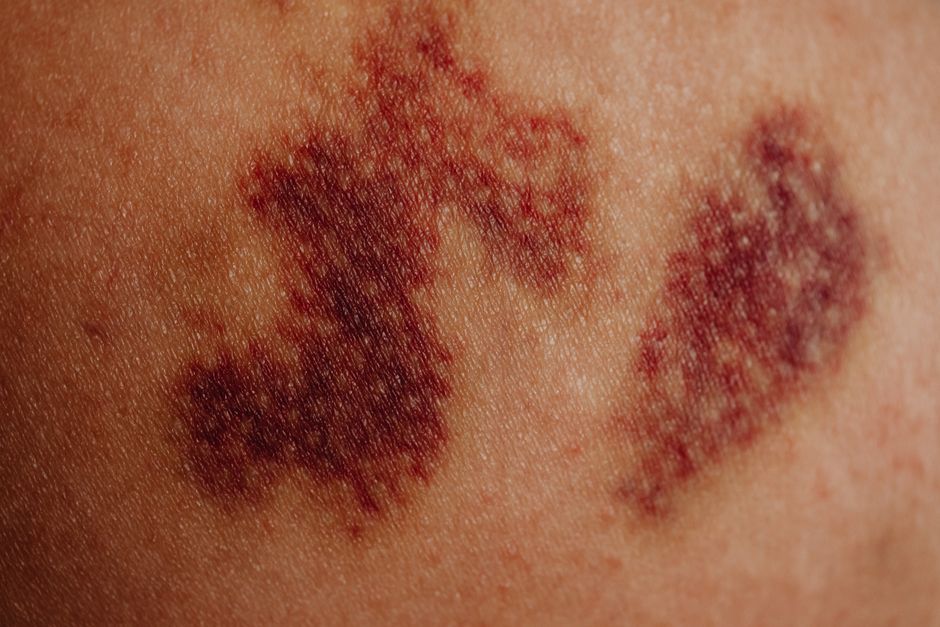
Seeing blood after a colonoscopy can be alarming, especially when you were told the test itself was routine. Here is the short answer: light spotting of blood on toilet paper or in the toilet bowl for a day or two is common and usually not a concern. Anything heavier — steady bleeding, clots, or blood that continues past a few days — is not normal and should be reported to your doctor right away.
That single sentence covers most cases. The rest of this article explains why bleeding happens, how much is too much, and when to pick up the phone.
Why Does Bleeding Happen After a Colonoscopy?
A colonoscopy is a procedure where a flexible tube with a camera is passed through the rectum and into the colon. Along the way, the doctor often removes small growths called polyps or takes tiny tissue samples called biopsies. Both of these leave a small wound on the lining of the colon.
The colon lining is delicate. When a polyp is removed, the doctor uses a tool to cut or cauterize (seal with heat) the tissue. A small amount of bleeding at the site is expected. In most cases, the body’s clotting system seals it within minutes to hours.
Two other things can cause minor bleeding:
- Small tears or irritation of the anal canal from the scope passing through
- Hemorrhoids that were irritated during the procedure
These tend to produce bright red blood on toilet paper or a few drops in the bowl. That is different from bleeding deeper in the colon, which can look darker.
How Much Bleeding Is Normal After a Colonoscopy?
Normal post-colonoscopy bleeding is light and brief. A few drops of bright red blood on toilet paper after your first bowel movement is typical. You might also see a small streak of blood in the stool itself, or a teaspoon or less of blood in the toilet bowl.
This kind of spotting usually clears within 24 to 48 hours. If you had a polyp removed, it may last a little longer — up to a few days — but it should steadily decrease, not increase.
Here is a simple way to think about it:
- Normal: A few drops or a small streak, bright red, on one or two occasions
- Report to your doctor: Any bleeding that continues beyond 2–3 days, or that seems to be getting heavier
- Urgent: Steady bleeding, large clots, blood that fills the toilet bowl, or bleeding with dizziness or weakness
If you are unsure whether what you are seeing is normal, call your doctor’s office. That is always the right move.
What Does Abnormal Bleeding Look Like?
Abnormal bleeding after a colonoscopy is usually obvious once you know what to look for. The key signs are volume, duration, and how you feel.
Watch for:
- Blood that fills or mostly fills the toilet bowl
- Passing blood clots larger than a small pea
- Bleeding that does not slow down or stop within a day or two
- Blood mixed throughout the stool rather than just on the surface
- Black, tarry stools, which can indicate bleeding higher up in the digestive tract
Black stools are not typical after a routine colonoscopy unless bleeding is coming from higher up. This is a sign to seek medical care promptly.
Also pay attention to how you feel. Bleeding that comes with dizziness, lightheadedness, a fast heartbeat, pale skin, or weakness could mean you are losing more blood than you realize. That is a medical emergency. Call 911 or go to an emergency room.


When Should You Call Your Doctor?
Call your doctor if bleeding lasts more than two to three days, if it seems to be increasing, or if you are simply not sure. There is no penalty for checking. Doctors would rather hear from you than have you wait and worry.
Call right away or seek emergency care if you have:
- Heavy or continuous bleeding
- Large blood clots
- Black or tarry stools
- Severe abdominal pain
- Fever
- Dizziness, fainting, or a racing heartbeat
These symptoms together could point to a delayed bleed from a polyp removal site or a perforation (a tear in the colon wall). Both are uncommon but serious. Perforation is rare — it happens in a small fraction of colonoscopies — but it requires immediate treatment.
Delayed Bleeding After Polyp Removal: What to Know
Most bleeding after a colonoscopy happens within the first day. But there is a second window that sometimes catches people off guard: delayed bleeding, which can occur several days to up to two weeks after polyps are removed.
This happens because the scab or clot that formed over the removal site can fall off as the area heals. When it does, a small blood vessel underneath may open up. This is more likely with larger polyps, with certain removal techniques, or in people who take blood-thinning medications.
If you had polyps removed, your doctor may have given you specific instructions — for example, avoiding certain medications or heavy lifting for a period of time. Follow those instructions. They are based on your specific situation.
If you notice bleeding days after your procedure, do not assume it will pass on its own. Call your doctor. Delayed bleeding is treatable, but it should be evaluated.
What Increases Your Risk of Bleeding?
Not everyone has the same risk. Some factors make bleeding more likely after a colonoscopy:
- Blood-thinning medications: Aspirin, warfarin, clopidogrel, apixaban, rivaroxaban, and similar drugs
- Large polyps: The bigger the polyp, the larger the wound left behind
- More than one polyp removed: Each removal site is a potential bleeding point
- Certain medical conditions: Kidney disease, liver disease, or bleeding disorders
- Older age: Risk tends to rise with age, though this is partly because older adults are more likely to have polyps and take blood thinners
If any of these apply to you, your doctor likely already factored them in when planning your procedure. If you are unsure whether your medications should be paused or adjusted, ask before your next colonoscopy — never change them on your own.
How Do Doctors Treat Bleeding After a Colonoscopy?
Most post-colonoscopy bleeding stops on its own and needs no treatment. When it does not, doctors have several options.
If bleeding is mild but persistent, your doctor may simply monitor you and ask you to come in for an exam. If bleeding is heavier, a repeat colonoscopy may be needed to find and seal the bleeding site. Doctors can use the same tools used during the original procedure — clips, cautery, or injections — to stop the bleed.
In rare cases, a blood transfusion or surgery may be required. These are uncommon. Most bleeding that requires treatment can be managed through the scope.
If you take blood thinners, your doctor will decide whether to adjust them. Do not stop or change any medication without talking to your doctor first.
The Bottom Line on Bleeding After a Colonoscopy
A small amount of bright red blood — a few drops or a streak — for a day or two after a colonoscopy is normal. It usually comes from a biopsy site, a small polyp removal, or irritation of the anal area.
Bleeding that is heavy, lasts more than a few days, comes with clots, or makes you feel dizzy or weak is not normal. Call your doctor or seek emergency care.
The most important thing to remember: when in doubt, call. A quick phone call can rule out a problem or catch one early. There is no downside to asking.
Frequently Asked Questions
Is it normal to bleed a little after a colonoscopy?
Yes, a small amount of bright red blood on toilet paper or in the toilet bowl for a day or two is common and usually not a concern. It typically comes from a biopsy site, a polyp removal, or minor irritation.
How long should bleeding last after a colonoscopy?
Light spotting usually clears within 24 to 48 hours, though it may last a bit longer if polyps were removed. Bleeding that continues past two to three days or gets heavier should be reported to your doctor.
Can bleeding start days after a colonoscopy?
Yes, delayed bleeding can occur several days to up to two weeks after polyp removal, when the scab over the site falls off. If this happens, call your doctor — it should be evaluated.
When should I go to the emergency room after a colonoscopy?
Go to the emergency room if you have heavy or continuous bleeding, large clots, black tarry stools, severe abdominal pain, fever, dizziness, or fainting. These signs may indicate a serious complication that needs immediate care.
