
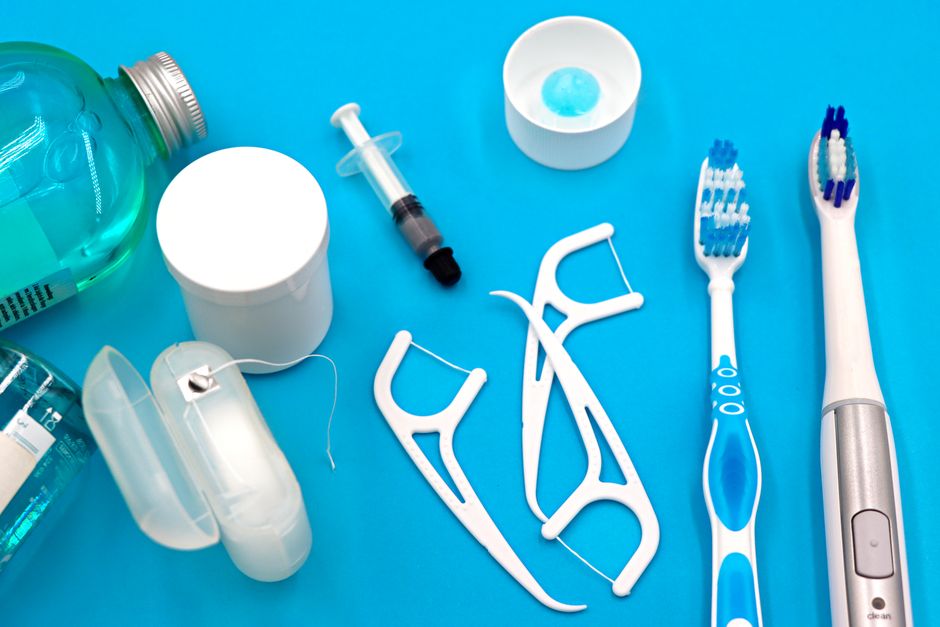
Your mouth is home to billions of bacteria, fungi, and other microorganisms. Together they form the oral microbiome, a living community that shapes not just your breath and teeth, but your risk of gum disease and cavities. Mouthwash does not just wash over this community — it can change it, sometimes within days, depending on what the rinse contains.
How Mouthwash Affects the Oral Microbiome
Mouthwash can reduce the total number of bacteria in your mouth, but it rarely wipes them out completely. The effect depends less on how often you swish and more on what the rinse is made of.
Antibacterial rinses containing chlorhexidine are the most aggressive. Chlorhexidine is a prescription-strength antiseptic used for gum disease and after dental procedures. It kills a broad range of bacteria, and studies have found it reduces bacterial counts substantially in the short term. The problem is that “broad range” means it does not distinguish between harmful bacteria and helpful ones.
Alcohol-based rinses work differently. Alcohol itself has some antibacterial action, but its main role in most products is as a carrier and preservative. A rinse with 20 to 30 percent alcohol does not sterilize your mouth. It reduces some bacteria temporarily, and saliva washes the rest back within hours.
Cosmetic mouthwashes — the ones sold mainly for fresh breath — often contain little more than water, flavoring, and a mild antiseptic. They may mask odor for a short time. They do not meaningfully reshape the microbiome.
What Is the Oral Microbiome and Why Does It Matter?
Your mouth hosts hundreds of bacterial species. Most are harmless or even useful. They help break down food, produce enzymes, and crowd out organisms that could cause disease.
The microbiome is not static. It shifts with what you eat, how often you brush, whether you smoke, and yes — whether you use mouthwash. A healthy community tends to stay in balance. When that balance tips, certain bacteria can overgrow and contribute to cavities, gum inflammation, and bad breath.
Two points are worth separating clearly. First, the oral microbiome is real and well documented — this is not a wellness trend. Second, the idea that a disrupted microbiome directly causes diseases elsewhere in the body is an active area of research, not an established fact. Some studies have found associations between gum disease and conditions like heart disease and diabetes. Whether the oral bacteria cause those problems, or whether both reflect a shared underlying issue, is still being studied.
Does Mouthwash Kill Good Bacteria Too?
Yes. Broad-spectrum antibacterial rinses do not target only the “bad” bacteria.
When chlorhexidine or a strong antiseptic rinse is used, it reduces a wide range of organisms. Some of the bacteria it suppresses are ones that help keep harmful species in check. In the short term, this usually is not a problem — the community tends to recover. With prolonged daily use, the picture changes.
Research on the oral microbiome has found that regular use of antiseptic mouthwash can shift the balance toward species that are more tolerant of the rinse. This does not automatically mean harm, but it does mean the community is being altered in ways that are not fully understood. The honest position: we know the composition changes, and we do not yet know all the long-term consequences of that change.
Can Mouthwash Raise Blood Pressure?
This question comes up because of a specific mechanism. Some bacteria in the mouth convert nitrate from food into nitrite, which the body then uses to help regulate blood pressure. If an antiseptic rinse kills those bacteria, the reasoning goes, blood pressure could rise.
Some studies have explored this. The findings are not consistent, and the effect — where it appears — is generally small. This is a plausible mechanism, not a proven cause of high blood pressure. No major clinical guideline currently recommends avoiding mouthwash to manage blood pressure. If you have hypertension, that is a conversation for your doctor, not a reason to stop rinsing on your own.
Which Mouthwash Ingredients Matter Most?
Not all rinses are built the same. Here is how the main categories differ.
| Type | Main Active Ingredient | Effect on Bacteria | Typical Use |
|---|---|---|---|
| Antiseptic (prescription) | Chlorhexidine | Strong, broad reduction | Short-term, often after dental work |
| Antibacterial (over-the-counter) | Essential oils, cetylpyridinium chloride | Moderate reduction | Daily use for gum health |
| Alcohol-based | Ethanol | Mild, temporary | Fresh breath |
| Fluoride rinse | Sodium fluoride | Minimal antibacterial action | Cavity prevention |
| Cosmetic | Flavoring, water | Little to none | Temporary breath freshening |
Fluoride rinses deserve a note. They are not primarily antibacterial. Their value comes from strengthening tooth enamel and helping prevent cavities. If your goal is cavity prevention, a fluoride rinse plays a different role than an antiseptic one.
Should You Use Mouthwash Every Day?
For most people with healthy mouths, daily mouthwash is not required. Brushing twice a day and cleaning between your teeth does the heavy lifting for oral hygiene. Mouthwash is an add-on, not a replacement.
There are situations where a dentist may recommend a specific rinse:
- After gum surgery or certain dental procedures
- During a flare-up of gum disease
- When brushing is difficult because of braces, a medical condition, or a physical limitation
- When a dentist identifies a high risk of cavities and recommends a fluoride rinse
For routine use, a fluoride rinse or a mild over-the-counter antibacterial rinse is generally a reasonable choice. Long-term daily use of prescription-strength chlorhexidine is typically not recommended without a dentist’s supervision, partly because of its effects on the microbiome and partly because it can stain teeth with extended use.
One practical point many people miss: if you use a fluoride rinse, do not use it immediately after brushing. Rinsing right away can wash away the concentrated fluoride from your toothpaste. Many dentists suggest using a fluoride rinse at a different time of day.
How to Protect Your Oral Microbiome
If you want to keep your oral bacteria in balance while still using mouthwash, the approach is about timing and choice rather than avoidance.
- Choose a rinse that matches your goal — fluoride for cavities, a mild antibacterial for gum health, cosmetic only for breath
- Avoid using a strong antiseptic rinse more often than your dentist advises
- Do not skip brushing or flossing in favor of rinsing
- Give your mouth time between brushing and rinsing if you use both
- Tell your dentist about any rinse you use regularly, including prescription ones
The microbiome is resilient. Short-term disruptions usually reverse once the rinse stops. The concern is not a single use — it is what happens with months or years of daily exposure to a strong antiseptic.
Frequently Asked Questions
Does mouthwash kill all bacteria in your mouth?
No. Even strong antiseptic rinses reduce bacterial numbers without eliminating them, and saliva helps repopulate the mouth within hours. The effect is a reduction, not a clean slate.
Is alcohol-free mouthwash better for your oral microbiome?
Not necessarily. Alcohol-free rinses can still contain antibacterial ingredients like essential oils or cetylpyridinium chloride that affect bacteria. Whether a rinse is alcohol-free matters less than what active ingredients it contains.
Can using mouthwash every day cause harm?
For most people, daily use of an over-the-counter rinse is not known to cause harm. Long-term daily use of prescription-strength chlorhexidine is different and is generally not recommended without a dentist’s supervision.
Should I stop using mouthwash if I am worried about my microbiome?
That is a decision to make with your dentist, not on your own, especially if a rinse was recommended for a specific condition. For routine breath freshening, many people can simply reduce how often they rinse.
