
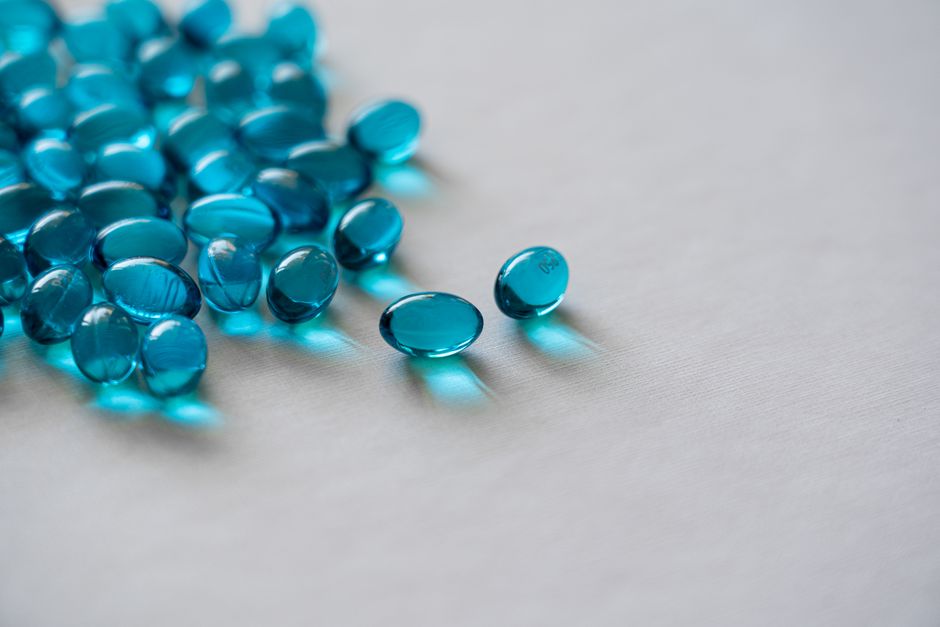
Methylene blue is a synthetic dye with a long history in medicine, and it has recently become a popular ingredient in skin care products. The idea behind it is straightforward: skin aging involves oxidative stress and declining cellular energy production, and methylene blue can influence both of those processes in laboratory settings. Whether that translates into visible skin improvement in people is a different question — one the current evidence does not fully answer.
What Is Methylene Blue and Why Is It Used in Skin Care?
Methylene blue is a compound first synthesized in the late 1800s. It has legitimate medical uses that are well established, including treatment of methemoglobinemia, a condition where hemoglobin cannot carry oxygen properly, and as a staining agent in certain diagnostic procedures.
In skin care, the interest comes from its activity at the cellular level. Methylene blue can act as an antioxidant and can influence mitochondria, the structures inside cells that produce energy. Because skin aging is partly driven by oxidative damage and reduced mitochondrial function, researchers have asked whether methylene blue might slow or reverse some of those changes.
That logic is reasonable. But biological plausibility is not the same as proven benefit. A compound can affect a pathway in a lab dish without producing meaningful results when applied to human skin.
How Does Methylene Blue Work at the Cellular Level?
Methylene blue has a dual nature. At low concentrations, it can accept and donate electrons in ways that help neutralize reactive oxygen species — unstable molecules that damage cells. At higher concentrations, it can actually promote oxidative stress. This dose-dependent behavior is one reason why concentration matters enormously in any product.
The mitochondrial angle is also real. Methylene blue can interact with the electron transport chain, the series of protein complexes that cells use to generate ATP, the energy currency of cells. Some research suggests it may help preserve mitochondrial function under stress. Most of this work has been done in cell cultures and animal models, not in human skin.
There is also evidence that methylene blue affects nitric oxide signaling, which influences blood flow and inflammation. Again, the question is whether topical application delivers enough of the compound to the right layers of skin to matter.
What Does Research Actually Show About Methylene Blue and Skin?
The honest answer is that human data are limited. Some small studies and case reports have looked at topical methylene blue for specific skin conditions, but large, well-controlled trials in healthy skin aging are scarce.
Laboratory research has shown that methylene blue can reduce oxidative damage in skin cells and may support collagen-producing cells called fibroblasts. Collagen is the protein that gives skin structure and firmness, and its decline with age contributes to wrinkles and sagging. But showing that a compound supports fibroblasts in a dish is not the same as showing it reduces wrinkles on a face.
Some researchers have investigated methylene blue for wound healing and for inflammatory skin conditions. Results have been mixed. No clinical evidence currently confirms that topical methylene blue reverses skin aging in humans.
This does not mean it does nothing. It means the evidence is not yet strong enough to make confident claims.



Can Methylene Blue Reduce Wrinkles or Improve Skin Tone?
There is no strong clinical evidence that methylene blue reduces wrinkles or improves skin tone in humans. The marketing around these products often leans on laboratory findings and extrapolates them to visible results. That is a common pattern in skin care, and it is worth recognizing.
What does have solid evidence for improving skin appearance? Sun protection, retinoids, and certain other ingredients with decades of clinical research behind them. Methylene blue may eventually join that list, but it has not yet.
If you see a product claiming that methylene blue “rejuvenates” skin, ask what human studies support that claim. In most cases, the answer is none.
What Are the Risks and Safety Concerns?
Methylene blue is not risk-free, especially at higher concentrations or with certain routes of exposure. When taken orally or intravenously in significant amounts, it can cause nausea, headache, and in rare cases more serious effects. It can interact with certain medications, particularly antidepressants known as SSRIs, and with other drugs that affect serotonin. This interaction can be dangerous.
Topical use is generally considered lower risk, but the skin is not a perfect barrier. Some methylene blue can be absorbed, especially if the skin is damaged or if the product is applied over a large area. No clinical guidelines currently exist for safe topical dosing of methylene blue in pregnant women, infants, or children.
Some people may experience skin irritation, staining, or allergic reactions. Methylene blue stains skin and clothing, sometimes persistently.
Anyone taking medication, especially for depression or other psychiatric conditions, should talk to a healthcare provider before using methylene blue products. This is not a theoretical concern; the interaction with serotonergic drugs is well documented.
How Does Methylene Blue Compare to Established Skin Care Ingredients?
Established ingredients have years or decades of human data behind them. Methylene blue does not.
| Ingredient | Evidence for Skin Aging | Common Use |
|---|---|---|
| Retinoids | Strong; multiple randomized trials | Prescription and OTC |
| Vitamin C | Moderate; some human studies | Serums, creams |
| Niacinamide | Moderate; some human studies | Serums, creams |
| Sunscreen | Strong; prevents photoaging | Daily use |
| Methylene blue | Limited; mostly laboratory data | Emerging products |
This table is not a ranking of effectiveness. It reflects how much human evidence exists for each ingredient’s effect on skin aging. Methylene blue sits at the bottom of that list, not because it is proven ineffective, but because it has not been adequately studied in people.
Should You Use Methylene Blue Skin Care Products?
That is a personal decision, and no one can make it for you. What is clear is that the evidence does not yet support the claims often made about these products.
If you are curious, a few practical points are worth considering:
- Check the concentration. Methylene blue has different effects at different doses, and higher is not necessarily better.
- Be cautious if you take any medication that affects serotonin. The interaction risk is real.
- Do not use it on broken or irritated skin without medical guidance.
- Do not expect results comparable to retinoids or sunscreen, which have far more evidence.
If your goal is younger-looking skin, the basics still matter most: sun protection, not smoking, and a consistent routine with ingredients that have proven benefits. Methylene blue may be an interesting compound, but it is not a substitute for those fundamentals.
Frequently Asked Questions
Does methylene blue actually repair skin?
No clinical evidence currently confirms that topical methylene blue repairs or rejuvenates human skin. Laboratory studies show it can influence oxidative stress and mitochondrial function, but human trials are lacking.
Is methylene blue safe to put on your skin?
Topical use is generally considered lower risk, but some absorption can occur and irritation or staining is possible. No clinical guidelines exist for safe topical dosing in pregnant women, infants, or children.
Can methylene blue interact with medications?
Yes. Methylene blue can interact dangerously with SSRIs and other drugs that affect serotonin. Anyone taking these medications should talk to a healthcare provider before using methylene blue products.
Is methylene blue better than retinol for wrinkles?
No. Retinoids have strong evidence from multiple human trials for reducing wrinkles, while methylene blue has mostly laboratory data. The two are not comparable in terms of proven benefit.
