
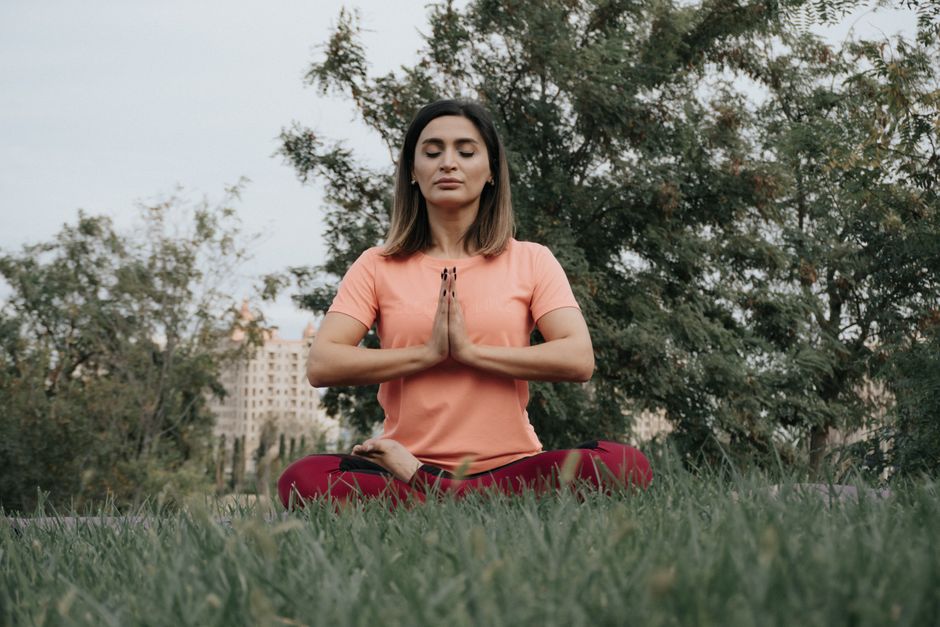
Meditation changes your brain in ways that directly reduce stress, anxiety, and depression. The science shows it lowers cortisol levels, strengthens areas that control emotions, and shrinks the part of the brain linked to fear. This is not vague wellness talk — it is what brain scans and clinical trials have found over the past two decades. If you have been skeptical about meditation, the research might surprise you.
How Does Meditation Actually Change the Brain?
Your brain is not fixed. It changes throughout your life based on what you do and think. This is called neuroplasticity. Meditation speeds up positive changes in this process.
Research from Harvard University found that eight weeks of daily meditation increased gray matter in the hippocampus. That is the part of the brain responsible for memory and emotional control. The same study showed shrinkage in the amygdala, which is your brain’s fear center. A smaller amygdala means less reactivity to stress.
Think of it like this. Every time you sit and focus on your breath, you are telling your brain that safety is more important than survival. Over time, your brain builds new pathways that make calm your default state instead of panic. Studies have found that long-term meditators have thicker prefrontal cortexes — the area that handles decision-making and impulse control.
The changes are not permanent overnight. But the science is clear that consistent practice rewires the brain in measurable ways.
What Does the Science Say About Meditation and Anxiety?
Anxiety is not just feeling nervous. It is your brain’s alarm system stuck in the on position. Meditation helps turn that alarm off.
A 2014 meta-analysis published in JAMA Internal Medicine reviewed over 47 clinical trials involving more than 3,500 people. It found that mindfulness meditation significantly reduced symptoms of anxiety, depression, and pain. The effects were comparable to antidepressant medication for some participants.
Here is how it works on a biological level. When you meditate, you activate your parasympathetic nervous system. That is the “rest and digest” mode. Your heart rate slows. Your blood pressure drops. Your body stops flooding itself with cortisol and adrenaline.
Over time, your brain learns to recognize a false alarm. A racing thought no longer triggers a full panic response. You can observe the thought without reacting to it. That skill alone is what separates someone who manages anxiety from someone who is controlled by it.
Some studies suggest that meditation may work as well as cognitive behavioral therapy for mild to moderate anxiety. That does not mean you should stop therapy or medication. But it means meditation is a legitimate tool, not just a feel-good hobby.
How Meditation Helps Mental Health: The Science of Depression
Depression often involves a loop of negative thoughts that repeat over and over. Meditation breaks that loop.
Research from the University of Oxford found that mindfulness-based cognitive therapy (MBCT) reduced the risk of depression relapse by 43%. That is similar to the effectiveness of maintenance antidepressant medication. The National Institute for Health and Care Excellence in the UK now recommends MBCT as a treatment for recurrent depression.
The mechanism is straightforward. Meditation trains you to notice when your mind has wandered into rumination. Rumination is the habit of replaying painful thoughts on repeat. Once you notice it, you can gently redirect your attention. Over time, the rumination habit weakens.
Brain scans of depressed patients show reduced activity in the default mode network after meditation. That is the network that activates when you are not focused on anything specific. In depressed people, it tends to be overactive and stuck on negative self-referencing. Meditation quiets it down.
This is not a cure. Severe depression requires professional treatment. But the evidence is strong enough that many therapists now include meditation as part of a comprehensive treatment plan.





Does Meditation Help with Stress and Burnout?
Stress is not just in your head. It shows up in your body as tight shoulders, poor sleep, and a racing heart. Meditation addresses the physical side of stress directly.
The American Heart Association reviewed the evidence and concluded that meditation can lower blood pressure and reduce the risk of heart disease. They specifically cited transcendental meditation as having the strongest evidence, though other forms also showed benefits.
Here is a comparison of how different meditation styles affect stress markers:
| Meditation Type | Effect on Cortisol | Effect on Blood Pressure | Best For |
|---|---|---|---|
| Mindfulness meditation | Moderate reduction | Small reduction | Daily stress management |
| Transcendental meditation | Significant reduction | Moderate reduction | Chronic stress and hypertension |
| Loving-kindness meditation | Limited data | Minimal effect | Emotional resilience |
| Body scan meditation | Small reduction | Small reduction | Physical tension and sleep |
Burnout is a different beast. It is not just stress — it is exhaustion from prolonged stress with no recovery. Meditation helps by giving your nervous system a chance to reset. Even five minutes of deep breathing can shift you from fight-or-flight to rest-and-digest.
One study of healthcare workers during the pandemic found that a four-week meditation program reduced burnout scores by 40%. The participants reported better sleep, less emotional exhaustion, and more engagement at work. These are not trivial results.
What Type of Meditation Has the Best Evidence?
Not all meditation is equal in the research. Some styles have been studied much more than others.
Mindfulness meditation has the largest body of evidence. This is the practice of paying attention to the present moment without judgment. It is the basis for most clinical programs like mindfulness-based stress reduction (MBSR) and MBCT. Hundreds of studies support its effectiveness for anxiety, depression, and chronic pain.
Transcendental meditation also has strong evidence, especially for cardiovascular health and stress reduction. It uses a mantra — a specific sound or phrase repeated silently. The technique is standardized, which makes it easier to study in clinical trials.
Loving-kindness meditation focuses on developing compassion for yourself and others. Early research suggests it may help with social anxiety and self-criticism, but the evidence is not as robust. Some people report feeling more connected to others after practicing it regularly.
Body scan meditation involves moving attention slowly through different parts of your body. It is particularly helpful for people with chronic pain or trouble sleeping. The evidence is solid but narrower than mindfulness meditation.
If you are new to meditation, start with mindfulness. It is the most studied and the easiest to learn on your own. Apps like Headspace and Calm have guided sessions based directly on the MBSR protocol. You do not need a teacher or a special space.
What Are the Side Effects of Meditation?
This is the part most articles skip. Meditation is not risk-free for everyone.
Some people report increased anxiety during meditation. This usually happens when someone has unresolved trauma or a history of panic attacks. Sitting quietly with your thoughts can bring up painful material that you have been avoiding. For these individuals, meditation without proper guidance can make symptoms worse.
A 2020 study published in Psychological Medicine found that 25% of long-term meditators reported at least one negative experience related to meditation. These included anxiety, depersonalization, and re-experiencing traumatic memories. The study had limitations — it relied on self-reporting — but the finding is worth taking seriously.
There is also the issue of meditation being used as a way to avoid problems. Some people use it to numb out rather than process emotions. This is sometimes called spiritual bypassing. It is not the fault of the practice itself, but it is a real risk if you use meditation as a substitute for therapy.
If you have a history of trauma, PTSD, or severe mental illness, talk to a mental health professional before starting a meditation practice. Guided meditation with a trained teacher is safer than going solo. The science supports meditation as a tool, but it is not a universal cure.
Common Misconceptions About Meditation and Mental Health
One of the biggest myths is that you need to clear your mind completely. That is not how meditation works. The goal is not to stop thinking — it is to notice when you are thinking and gently return your focus. Even experienced meditators have wandering minds. The practice is in the returning, not the stillness.
Another misconception is that you need to meditate for 30 minutes or more to get benefits. Research shows that even 10 minutes a day can produce measurable changes in brain activity and stress levels. A study from Carnegie Mellon University found that 25 minutes of mindfulness meditation for three consecutive days reduced psychological stress.
Some people believe meditation is a religious practice. While it has roots in Buddhism and Hinduism, the modern clinical versions are secular. MBSR was developed by Jon Kabat-Zinn at the University of Massachusetts Medical School with no religious content. You do not need to adopt any belief system to benefit from the science.
Finally, meditation is not a replacement for medical care. This is widely claimed though strong evidence is limited for meditation as a standalone treatment for serious conditions. It works best alongside therapy, medication, and lifestyle changes. Anyone who tells you meditation can cure depression without professional help is overselling the science.
Practical Steps to Start a Science-Backed Meditation Practice
Start small. Five minutes a day is enough to begin. Use a timer so you are not checking the clock.
- Sit in a comfortable position with your back straight. Close your eyes or lower your gaze.
- Focus on your breath. Notice the sensation of air entering and leaving your nostrils.
- When your mind wanders — and it will — simply notice it and return to your breath. No judgment.
- Do this for five minutes every day for a week. Then increase to ten minutes.
- Use a guided meditation app if you struggle with staying focused. Headspace and Calm both offer free beginner courses.
Consistency matters more than duration. Five minutes every day is better than 30 minutes once a week. The brain changes happen through repetition, not intensity.
If you find yourself getting more anxious, stop and talk to a therapist. Meditation is not for everyone at every moment. Listen to your body and adjust accordingly.
The science is clear that meditation changes the brain in ways that support mental health. But it is a skill, not a magic pill. You have to practice it for the benefits to show up. Most people notice a difference within four to eight weeks of daily practice. That is a short investment for a lifetime of better emotional regulation.
Frequently Asked Questions
How long does it take for meditation to improve mental health?
Most people notice benefits within four to eight weeks of daily practice. Brain scans show measurable changes in gray matter after eight weeks of regular meditation.
Can meditation replace medication for anxiety or depression?
No. Meditation is a complementary tool, not a replacement for prescribed medication or professional therapy. Always consult your doctor before changing any treatment plan.
What is the best type of meditation for beginners?
Mindfulness meditation has the strongest evidence and is easiest to learn on your own. Guided sessions from apps like Headspace or Calm are a good starting point.
Is it normal to feel worse after meditating?
Some people experience increased anxiety or discomfort, especially if they have unresolved trauma. If this happens, stop and speak with a mental health professional before continuing.
