
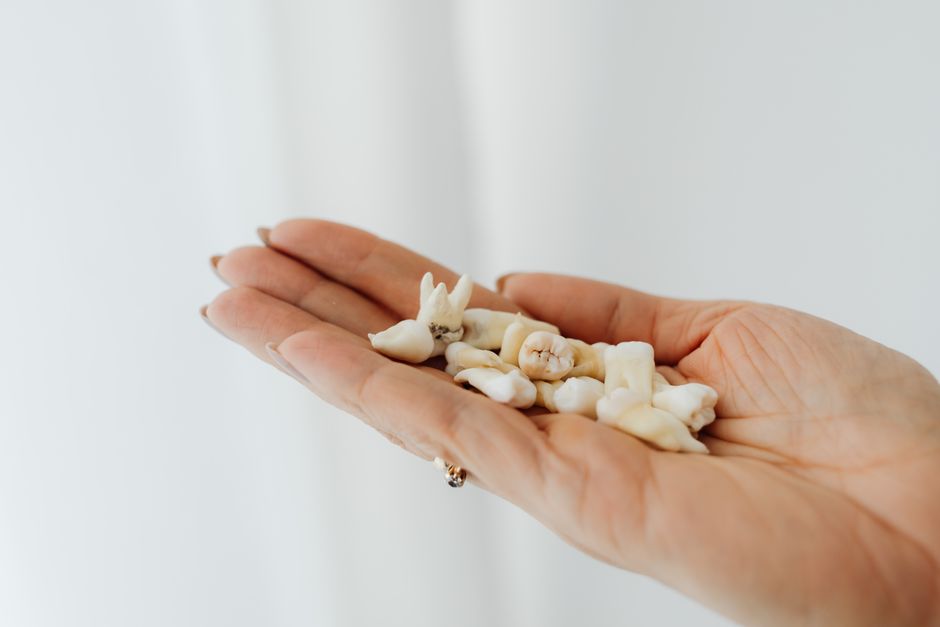
Losing teeth is not a normal part of getting older. A healthy adult who brushes, flosses, and gets regular dental care can keep all 32 teeth for life. The idea that you are “supposed to” lose a certain number is a myth.
There is no healthy number of adult teeth to lose. The only teeth humans are supposed to lose are the 20 baby teeth, which fall out on a predictable schedule during childhood. After that, every permanent tooth is meant to last a lifetime.
How Many Baby Teeth Do Children Lose?
Children lose 20 primary teeth, also called baby teeth or deciduous teeth. These are the only teeth the human body is designed to shed.
Baby teeth start appearing around 6 months of age. They begin to loosen and fall out around age 6, and the process usually finishes by age 12 or 13. The order tends to follow the same pattern: the two bottom front teeth go first, then the two top front teeth, and the rest follow over the next several years.
By the end, a child has lost 10 teeth from the upper jaw and 10 from the lower jaw. Those 20 baby teeth are replaced by 32 permanent teeth, which includes four wisdom teeth.
How Many Permanent Teeth Are Adults Supposed to Lose?
The answer is zero. No permanent tooth is meant to be lost.
Adults have up to 32 permanent teeth: 8 incisors, 4 canines, 8 premolars, and 12 molars (including the 4 wisdom teeth). Each one is built to last decades. Enamel, the outer layer of a tooth, is the hardest substance in the human body.
When a permanent tooth is lost, it does not grow back. That is the key difference between baby teeth and adult teeth. Baby teeth fall out because the roots dissolve to make room for the permanent tooth underneath. Permanent teeth have no replacement waiting.
So when you read that the average adult has lost a certain number of teeth by a certain age, that is not a target. It is a measure of how common dental disease is, not how many teeth you are supposed to lose.
Why Do So Many Adults Lose Teeth?
Most adult tooth loss comes from two preventable conditions: gum disease and tooth decay.
Gum disease, or periodontal disease, is the leading cause of tooth loss in adults. It starts as gingivitis, which is inflammation of the gums. If plaque is not removed, it hardens into tartar, and the infection can spread below the gumline. Over time, the bone that holds teeth in place can break down. When that support is gone, teeth loosen and may need to be removed.
Tooth decay is the other major cause. Bacteria in the mouth feed on sugar and produce acid. That acid wears through enamel and creates cavities. A cavity that reaches the pulp can kill the tooth and lead to infection.
Other reasons adults lose teeth include:
- Injury or trauma to the mouth
- Severe infection that cannot be treated
- Certain medical conditions and treatments
- Smoking, which raises the risk of gum disease
- Untreated cavities that progress too far
Notice what is not on that list: age by itself. Getting older does not cause teeth to fall out. The damage that accumulates over time does.



Does Everyone Lose Teeth as They Get Older?
No. Tooth loss is common, but it is not inevitable.
Rates of complete tooth loss have dropped in the United States over recent decades. Better fluoride exposure, improved dental care, and more awareness of gum health have helped. Still, many adults lose at least one permanent tooth, and the risk is higher for people with limited access to dental care, smokers, and those with conditions like diabetes that affect gum health.
This is where a common assumption breaks down. People often think a few missing teeth by their 60s or 70s is just normal aging. It is not normal in the sense of being unavoidable. It reflects what happened to those teeth over a lifetime, not the passage of time itself.
What Happens When You Lose a Permanent Tooth?
A missing tooth is not just a cosmetic issue. The gap sets off changes in your mouth.
The jawbone in that spot starts to shrink because it no longer gets the stimulation that chewing provides. Nearby teeth can tilt into the empty space. The opposing tooth may drift because it no longer meets a partner when you bite. These shifts can affect how you chew and can make cleaning harder, which raises the risk of more decay and gum disease.
For those reasons, dentists often recommend replacing a lost tooth. Options include dental implants, bridges, and partial dentures. Each has trade-offs. Implants replace the root and help preserve bone, but they require surgery and healthy gum tissue. Bridges are faster but rely on neighboring teeth for support. No option is right for everyone, and the choice depends on your mouth, your health, and your budget.
What matters most is that the decision is made with a dentist who can look at your specific situation. A missing tooth left alone for years can make future replacement harder.
How Can You Keep Your Teeth for Life?
Keeping all your permanent teeth is realistic for most people. The habits that protect them are well established.
- Brush twice a day with fluoride toothpaste
- Clean between teeth daily with floss or another interdental tool
- See a dentist for regular checkups and professional cleanings
- Limit sugary drinks and snacks
- Do not smoke
- Manage conditions like diabetes that affect gum health
Gum disease often causes no pain in its early stages. That is why regular dental visits matter. A dentist can spot problems before they become irreversible. Once bone loss from gum disease happens, it cannot be fully reversed, but it can be slowed or stopped with treatment.
What About Wisdom Teeth?
Wisdom teeth are the four molars at the very back of the mouth. They usually appear between ages 17 and 25. Many people do not have room for them, so they become impacted or grow in at an angle.
When a wisdom tooth causes problems or cannot be kept clean, a dentist may recommend removing it. That removal is a clinical decision, not a routine loss. Some people keep healthy wisdom teeth for life. Others have them taken out to prevent future issues. Either way, it is not the same as losing a tooth to disease.
How Many Teeth Are You Supposed To Lose? The Bottom Line
You are supposed to lose 20 baby teeth in childhood. As an adult, you are not supposed to lose any.
Any permanent tooth you lose is the result of disease, injury, or another cause. It is not a normal milestone. The number to aim for is zero, and for most people who take care of their teeth, that number is within reach.
Frequently Asked Questions
How many teeth does a child lose?
A child loses 20 baby teeth, usually between ages 6 and 12. These are replaced by up to 32 permanent teeth.
Is it normal to lose teeth as you get older?
No, losing permanent teeth is not a normal part of aging. It usually results from gum disease, decay, or injury, all of which can often be prevented or treated.
Can you regrow a permanent tooth once it falls out?
No, humans cannot regrow permanent teeth. Once an adult tooth is lost, it needs to be replaced with an implant, bridge, or denture if you want to restore the gap.
How many teeth should a healthy adult have?
A healthy adult can have up to 32 teeth, including wisdom teeth. Many adults have 28 if their wisdom teeth were removed, and that is still a full, healthy set.
