
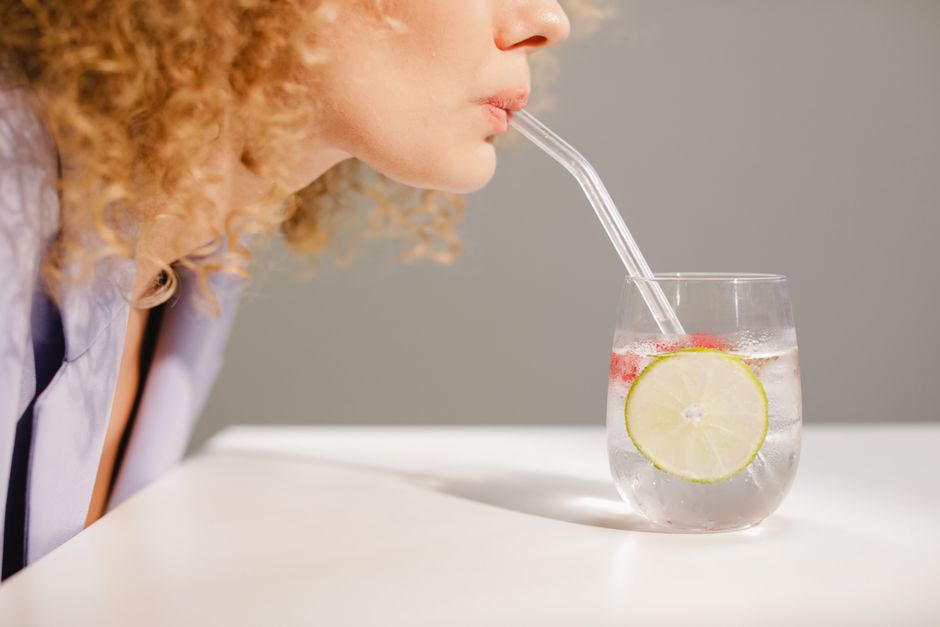
A standard glass of water in the United States holds about 8 ounces. That is the conventional answer, and it comes from the familiar 8-by-8 rule — eight glasses of 8 ounces each, or 64 ounces a day. But the 8-ounce glass is a custom, not a rule. Glasses come in many sizes, and the ounces they hold vary widely depending on the type of glass and what is being served in it.
Knowing how many ounces are in a glass matters for tracking hydration, following a recipe, measuring medicine, or reading nutrition labels. The number changes with the glass. A juice glass, a wine glass, a pint glass, and a drinking glass all hold different amounts.
How Many Oz In A Glass?
A typical drinking glass holds 8 to 12 ounces. The 8-ounce figure is the most common reference point in the US, and it is the amount most people picture when they hear “a glass of water.”
There is no official standard that defines the size of a drinking glass. Unlike a cup, which is a defined unit equal to 8 fluid ounces in US customary measurement, a “glass” is not a formal unit of measure. When a recipe or a health guideline says “a glass,” it usually means 8 ounces, but that is a convention rather than a fixed standard.
Here is where the confusion often starts: a measuring cup and a drinking glass both get called “a cup” in casual speech, but they are not the same thing. A US customary cup is exactly 8 fluid ounces. A coffee mug in your cabinet might hold 12 ounces or more. If you fill that mug and count it as one cup, you are actually drinking about 1.5 cups.
For most everyday purposes, treating a glass as 8 ounces is reasonable. For anything that requires precision — medication, infant formula, baking — use a measuring cup or a marked container, not a drinking glass.
How Many Ounces Do Different Types of Glasses Hold?
Glass sizes vary by type and purpose. The ranges below reflect common sizes sold in the US, though individual products vary.
- Water glass or tumbler: commonly 8 to 12 ounces
- Juice glass: commonly 4 to 6 ounces
- Coffee mug: commonly 8 to 12 ounces, sometimes larger
- Wine glass: commonly 5 to 8 ounces when filled to a standard serving, though the glass itself may hold far more
- Pint glass: 16 ounces in the US
- Shot glass: 1.5 ounces in the US
The wine glass deserves a note. A large wine glass may hold 20 ounces or more, but a standard serving of wine is 5 ounces. The glass size and the pour size are two different numbers, and people often mistake one for the other. Research on wine pouring has found that people tend to pour more into wider glasses, which makes the glass size relevant to how much alcohol someone actually drinks.
Why Does the 8-Ounce Glass Matter for Hydration?
The 8-ounce glass became a convenient way to talk about daily water intake. The old advice of eight 8-ounce glasses equals 64 ounces, or about 1.9 liters. It is easy to remember and easy to repeat.
The problem is that 64 ounces is not an official recommendation, and it never was. General guidance on fluid intake from major health organizations is based on total daily fluids from all sources, including food, and it varies by sex, activity level, climate, and health status. The National Academies of Sciences, Engineering, and Medicine set general adequate intake figures of about 2.7 liters (roughly 91 ounces) of total fluid per day for women and about 3.7 liters (roughly 125 ounces) for men. Those figures include water from food and other beverages, not just plain water.
In other words, the 8-ounce glass is a useful measuring tool, not a target you have to hit a fixed number of times. Someone who drinks from a 12-ounce tumbler needs fewer refills to reach the same amount as someone using an 8-ounce glass.
Thirst is a reasonable guide for most healthy adults. People who are very active, live in hot climates, are pregnant or breastfeeding, or take certain medications may need more, and a clinician can advise on individual needs.
How Do You Measure Ounces in a Glass Accurately?
Use a liquid measuring cup if you need an accurate number. Fill the glass, then pour the contents into the measuring cup to see the actual volume. Eyeballing the side of a glass is unreliable because glass shapes taper and curve.
For a quick estimate, know the capacity of your usual glass once. Fill it with a measuring cup, note the number, and remember it. Most people drink from the same two or three glasses every day, so a single measurement covers most of their routine.
For anything medical — liquid medication, infant formula, or a prescribed amount of fluid — use the dosing cup or syringe that comes with the product. Household spoons and drinking glasses are not accurate enough for medicine dosing, and the difference between a teaspoon and a tablespoon is a factor of three.
Does the Type of Liquid Change the Ounce Count?
No. A fluid ounce is a measure of volume, and 8 fluid ounces of water, milk, or juice all occupy the same space. The ounce count of a glass depends on its volume, not on what you put in it.
One distinction is worth knowing. A fluid ounce measures volume, while an ounce on a food scale measures weight. For water they happen to be close, because a fluid ounce of water weighs about one ounce. For other liquids they can differ. Honey, for example, is denser than water, so a fluid ounce of honey weighs more than an ounce. This matters in baking and in reading nutrition labels, which sometimes list volume and sometimes list weight.
How Many Ounces Are in a Glass Around the World?
Glass sizes differ by country, and so do the units. In the US, a fluid ounce is about 29.57 milliliters. In the UK, an imperial fluid ounce is about 28.41 milliliters, slightly smaller. A UK pint is 20 imperial fluid ounces, while a US pint is 16 US fluid ounces.
This means a “glass” in a British recipe and a “glass” in an American recipe may not be the same amount. When following a recipe from another country, convert using the measurement system it uses rather than assuming an 8-ounce glass.
Metric countries often measure drinks in milliliters or liters. A 250-milliliter glass is about 8.5 US fluid ounces, close to the American standard. A 330-milliliter can is about 11 US fluid ounces.
What About the 8-Glasses-a-Day Rule?
The eight-glasses-a-day rule is a simplification, not a clinical guideline. It is easy to remember, which is likely why it spread, but it does not account for body size, activity, climate, or the water people get from food.
Water needs vary. Fruits and vegetables contain water, and so do coffee, tea, and other beverages. For most healthy adults, drinking to thirst and keeping urine pale yellow is a reasonable everyday guide. People with certain heart, kidney, or liver conditions may be told to limit fluids, and they should follow their clinician’s advice rather than a general rule.
The 8-ounce glass remains a handy unit for counting. If you drink from a 12-ounce glass, three refills is 36 ounces, and the math is simple enough to do in your head. The number of glasses matters less than the total volume.
Frequently Asked Questions
How many oz is a glass of water?
A standard glass of water in the US holds about 8 ounces. Many household drinking glasses hold 8 to 12 ounces, so the exact amount depends on the glass.
Is 8 oz the same as 1 cup?
Yes. In US customary measurement, 1 cup equals 8 fluid ounces. A drinking glass that holds 8 ounces holds the same volume as 1 measuring cup.
How many ounces is a normal drinking glass?
Most everyday drinking glasses hold between 8 and 12 ounces. Tumblers tend to be larger, while juice glasses are usually smaller at 4 to 6 ounces.
How many 8 oz glasses are in a liter?
One liter is about 33.8 US fluid ounces, which equals roughly 4.2 glasses of 8 ounces. Two liters is about 67.6 ounces, or roughly 8.5 glasses of 8 ounces.
