
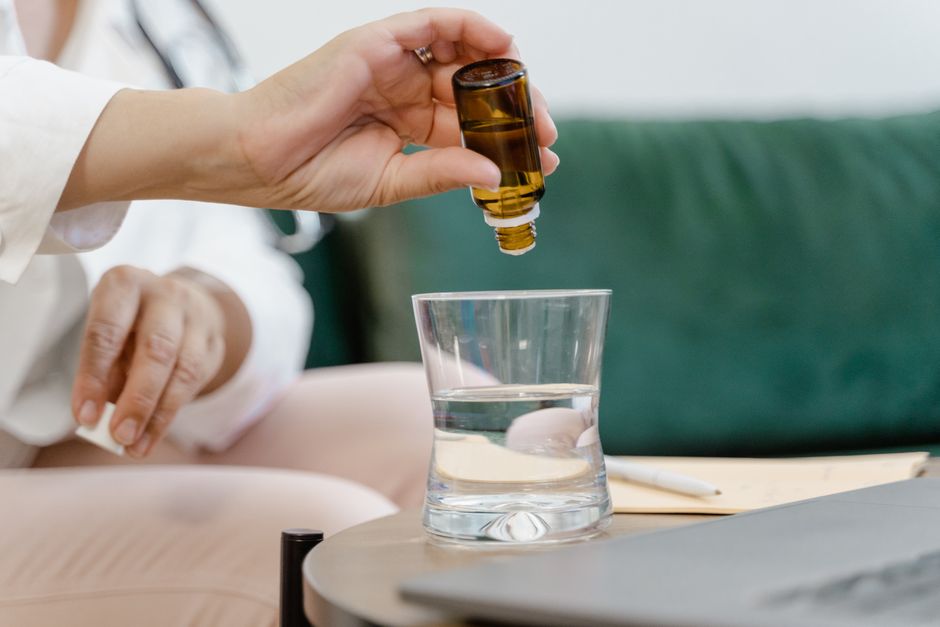
A standard glass of wine contains about 150 millilitres in the United States. That is the reference pour most people mean when they ask. But the real answer depends on where you are, what you are drinking from, and whether you are measuring a restaurant pour, a home pour, or a bottle split between friends.
Wine glasses come in every size and shape, and most hold far more than a single serving. Understanding the difference between a “glass” and a “standard drink” matters for anyone tracking alcohol intake for health reasons.
How Many Millilitres In A Glass Of Wine?
In the US, a standard glass of wine is generally treated as 150 millilitres, which is roughly 5 fluid ounces. This is the figure used in most nutrition guidance and alcohol awareness material. It is also close to what many restaurants pour as a “standard” glass, though actual pours vary widely.
A 750 millilitre bottle of wine holds five standard 150 millilitre glasses. That math is clean and useful. If you split a bottle with one other person, you are each drinking about two and a half standard glasses, not one.
Restaurant pours deserve a note. A “large” glass at a bar or restaurant can run 175 to 250 millilitres. A generous home pour into a wide glass can easily hit 200 millilitres or more without looking unusual. The glass shape hides the volume. A wide bowl filled one-third of the way can hold more than a narrow glass filled to the top.
How Does a Standard Pour Differ Around the World?
Countries set their own reference amounts for a standard drink, and wine glasses follow local norms. The US uses 150 millilitres as the reference. The United Kingdom uses 175 millilitres as its standard large glass measure, and many pubs serve wine in 125 millilitre or 175 millilitre measures. Australia and New Zealand commonly use 150 millilitres. In parts of Europe, a restaurant pour might be 100 millilitres or 125 millilitres.
The variation is real, and it matters. Two people having “one glass of wine” in different countries may be drinking meaningfully different amounts of alcohol.
- United States: about 150 millilitres (5 fl oz) per standard glass
- United Kingdom: 125 millilitres (small) or 175 millilitres (large)
- Australia and New Zealand: about 150 millilitres
- Parts of Europe: 100 to 125 millilitres at many restaurants
These are reference standards, not guarantees. A pour is a pour. What is written on a menu and what lands in the glass are not always the same.
Why Does the Size of the Glass Matter So Much?
Glass size changes how much people pour and how fast they drink. Research on this topic has found that people pour more wine into wider glasses than into narrower ones, even when asked to pour a standard amount. The glass shape distorts perception. A wide bowl makes a small volume look like less.
This is not a small detail. If you are trying to track how much you drink, the glass itself is working against your estimate. A 150 millilitre pour into a large wine glass can look modest. The same 150 millilitres in a smaller glass looks generous.
There is a practical fix that does not require willpower. Use a measuring cup or a marked pour spout once to see what 150 millilitres actually looks like in your usual glass. Most people are surprised. The visual calibration sticks.
How Much Alcohol Is in a 150 Millilitre Glass of Wine?
A 150 millilitre glass of wine at 12% alcohol by volume contains about 18 millilitres of pure alcohol. That is the standard drink reference used in US dietary guidance, which defines one drink as 14 grams of pure alcohol. Wine at 12% ABV in a 150 millilitre pour lands close to that mark.
Alcohol content in wine varies. Many wines run 11% to 14% ABV. Some run higher. A 150 millilitre glass of a 14.5% wine contains more alcohol than a 150 millilitre glass of an 11% wine, even though the volume is identical. The millilitres tell you the pour size. The ABV tells you the alcohol load.
This distinction trips people up. Two glasses of wine are not always two standard drinks. A higher-alcohol wine in a larger pour can easily equal one and a half or two standard drinks in a single glass.
Does “One Glass” Mean One Standard Drink?
Not reliably. A standard drink and a glass of wine are different concepts, and conflating them is one of the most common sources of confusion about alcohol intake.
A standard drink is a fixed amount of pure alcohol. A glass is a vessel and a pour, and its volume varies. When public health guidance says “moderate drinking” means up to one drink per day for women and up to two per day for men, it means standard drinks, not whatever your glass holds.
For wine at around 12% ABV, one standard drink is roughly 150 millilitres. For stronger wine, one standard drink is less than 150 millilitres. For a large restaurant pour of a strong wine, one glass can exceed one standard drink.
If you want to track intake accurately, measure the pour and check the ABV on the label. That combination gives you a real number. Guessing from glass size gives you an estimate that skews low.
What Does This Mean for Health Guidance on Alcohol?
Health guidance on alcohol has shifted in recent years, and the shift is worth understanding plainly. For decades, moderate drinking was framed as potentially protective for heart health. That framing has weakened considerably as research methods improved.
Newer and larger studies have found that much of the apparent benefit of moderate drinking disappears when researchers account for how the comparison groups are chosen. People who drink moderately tend to differ from people who abstain in ways that affect health independent of alcohol. When those differences are accounted for, the protective effect largely fades.
Current guidance from major health bodies emphasizes that less alcohol is better for health overall, and that no level of drinking can be recommended as beneficial. The evidence on this has moved. Anyone relying on older “a glass of red wine is good for your heart” messaging is working from an outdated picture.
What remains clear is the dose relationship. Heavier drinking carries higher risks. The millilitre question matters because it determines the dose. A 250 millilitre pour is not the same as a 150 millilitre pour, and the difference compounds over weeks and months.
How Can You Measure a Glass of Wine Accurately?
The simplest accurate method is a kitchen measuring cup. Pour 150 millilitres of water into your usual wine glass and look at the level. That visual reference is more reliable than any estimate.
For people who want more precision, a marked pour spout or a small kitchen scale works well. Wine weighs close to water, so 150 millilitres is roughly 150 grams. Weighing the glass before and after a pour gives an exact volume without guesswork.
Restaurant pours are harder to control, but you can ask for a smaller pour or a measured pour. Many restaurants offer 125 millilitre or 150 millilitre options. Asking is reasonable and increasingly common.
None of this is about restriction for its own sake. It is about knowing what you are actually drinking. The gap between a perceived glass and a real standard drink is often larger than people expect, and closing that gap is the first step toward any honest accounting of alcohol intake.
Frequently Asked Questions
How many millilitres are in a standard glass of wine?
In the US, a standard glass of wine is about 150 millilitres, or 5 fluid ounces. Restaurant and home pours often run larger, sometimes 175 to 250 millilitres.
How many glasses of wine are in a 750ml bottle?
A standard 750 millilitre bottle holds five 150 millilitre glasses. Larger pours reduce that number, so a bottle may yield only three or four generous glasses.
Is 150ml of wine one standard drink?
At around 12% alcohol by volume, 150 millilitres of wine is close to one US standard drink, which is 14 grams of pure alcohol. Higher-alcohol wines contain more alcohol in the same volume.
Does the type of wine glass change how much I pour?
Yes. Research indicates people pour more into wider glasses than narrower ones, even when trying to pour a standard amount. Using a measuring cup once to calibrate your usual glass helps.
