
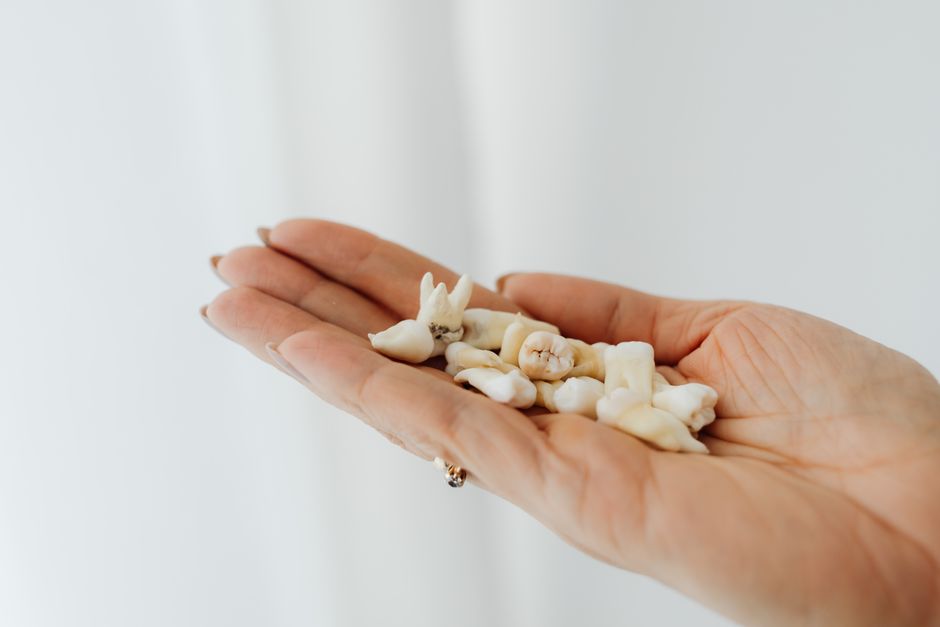
Children lose all 20 of their milk teeth, also called primary or baby teeth. They start losing them around age 6 and usually finish by age 12 or 13. The process happens in a predictable order, but the timing varies a lot from one child to the next.
Milk teeth are not permanent, but they matter more than many parents realize. They help children chew, speak clearly, and hold space in the jaw so adult teeth can come in correctly. Understanding when they fall out and why can take some of the worry out of the loose-tooth years.
How Many Milk Teeth Do You Lose?
You lose 20 milk teeth in total. That is the full set of primary teeth a child develops, and every one of them is eventually replaced by an adult tooth.
The 20 primary teeth are made up of:
- 8 incisors (four on top, four on the bottom) — the front teeth used for biting
- 4 canine teeth — the pointed teeth beside the incisors
- 8 molars — the back teeth used for grinding
These 20 teeth are gradually replaced by 32 permanent teeth. The extra 12 adult teeth are the premolars and the wisdom teeth, which do not have a baby tooth counterpart. That is a detail many people miss: the adult mouth holds more teeth than the child mouth, not just bigger versions of the same ones.
When Do Children Lose Milk Teeth?
Most children lose their first tooth around age 6, and the last milk tooth typically falls out between ages 12 and 13. The American Dental Association describes this general window, though normal variation on either side is common.
A few things influence timing:
- Genetics. If a parent lost teeth early or late, their child often follows a similar pattern.
- When the first tooth came in. Children who teethed early sometimes lose teeth early too, though the link is not exact.
- Sex. Girls tend to lose teeth slightly earlier than boys on average.
Losing a first tooth before age 4 or having no loose teeth by age 8 are both worth mentioning to a dentist. Neither is automatically a problem, but a dentist can check that development is on track.
Which Milk Teeth Fall Out First?
The lower front teeth are usually the first to go. The two bottom central incisors tend to loosen first, followed by the top front teeth.
A rough order of loss looks like this:
- Ages 6 to 7: lower central incisors (the two middle bottom teeth)
- Ages 7 to 8: upper central incisors (the two middle top teeth)
- Ages 8 to 9: lower and upper lateral incisors (the teeth beside the middle ones)
- Ages 9 to 12: first molars and canine teeth
- Ages 10 to 13: second molars, the last milk teeth to fall out
This timeline is a general guide, not a schedule. Some children lose teeth in a slightly different order, and that is usually still normal. The order matters less than the overall pattern of steady progress.





Why Do Milk Teeth Fall Out?
Milk teeth fall out because a permanent tooth grows underneath them and pushes upward. As the adult tooth rises, it dissolves the root of the baby tooth above it.
This process is called root resorption. The root slowly breaks down and is absorbed by the body, which leaves the baby tooth held in place by very little. That is why a tooth that was firm one week can be loose the next. Once the root is mostly gone, the tooth detaches and falls out.
This is also why pulling a tooth too early can be a problem. If the adult tooth is not yet ready to come through, the space left behind can let neighboring teeth shift. A dentist can tell whether a tooth is truly ready to come out or should be left alone.
What Should You Do When a Milk Tooth Is Loose?
Let a loose milk tooth come out on its own when possible. Most baby teeth detach naturally within a few weeks of becoming very loose.
A few practical points:
- Encourage gentle wiggling with a clean finger or the tongue. This is generally fine and can help the tooth separate naturally.
- Avoid tying string to a doorknob or using force. These methods can damage the gum or the adult tooth underneath and are not recommended.
- Expect a little blood. A small amount of bleeding is normal when a tooth comes out. Biting on clean gauze or a tissue for a few minutes usually stops it.
- Keep the area clean. Gentle brushing and rinsing with water help the gum heal.
Some clinicians advise against pulling a tooth that is only slightly loose, since it can be painful and may not be ready. If a tooth is very loose but stuck for weeks, or if a child is in pain, a dentist can help.
Why Milk Teeth Matter Even Though They Fall Out
Milk teeth do real work while they are there. They help a child chew food properly, form clear speech sounds, and hold space in the jaw for the adult teeth forming underneath.
When a baby tooth is lost too early to decay or injury, the teeth beside it can drift into the gap. That can leave too little room for the adult tooth, which may then come in crooked or become crowded. This is one reason dentists treat cavities in baby teeth rather than waiting for them to fall out.
Primary teeth also have thinner enamel than adult teeth, which makes them more prone to decay. Regular brushing with fluoride toothpaste and routine dental visits help protect them during the years they are needed. The American Academy of Pediatric Dentistry recommends a first dental visit by a child’s first birthday or when the first tooth appears.
When to See a Dentist About Milk Teeth
Most tooth loss is routine, but some situations are worth a dental check. These include a tooth that is knocked out by injury, a loose tooth that stays loose for many weeks, or a permanent tooth that starts coming in before the baby tooth has fallen out.
Other reasons to check in:
- A child has not lost any teeth by around age 8
- A baby tooth is lost very early, before age 4, from decay or injury
- There is pain, swelling, or a fever along with a loose tooth
- A permanent tooth appears to be coming in behind or beside a baby tooth
These signs do not always mean something is wrong, but a dentist can confirm whether development is on track. Early checks are simpler than fixing problems later.
Frequently Asked Questions
How many milk teeth does a child lose?
A child loses all 20 milk teeth. Each one is eventually replaced by a permanent tooth.
At what age do children stop losing milk teeth?
Most children lose their last milk tooth between ages 12 and 13. The exact timing varies from child to child.
Is it normal to lose a milk tooth at age 4?
Losing a tooth at age 4 is earlier than usual but not always a problem. It is worth mentioning to a dentist, especially if the tooth was lost to decay or injury.
Should you pull out a loose milk tooth?
It is usually best to let a loose milk tooth fall out on its own. Pulling a tooth that is not ready can cause pain or damage the gum, so let a dentist advise if it stays stuck.
