
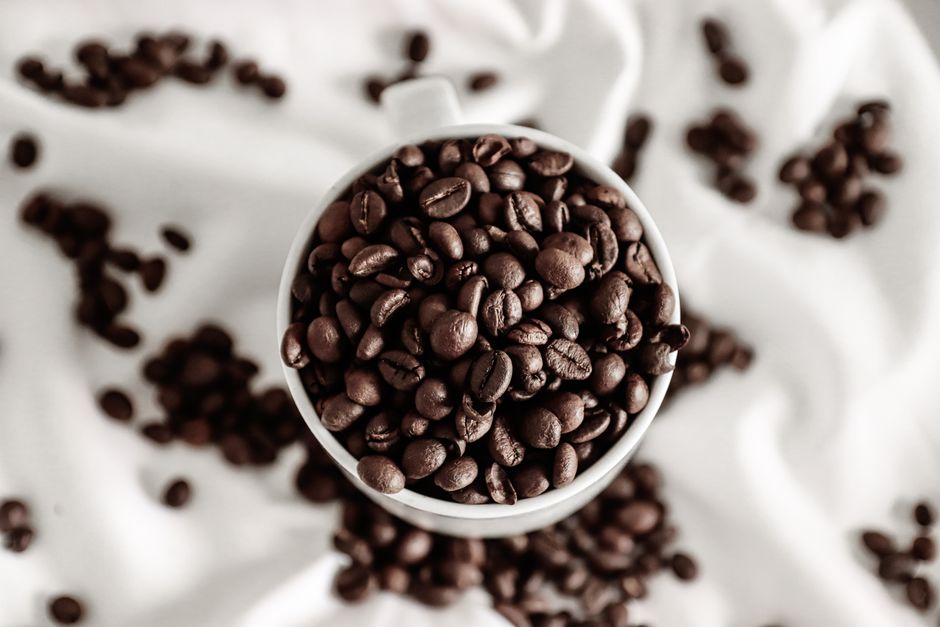
A standard 8-ounce cup of brewed coffee contains roughly 95 milligrams of caffeine. That number is a reliable average, but the actual amount in your mug can range from as little as 65 milligrams to well over 150 milligrams. The type of bean, the roast, and the way you brew all change the final count.
What Determines the Caffeine in Your Cup?
Several factors decide how much caffeine ends up in your coffee. The most important is the type of coffee bean. Arabica beans, which make up most specialty coffee, naturally contain less caffeine than Robusta beans. Robusta is often used in instant coffee and some espresso blends because it is cheaper and has a stronger, more bitter taste.
The roast level also matters, but not in the way most people expect. Dark roasts do not have more caffeine than light roasts. The roasting process actually reduces caffeine slightly. A light roast and a dark roast from the same bean will have nearly identical caffeine content by weight. The difference becomes noticeable only when you measure by scoop rather than by weight, because dark roasts expand more and take up more space in the scoop.
Brewing method is the biggest variable. The longer water touches the grounds, the more caffeine it extracts. This is why a cup of French press coffee, which steeps for several minutes, often has more caffeine than a cup of drip coffee, even when both use the same amount of coffee.
How Much Caffeine Is in Different Coffee Drinks?
Not all coffee drinks deliver the same caffeine punch. The serving size and preparation method change the total dramatically. Here is a breakdown of common coffee drinks and their typical caffeine content.
| Drink | Serving Size | Typical Caffeine |
|---|---|---|
| Brewed coffee | 8 ounces | 95 mg |
| Espresso | 1 ounce | 63 mg |
| Instant coffee | 8 ounces | 60 mg |
| Decaf brewed coffee | 8 ounces | 2 to 5 mg |
| Cold brew concentrate | 8 ounces | 150 to 200 mg |
These are averages from USDA food composition data. Your actual drink may differ. A single shot of espresso from one café might contain 50 milligrams while another café’s shot contains 75 milligrams. The coffee beans, the grind size, and the barista’s technique all play a role.
Cold brew deserves special attention. It is often served as a concentrate mixed with water or milk. The concentrate itself can contain 200 milligrams or more per 8 ounces. When you order cold brew at a café, you are usually getting a diluted version. Check the label if you buy bottled cold brew, because the caffeine content varies widely by brand.
Does the Size of Your Cup Matter?
Yes, and this is where many people underestimate their caffeine intake. A standard “cup” in nutrition data is 8 ounces. But most coffee mugs hold 12 to 16 ounces. A typical travel mug holds 16 ounces. If you fill a 16-ounce mug with brewed coffee, you are getting roughly 190 milligrams of caffeine, not 95.
This distinction matters for people tracking their daily intake. Health authorities generally consider up to 400 milligrams of caffeine per day safe for healthy adults. That is about four 8-ounce cups of brewed coffee. But if your mug holds 16 ounces, two full mugs put you at that limit.
Espresso drinks complicate the math further. A standard latte or cappuccino contains one or two shots of espresso. A single shot adds about 63 milligrams. A 16-ounce latte with two shots contains roughly 126 milligrams of caffeine. That is less than a 16-ounce cup of drip coffee, even though the latte feels like a bigger drink.





How Does Caffeine Actually Work in Your Body?
Caffeine works by blocking adenosine receptors in the brain. Adenosine is a compound that builds up during the day and makes you feel sleepy. When caffeine occupies those receptors, adenosine cannot do its job, so you stay alert.
The effects begin within 15 to 45 minutes of drinking coffee. Peak blood levels occur about an hour after consumption. The half-life of caffeine, meaning the time it takes your body to eliminate half of it, is roughly 3 to 5 hours in most healthy adults. This means if you drink a 95-milligram cup at 8 a.m., about 48 milligrams are still in your system by 1 p.m.
Several factors affect how fast you process caffeine. Pregnancy slows caffeine metabolism significantly. Smokers process caffeine faster than non-smokers. Some people carry a genetic variation that makes them slow metabolizers, meaning caffeine stays in their system much longer and affects them more strongly.
Is 400 Milligrams a Safe Daily Limit?
The 400-milligram guideline is well established. The U.S. Food and Drug Administration, the European Food Safety Authority, and Health Canada all cite this as a reasonable limit for healthy adults. This is not a strict safety cutoff. Exceeding it does not automatically cause harm, but the risk of side effects increases.
Side effects of too much caffeine include jitteriness, anxiety, rapid heart rate, digestive upset, and trouble sleeping. These effects vary greatly from person to person. Someone who rarely drinks coffee may feel anxious after 100 milligrams. A regular coffee drinker may feel nothing after 300 milligrams.
Pregnant women are advised to consume less. The American College of Obstetricians and Gynecologists recommends that pregnant women limit caffeine to under 200 milligrams per day. This is about one 12-ounce cup of coffee. The evidence on caffeine and pregnancy outcomes is not fully settled, but the conservative guideline reflects caution rather than proven harm at higher levels.
People with certain medical conditions should be more careful. Those with anxiety disorders, arrhythmias, or gastroesophageal reflux disease often find that caffeine worsens their symptoms. If you have one of these conditions, talk to your doctor about how much caffeine is appropriate for you.
Does Decaf Really Have No Caffeine?
Decaf coffee is not caffeine-free. The decaffeination process removes roughly 97 percent of the caffeine from the beans. An 8-ounce cup of decaf brewed coffee still contains about 2 to 5 milligrams of caffeine. This is negligible for most people, but it can matter for someone who is highly sensitive or following strict medical advice.
Some people drink decaf in the evening and assume they will sleep fine. For most people, 3 milligrams of caffeine will not interfere with sleep. However, a small percentage of the population is extremely sensitive to caffeine and may notice even small amounts. If you are one of these people, consider that even decaf contains a trace amount.
How Can You Estimate Your Actual Caffeine Intake?
The most accurate way to know your caffeine intake is to measure your coffee. A standard coffee scoop holds about 2 tablespoons of ground coffee, which weighs roughly 10 grams. Drip coffee made with this amount typically produces about 95 milligrams of caffeine per 8 ounces. If you use a heaping scoop or a finer grind, the caffeine content goes up.
Restaurant and café coffee is harder to estimate. Chains in the United States are required to post caffeine information, and most do so on their websites and in-store. Independent cafés may not provide this data. If you drink coffee at a local shop, asking how many shots are in your drink and what bean they use gives you a rough idea.
Instant coffee is more consistent. A standard teaspoon of instant coffee contains about 30 to 60 milligrams of caffeine. The brand matters, so check the label. Some instant coffee products are now marketed as “high caffeine” and contain significantly more.
Energy drinks and pre-workout supplements are a different category entirely. These products often contain caffeine from synthetic sources or from guarana, a plant that naturally contains caffeine. The amounts can be high, sometimes exceeding 200 milligrams per serving. The caffeine in these products affects your body the same way coffee caffeine does, but the serving sizes and labeling are different.
Frequently Asked Questions
How many mgs in a cup of coffee?
An 8-ounce cup of brewed coffee contains about 95 milligrams of caffeine. The actual amount ranges from 65 to 150 milligrams depending on the bean, roast, and brewing method.
Is 200 mg of caffeine a lot?
No, 200 milligrams is about two standard cups of coffee and is well within the safe daily limit of 400 milligrams for healthy adults. It may cause side effects in people who are sensitive to caffeine.
How much caffeine is in a 12-ounce cup of coffee?
A 12-ounce cup of brewed coffee contains roughly 142 milligrams of caffeine. This is based on the standard 95 milligrams per 8-ounce serving.
Does dark roast coffee have more caffeine than light roast?
No, dark roast and light roast have nearly the same caffeine content by weight. Dark roast beans are less dense, so a scoop of dark roast contains slightly less caffeine than the same scoop of light roast.
