
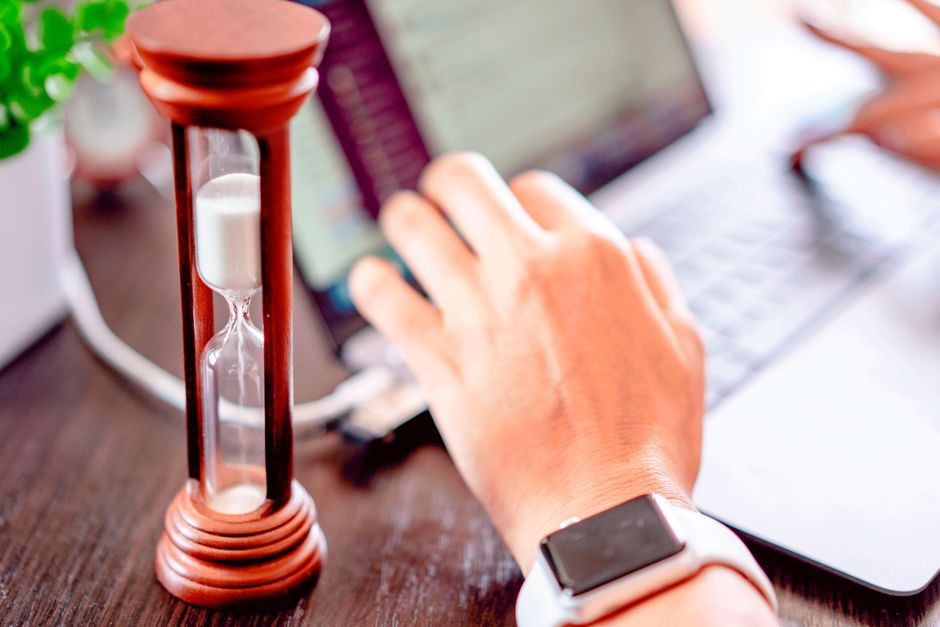
Most people are told to fast for 8 to 12 hours before a blood test, and the most common instruction is to fast overnight for about 12 hours. This applies to tests that measure blood glucose, cholesterol, and triglycerides, because food changes those numbers. Not every blood test needs fasting, though, and fasting when you don’t need to can make the experience harder than it has to be. The sections below explain which tests require fasting, how long each one needs, what you can still have, and what can throw off your results.
How Many Hours Of Fast Before Blood Test Is Usually Required?
For the tests that actually require fasting, 8 to 12 hours is the standard window. A fasting lipid panel is typically done after 9 to 12 hours without food. A fasting glucose test usually calls for at least 8 hours. Many labs and clinics simply tell you to fast overnight, which naturally lands you in that range.
The reason overnight works so well is practical, not medical. You sleep through most of the fast. You wake up, get your blood drawn, and eat breakfast afterward. Trying to fast for 12 hours in the middle of the day means skipping meals while you’re awake and hungry, which is harder and more likely to fail.
Twelve hours is generally the upper limit of what’s useful. Fasting longer than that doesn’t improve accuracy for most tests and can actually distort some results. Very long fasts can affect triglyceride levels and other measurements in ways that make the numbers harder to interpret. More is not better here.
If your fasting window runs a little long because of a delayed appointment, that’s usually not a problem. If it runs short, tell the phlebotomist. A test done after only 6 hours of fasting may not meet the lab’s requirements, and the result could be flagged or repeated.
Which Blood Tests Require Fasting?
Fasting matters for a specific set of tests. The most common ones are the fasting blood glucose test, the lipid panel (cholesterol and triglycerides), and sometimes a basic metabolic panel when glucose is included. These tests measure substances that rise or fall directly after you eat.
Here’s why food interferes. After a meal, your blood glucose goes up. Your body releases insulin to move that glucose into cells. Triglycerides also rise after eating, especially after a fatty meal, and can stay elevated for hours. If you eat before the test, the lab can’t tell whether a high number reflects your normal state or just your breakfast.
Some tests that people assume need fasting actually don’t. A complete blood count, thyroid panel, liver function tests, kidney function tests, and most hormone tests don’t require fasting. Neither do most tests for vitamins and minerals, though a few have specific timing rules your doctor may mention.
One important exception is the A1C test, which estimates average blood sugar over roughly the past two to three months. It does not require fasting. If your doctor orders an A1C, you can eat normally beforehand.
Which Blood Tests Do Not Require Fasting?
Many routine blood tests don’t need any fasting at all. If you’re unsure whether yours does, the answer is usually on the lab order or you can call the lab and ask.
- Complete blood count (CBC)
- Thyroid stimulating hormone (TSH) and other thyroid tests
- Liver function tests
- Kidney function tests
- A1C (average blood sugar)
- Most vitamin and mineral tests
- Most hormone panels
- Tests for inflammation markers
Even for non-fasting tests, some clinics prefer you avoid a massive meal right before the draw. A normal meal is fine. A heavy, high-fat meal an hour before can occasionally affect certain results, so common sense helps.

Can You Drink Water While Fasting For A Blood Test?
Yes. Plain water is allowed and encouraged during a fasting blood test. Drinking water keeps you hydrated, which makes the blood draw easier because your veins are fuller and easier to find.
What you can’t have is anything with calories. That includes coffee with cream or sugar, tea with honey, juice, soda, sports drinks, and milk. Even a small amount of calories can change blood glucose and triglycerides, which defeats the purpose of fasting.
Black coffee and plain tea without sugar are a gray area. Some labs say black coffee is fine because it has almost no calories. Others ask you to skip it entirely. Caffeine can affect some measurements, and it can also raise blood pressure temporarily. The safest move is to skip coffee until after the draw unless your lab specifically says it’s okay.
Water is the one thing you should not skip. Dehydration makes veins harder to access and can lead to a failed draw and a repeat visit.
What Happens If You Accidentally Eat Before Your Blood Test?
Tell the person drawing your blood. Don’t hide it, and don’t assume it doesn’t matter. If you ate, the lab may still run the test, but the results for glucose and triglycerides could be inaccurate.
In many cases, the clinic will reschedule the test for another day. That’s frustrating, but it’s better than acting on a wrong number. A falsely high glucose or triglyceride reading could lead to unnecessary worry or unnecessary follow-up testing.
If you ate something small and calorie-free, like a few sips of water, you’re fine. If you had a full meal, a snack, or a sugary drink, call ahead if you can. Some labs will tell you to come in anyway and note that you weren’t fasting, so your doctor can interpret the result with that in mind.
What Can Affect Fasting Blood Test Results Besides Food?
Food is the biggest factor, but it’s not the only one. Several things can shift your results even when you fast correctly.
Alcohol is a common culprit. Drinking the night before a lipid panel or glucose test can raise triglycerides and affect blood sugar. Most labs ask you to avoid alcohol for at least 24 hours before a fasting test. If you had a few drinks the night before, mention it.
Certain medications can change results too. Some can raise blood sugar, and others affect cholesterol. Don’t stop any medication on your own before a test. Ask your doctor whether anything you take could interfere and whether you should adjust the timing of a dose.
Exercise matters as well. A hard workout right before a blood draw can temporarily raise certain markers. Normal activity is fine. Strenuous exercise in the hours before the test is not ideal.
Smoking and stress can also affect results. Smoking before a draw can raise blood pressure and affect some measurements. Stress can raise blood sugar. These effects are usually small, but they add up if several are present at once.
How To Prepare For A Fasting Blood Test
Preparation is simple if you plan around your sleep. Schedule the test for the morning, fast overnight, and eat afterward.
Here’s a practical approach:
- Confirm with your doctor or lab whether fasting is actually required for your specific tests
- Ask how many hours they want, since the range varies by test
- Book a morning appointment so most of the fast happens while you sleep
- Drink plain water during the fast
- Avoid alcohol for at least 24 hours before the test
- Skip strenuous exercise the morning of the draw
- Take medications as directed unless your doctor says otherwise
- Bring a snack for after the draw, especially if you take medication with food
If you have diabetes and take insulin or other blood sugar medication, fasting can be risky. Ask your doctor how to handle your medication and whether you should fast at all. This is not something to figure out on your own.
If you’re pregnant, fasting rules may differ. Ask your doctor what applies to you rather than following general advice for everyone else.
Why Fasting Rules Have Changed Over Time
Fasting requirements have loosened for some tests over the years. In the past, more tests came with fasting instructions. Now, many labs and clinics run non-fasting versions of common tests because they’re easier for patients and still give useful information.
Lipid panels are a good example. Some guidelines now support non-fasting lipid testing for many people, since the main cholesterol measures don’t change much with food. Triglycerides do change, though, and a non-fasting triglyceride result is harder to interpret. This is why fasting lipid panels are still common, especially when triglycerides are the focus.
If your doctor orders a fasting test, follow that instruction. If they order a non-fasting test, don’t fast unnecessarily. When in doubt, ask. A quick call to the lab can save you an extra trip.
Frequently Asked Questions
How many hours do you need to fast before a blood test?
Most fasting blood tests require 8 to 12 hours without food, with overnight fasting being the most common approach. Some tests need at least 8 hours, while lipid panels often call for 9 to 12 hours.
Can I drink water before a fasting blood test?
Yes, plain water is allowed and encouraged during a fasting blood test. It keeps you hydrated and makes the blood draw easier.
What happens if I eat before a fasting blood test?
Tell the person drawing your blood, because food can make glucose and triglyceride results inaccurate. The clinic may reschedule the test for another day.
Do all blood tests require fasting?
No, many common tests like a complete blood count, thyroid panel, and A1C do not require fasting. Only specific tests, such as fasting glucose and lipid panels, typically need it.
