
If you want to build muscle, the most common recommendation is 1.6 to 2.2 grams of protein per kilogram of body weight per day. For a 180-pound person, that works out to roughly 130 to 180 grams daily. This range comes from a large body of research on resistance training and protein intake, and it represents where most people see the best results.
That said, the number that works for you depends on your training, your body size, and how much muscle you are trying to add. More protein is not always better. At some point, your body can only use so much for muscle repair, and the rest gets burned for energy or stored.
How Many Grams Of Protein Per Day To Build Muscle?
The research on protein and muscle growth is more consistent than most areas of nutrition science. A widely cited analysis published in the British Journal of Sports Medicine reviewed dozens of studies and found that protein intake around 1.6 grams per kilogram of body weight per day was enough to support muscle growth in most people doing resistance training. Beyond that point, the benefits leveled off for most participants.
Some researchers suggest going higher, up to 2.2 grams per kilogram, especially for experienced lifters or those in a calorie deficit. The upper end of this range may help preserve muscle when you are eating less than you burn.
Here is what that looks like for different body weights:
| Body Weight | Daily Protein (1.6 g/kg) | Daily Protein (2.2 g/kg) |
|---|---|---|
| 130 lbs (59 kg) | 94 g | 130 g |
| 160 lbs (73 kg) | 116 g | 160 g |
| 180 lbs (82 kg) | 131 g | 180 g |
| 200 lbs (91 kg) | 145 g | 200 g |
| 220 lbs (100 kg) | 160 g | 220 g |
These numbers are based on total body weight. If you carry a lot of excess body fat, using your lean body mass or a goal weight may give you a more accurate target. A registered dietitian can help you figure out which weight to use.
Does More Protein Always Mean More Muscle?
No. The relationship between protein and muscle growth is not linear. Once you hit the range your body can use effectively, adding more protein does not build more muscle. The excess gets oxidized for energy or stored as fat.
This is one of the most persistent myths in fitness nutrition. Supplement companies and fitness influencers often push the idea that more is always better. The research does not support that.
There is also a ceiling on how much protein your body can use for muscle repair at a single sitting. Studies suggest that roughly 20 to 40 grams of high-quality protein per meal stimulates muscle protein synthesis effectively. Eating 100 grams in one meal does not give you five times the benefit.
What matters more than chasing a very high number is consistency. Hitting your target most days, spread across three to five meals, will do more for your muscle growth than occasionally eating a huge amount.
Does Protein Timing Matter For Building Muscle?
Total daily protein intake matters more than when you eat it. The idea that you must eat protein within 30 minutes after training — the so-called anabolic window — is largely overstated for most people.
Research indicates that the window is wider than once thought. If you ate a meal containing protein a few hours before training, your muscles are still receiving amino acids during and after your workout. The urgency of immediate post-workout protein is not as critical as it was once made out to be.
That said, spreading protein across the day does appear to be slightly better than eating it all in one meal. Muscle protein synthesis responds to repeated stimulation. Three to five meals with 20 to 40 grams of protein each gives your body more opportunities to rebuild muscle tissue.
If you train fasted in the morning, getting protein in soon after is a reasonable practice. It is not mandatory, but it fits well with the overall goal of hitting your daily target.

What Kinds Of Protein Build Muscle Best?
Animal-based proteins tend to score higher on measures of protein quality. Eggs, dairy, chicken, beef, and fish contain all nine essential amino acids in proportions your body uses efficiently. Whey protein, a byproduct of cheese production, is particularly high in leucine, an amino acid that plays a direct role in triggering muscle protein synthesis.
Plant-based proteins can support muscle growth too, but they require a bit more planning. Most plant proteins are lower in one or more essential amino acids. Soy is the exception — it is a complete protein with a good amino acid profile. Combining sources like rice and beans, or eating a variety of plant proteins across the day, can fill the gaps.
Some research suggests that people eating exclusively plant-based diets may need somewhat more total protein to achieve the same muscle-building response. The difference is not enormous, but it is worth knowing if you avoid animal products.
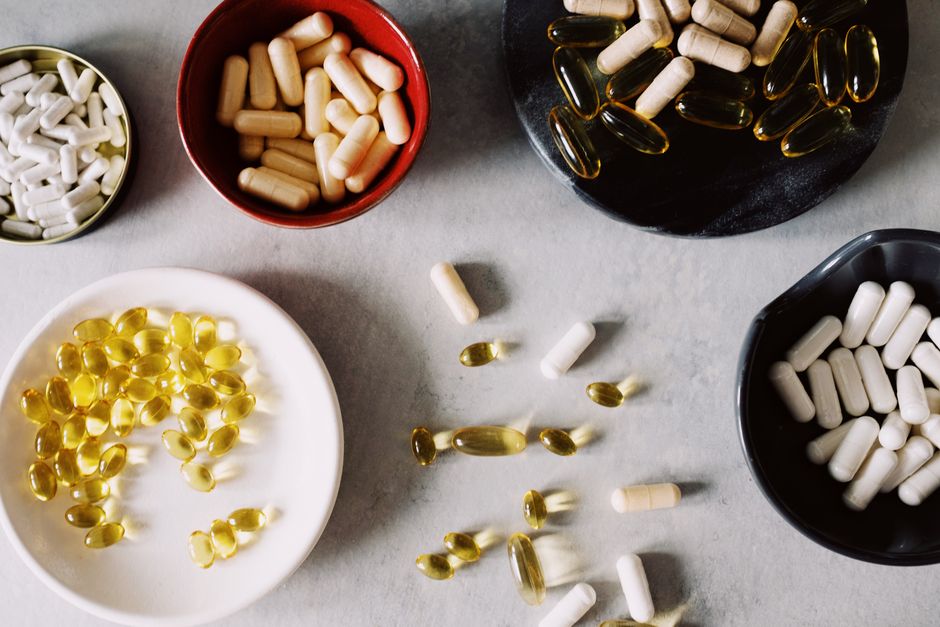
Whole food sources should make up most of your intake. Protein supplements are convenient, not magical. They can help you hit your target on busy days, but they do not build muscle better than food.
Can You Eat Too Much Protein?
For most healthy adults, a high-protein diet is not harmful. The idea that protein damages your kidneys is a myth for people without pre-existing kidney disease. Research on athletes eating well above the recommended daily allowance has not found kidney damage in healthy individuals.
People with chronic kidney disease do need to manage protein intake carefully, and should follow guidance from their doctor or dietitian. That is a different situation from a healthy person eating more protein to build muscle.
Very high protein intakes can cause digestive discomfort, especially if you increase quickly. Bloating, gas, and constipation are common when protein intake jumps suddenly. Increasing gradually and drinking enough water helps.
There is also the question of what you are giving up. If protein crowds out carbohydrates, your training performance may suffer. Carbs fuel intense exercise. If it crowds out fruits, vegetables, and fiber, your overall diet quality drops. Protein matters for muscle, but it is not the only thing that matters.
Do You Need Protein Supplements To Build Muscle?
No. Supplements are optional. You can meet your protein target with food alone. A chicken breast, a cup of Greek yogurt, a few eggs, and a serving of fish can get you most of the way there.
That said, supplements are convenient. If you struggle to eat enough protein from food, a whey or plant-based protein powder can fill the gap. They are not better than food, just easier in some situations.
Be skeptical of any supplement that claims to build muscle faster than protein alone. Creatine monohydrate has the strongest evidence behind it for supporting strength and muscle gains when combined with resistance training. Most other supplements marketed for muscle growth have weak or mixed evidence.
The foundation is always the same: resistance training, enough total protein, enough calories, and enough sleep. No supplement replaces those.
How Does Training Affect Your Protein Needs?
Resistance training is what signals your body to build muscle. Protein provides the raw material. Without training, extra protein does not turn into muscle. Without enough protein, training cannot produce optimal growth.
People who are new to resistance training tend to build muscle more easily and may need less protein to see results. Experienced lifters often need to work harder for smaller gains, and may benefit from the higher end of the protein range.
Training volume and intensity also matter. If you are training hard four or five days a week, your body has more repair work to do. If you are training casually, your needs are lower.
Age plays a role too. Older adults tend to have a blunted muscle-building response to protein compared to younger people. Some research suggests that older adults may need more protein per meal to get the same effect. This is an area where the evidence is still developing, and specific recommendations for older adults vary.
Frequently Asked Questions
How many grams of protein per day to build muscle?
Most research supports 1.6 to 2.2 grams of protein per kilogram of body weight per day for muscle growth. For a 180-pound person, that is about 130 to 180 grams daily.
Is 100 grams of protein a day enough to build muscle?
It depends on your body weight. For someone around 130 pounds, 100 grams falls within the recommended range. For someone over 180 pounds, it may be too low to support optimal muscle growth.
Can I build muscle with 1 gram of protein per pound of body weight?
Yes. One gram per pound is roughly 2.2 grams per kilogram, which sits at the top of the evidence-supported range. It is more than most people need, but it is not harmful for healthy adults.
Do I need protein immediately after lifting to build muscle?
No. The post-workout window is wider than once believed. Hitting your total daily protein target matters far more than timing a shake within minutes of your last set.
