
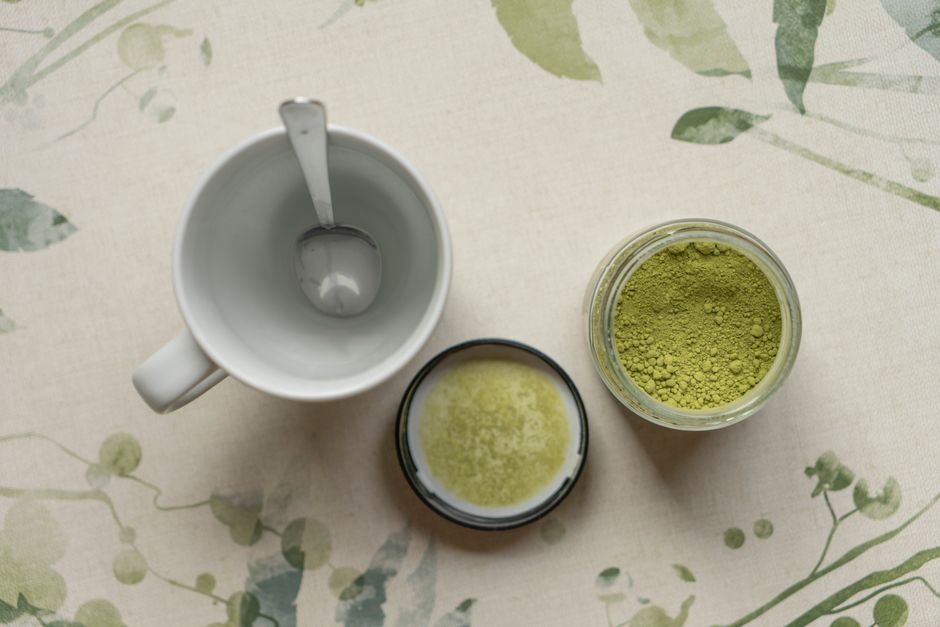
A tablespoon of water weighs about 15 grams. A tablespoon of honey weighs about 21 grams. A tablespoon of all-purpose flour weighs around 8 grams. Same spoon, same volume, very different weights. That is the single most useful fact to understand about converting tablespoons to grams: the spoon measures volume, and grams measure mass, so the number changes with every ingredient.
This matters more than most people realize. Baking is closer to chemistry than cooking. A few grams off in flour or leavening can change how a cake rises. A few grams off in salt can ruin a dish. Once you know the density of what you are measuring, the math becomes simple and repeatable.
How Many Gram 1 Tablespoon? The Core Answer
There is no single gram figure for a tablespoon because a tablespoon is a unit of volume and a gram is a unit of weight. The conversion depends entirely on how dense the ingredient is.
A US tablespoon equals about 14.8 milliliters. If you fill that volume with water, whose density is about 1 gram per milliliter, you get roughly 15 grams. Fill the same volume with something denser, like honey or peanut butter, and the weight climbs. Fill it with something light and airy, like flour or cocoa powder, and the weight drops.
This is why recipe writers who care about precision list ingredients by weight, not by spoon. A kitchen scale removes the guesswork entirely.
Why Does a Tablespoon of Flour Weigh Less Than a Tablespoon of Water?
Flour is mostly air. A spoonful of flour is a loose arrangement of tiny particles with plenty of empty space between them. Water has no such gaps, so a spoon holds more actual mass.
How you fill the spoon changes the number too. A lightly spooned and leveled tablespoon of all-purpose flour weighs about 8 grams. If you scoop the flour directly from the bag and pack it down, the same spoon can hold noticeably more. That variability is one reason professional bakers weigh flour rather than scoop it.
This is a non-obvious point worth holding onto: two people can follow the same recipe with the same tablespoon and end up with different amounts of flour. The spoon is not the problem. The method is.
Common Ingredient Conversions From Tablespoons to Grams
The table below gives approximate weights for one level US tablespoon of common ingredients. These are working figures based on standard density values. Treat them as close estimates, not laboratory measurements.
| Ingredient | Approx. grams per 1 tablespoon |
|---|---|
| Water | 15 g |
| Milk | 15 g |
| Granulated sugar | 12–13 g |
| Brown sugar (packed) | 13–14 g |
| All-purpose flour (spooned, leveled) | 8 g |
| Honey | 21 g |
| Butter | 14 g |
| Olive oil | 13–14 g |
| Cocoa powder | 5–6 g |
| Table salt | 17–18 g |
Notice the range across the table. The lightest ingredient weighs roughly a third of the heaviest in the same spoon. That spread is why a single universal conversion number does not exist.
How Do You Convert Grams to Tablespoons Accurately?
Divide the gram weight by the ingredient’s density in grams per milliliter, then divide by roughly 14.8 to get tablespoons. That is the precise method, but most home cooks do not need it.
A simpler approach: use a kitchen scale for anything that matters. Weigh your flour, sugar, and leavening. For liquids like water, milk, and oil, the tablespoon-to-gram difference is small enough that a rough 15-gram estimate works fine.
For sticky, dense ingredients like honey or molasses, a scale is genuinely easier than a spoon. These ingredients cling to the measuring tool, so what you scoop is not always what lands in the bowl.
Does the Type of Tablespoon Matter?
Yes, and this trips people up. A US tablespoon is defined as about 14.8 milliliters. The Australian tablespoon is 20 milliliters, roughly a third larger. The UK historically used a 15-milliliter tablespoon, though metric measures now dominate there.
If you are following an American recipe with an Australian spoon, you will add noticeably more of everything. For baking, that difference can affect the outcome. Check which standard a recipe uses before you start measuring.
Flatware tablespoons from your kitchen drawer are another matter. They vary widely in actual volume and are not reliable for precise measurement. Use a proper measuring spoon when accuracy counts.
Where Does This Matter Most for Health and Nutrition?
Portion accuracy affects nutrition tracking. A tablespoon of olive oil is about 13 to 14 grams and roughly 120 calories. If your actual spoon holds 20 percent more than you think, your calorie count drifts without you noticing.
The same applies to condiments, nut butters, and sweeteners, which are calorie-dense and easy to over-pour. Weighing these once or twice can recalibrate your eye for what a true tablespoon looks like.
For medication, the stakes are higher. Liquid medicines should be measured with the dosing cup or syringe supplied with the product, not a kitchen spoon. Household spoons vary too much in volume to deliver a reliable dose. This is established guidance from pharmacists and pediatric organizations, and it matters most for children’s medicines.
For general nutrition, the USDA maintains standard reference values for common foods by weight, which is why dietitians and food labels work in grams rather than spoons. Grams are consistent. Spoons are not.
What Is the Quickest Way to Get Accurate Measurements?
Buy a digital kitchen scale. It is the single change that removes most measurement error from cooking and baking.
- Weigh dry ingredients directly in the bowl on the scale, using the tare function to zero out each addition.
- Use measuring spoons for small amounts like salt, baking powder, and spices, where a scale may not register tiny weights accurately.
- For liquids, a liquid measuring cup with clear markings works well for larger volumes.
- For sticky ingredients, lightly coat the spoon with a neutral oil so they release cleanly.
If you bake often, look for recipes that list weights alongside volumes. Those recipes are more reproducible and less sensitive to how you scoop.
Are There Any Common Conversion Mistakes to Avoid?
The biggest mistake is assuming one gram figure applies to everything. A recipe that says “1 tablespoon of flour” and another that says “1 tablespoon of honey” are describing very different weights.
The second mistake is scooping flour straight from the container. That compacts it and adds grams you did not intend. Spoon it into the measuring cup and level it off with a straight edge.
The third is trusting volume for calorie-dense foods. Oils, nut butters, and syrups are where small volume errors turn into meaningful calorie differences.
None of this is complicated once you accept the core idea: grams measure mass, tablespoons measure space, and the bridge between them is density. Learn a handful of common densities and the conversions stop being a mystery.
Frequently Asked Questions
How many grams are in 1 tablespoon?
One US tablespoon of water weighs about 15 grams. The exact weight depends on the ingredient’s density, so flour is closer to 8 grams and honey closer to 21 grams.
Is 1 tablespoon equal to 15 grams?
Only for ingredients with a density close to water, such as milk or oil. Denser ingredients weigh more per tablespoon and lighter, airier ones weigh less.
How many grams is 1 tablespoon of flour?
A level, spooned tablespoon of all-purpose flour weighs about 8 grams. Scooping directly from the bag can pack in more, so weighing flour gives more consistent results.
Why does a tablespoon of honey weigh more than a tablespoon of water?
Honey is denser than water, so the same volume holds more mass. One tablespoon of honey weighs roughly 21 grams compared with about 15 grams for water.
