
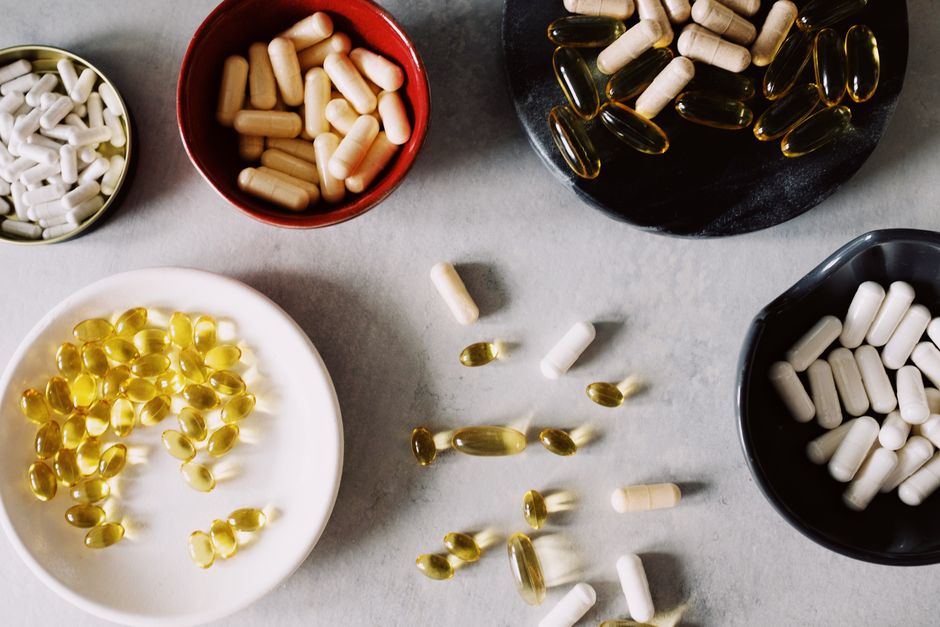
The maximum daily dose of Gas-X Chewables for adults and children 12 and older is 2 chewables in 24 hours, according to the product label. Each chewable contains 125 mg of simethicone. Take them after meals and at bedtime, and do not exceed 2 chewables in one day unless a doctor tells you otherwise.
That number surprises some people. Gas-X makes several products, and the dosing is not the same across all of them. The softgel capsules allow up to 4 per day. The Maximum Strength chewables contain a higher dose per tablet. Mixing them up is easy, and it is the most common reason people take more than they should.
How Many Gas X Chewables Can I Take A Day?
Two chewables per day is the labeled limit for the regular-strength product. That works out to 250 mg of simethicone total. The label directs you to chew them thoroughly, not swallow them whole, and to take them after meals and at bedtime.
This is a lower daily total than some people expect because chewables are formulated for convenience and fast action rather than for round-the-clock dosing. If your gas symptoms need more than 2 chewables a day on a regular basis, that is a signal to talk to a clinician rather than to increase the dose on your own.
The label also says not to use the product for more than 2 weeks in a row unless a doctor directs it. That is not because simethicone is dangerous over longer periods. It is because ongoing gas that needs daily treatment deserves a proper look at the cause.
Why Is the Chewable Limit Lower Than Other Gas-X Products?
Different Gas-X products carry different labeled doses, and the chewable is not the highest one. The table below shows how they compare based on product labeling.
| Product | Simethicone per dose | Labeled adult daily limit |
|---|---|---|
| Gas-X Chewables (regular strength) | 125 mg per chewable | 2 chewables (250 mg) |
| Gas-X Softgels (regular strength) | 125 mg per softgel | 4 softgels (500 mg) |
| Gas-X Extra Strength Chewables | 125 mg per chewable | Follow the specific package label |
| Gas-X Maximum Strength | Higher dose per unit | Follow the specific package label |
Always read the label on the exact box in your hand. Product formulations and labeling can change, and the package is the authoritative source for the product you actually bought.
Here is a point worth clearing up. Simethicone is not absorbed into the bloodstream in any meaningful way. It works in the gut and passes through. That is why it has a wide margin of safety and why the dose limits are about labeled guidance and avoiding unnecessary use rather than about toxicity in the usual sense.
What Does Simethicone Actually Do?
Simethicone is an antifoaming agent. It lowers the surface tension of gas bubbles trapped in the stomach and intestines, which lets smaller bubbles merge into larger ones. Larger bubbles are easier for the body to pass.
That mechanism is well established. What is less certain is how much symptom relief it produces in practice. Some studies suggest simethicone helps with gas and bloating, while others have found the benefit difficult to distinguish from placebo. The evidence is mixed. This does not mean the drug does nothing. It means the clinical trial results have not been as consistent as the physiology would suggest.
What is clear is that simethicone is poorly absorbed and generally well tolerated. The most commonly reported side effects are mild, and serious reactions are rare. If you have had an allergic reaction to simethicone or any ingredient in the product, do not use it.
What Happens If You Take More Than the Label Says?
Taking a few extra chewables is unlikely to cause serious harm, because simethicone is not absorbed and has a wide safety margin. That said, “unlikely to cause harm” is not the same as “recommended.” The label limit exists for a reason, and exceeding it repeatedly is not a strategy.
There is a practical issue too. Chewables often contain sugars, sorbitol, or other ingredients that can themselves cause gas or loose stools in larger amounts. Taking more chewables to fix gas can, in some people, add to the problem.
If you or a child has swallowed a large number of chewables, contact a poison control center. In the US, the Poison Help line is available at 1-800-222-1222. Do not wait for symptoms to decide whether to call.
When Gas Is Not Really About Gas
Persistent gas, bloating, and abdominal discomfort are common, and most of the time they are not dangerous. But ongoing symptoms that do not respond to simple measures can have other causes, and those deserve attention rather than more chewables.
See a clinician if you have any of the following:
- Gas or bloating that lasts for weeks despite dietary changes
- Unintentional weight loss
- Blood in the stool or black, tarry stools
- Persistent vomiting or severe abdominal pain
- Symptoms that wake you from sleep
- A new change in bowel habits after age 50
These do not mean something serious is present. They mean the symptom pattern is one that warrants a proper evaluation rather than self-treatment.
What Actually Helps With Gas Beyond Chewables?
Diet and eating habits matter more than most people realize. Swallowed air is a major source of stomach gas, and how you eat affects how much you swallow.
Practical steps with reasonable support include:
- Eat more slowly and avoid drinking through straws, which increases swallowed air
- Limit carbonated drinks
- Notice which foods reliably trigger symptoms — beans, onions, wheat, and dairy are common culprits, but the pattern is individual
- Consider whether dairy is a factor, since lactose intolerance is common and often missed
- Stay physically active, which supports normal bowel function
For people with irritable bowel syndrome, a clinician may discuss specific dietary approaches. Those are best done with guidance, not guesswork.
One clarification worth making: gas is normal. The average adult passes gas many times a day, and the amount varies widely between people. The goal of treatment is comfort, not the elimination of gas entirely.
Can Children Take Gas X Chewables?
Gas-X Chewables are labeled for children 12 and older at the adult dose. For children under 12, dosing depends on the specific product and age, and the package label should be followed exactly. Some formulations are not intended for young children at all.
For infants and toddlers, simethicone dosing is a matter for a pediatrician. No clinical guidelines support giving adult chewables to young children, and the chewable form carries a choking risk for small children regardless of dose.
Frequently Asked Questions
How many Gas-X chewables can I take in a day?
The regular-strength chewable label allows a maximum of 2 chewables in 24 hours for adults and children 12 and older. Check your specific package, because extra strength and maximum strength versions have different limits.
Can I take Gas-X chewables every day?
The label advises against using the product for more than 2 weeks without talking to a doctor. Daily gas that needs regular treatment is worth discussing with a clinician to look for a cause.
Is it safe to take 4 Gas-X chewables?
Taking more than the labeled 2 chewables is not recommended, though simethicone has a wide safety margin because it is poorly absorbed. If a large amount is swallowed, especially by a child, call Poison Help at 1-800-222-1222.
How long does it take for Gas-X chewables to work?
Simethicone acts in the gut soon after it is chewed and swallowed, so some people notice relief within a short time. Individual response varies, and the evidence for how much relief it provides is mixed.
