
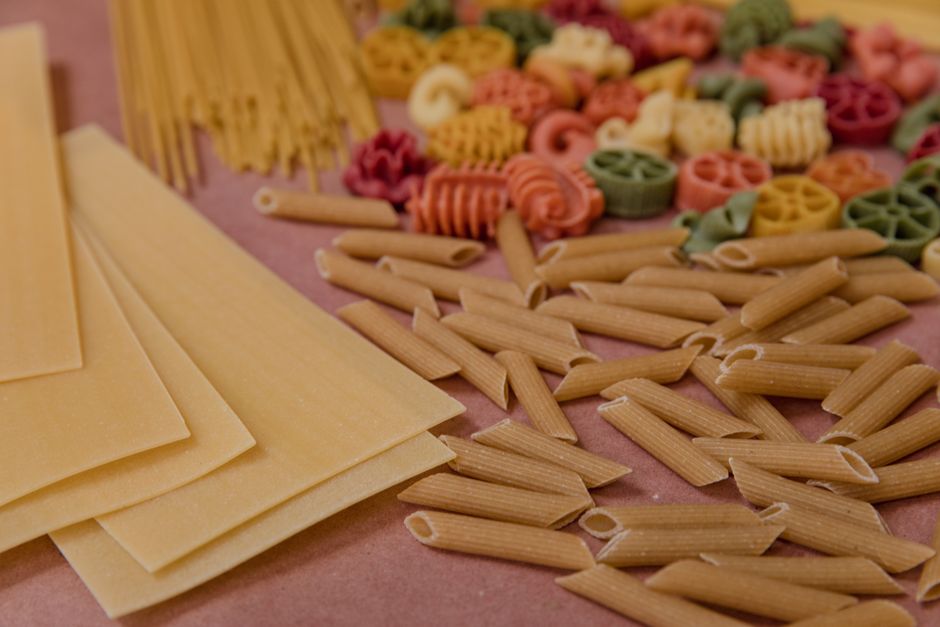
If you are watching your carbohydrate intake, you have probably wondered how many carbs is spaghetti squash. The answer is straightforward: one cup of cooked spaghetti squash contains about 10 grams of total carbohydrates and roughly 5 to 6 grams of net carbs. That is a fraction of the carbs in traditional pasta, which has around 40 grams per cup. This makes spaghetti squash a popular low-carb swap for people managing diabetes, following a keto diet, or simply trying to eat fewer refined carbohydrates.
What Is the Exact Carb Count for Spaghetti Squash?
Research from the USDA FoodData Central system provides the precise numbers. One cup of cooked spaghetti squash (about 155 grams) has 10 grams of total carbohydrates. Within that, you get 2.2 grams of fiber and 3.9 grams of naturally occurring sugar. The remaining carbs come from complex starches.
Net carbs are total carbs minus fiber because fiber does not raise blood sugar. For spaghetti squash, that means roughly 7.8 grams of net carbs per cup. Compare that to one cup of cooked white pasta at 43 grams of total carbs and about 41 grams of net carbs. The difference is not small — it is a 75 percent reduction in carbohydrates.
Portion size matters a lot here. A whole medium spaghetti squash weighs about 2 to 3 pounds raw. When cooked and shredded, that entire squash yields roughly 4 to 5 cups. So if you ate the whole thing in one sitting, you would get about 40 to 50 grams of total carbs. That is still less than a single serving of pasta for most people.
How Many Carbs Is Spaghetti Squash Compared to Other Vegetables?
Spaghetti squash sits in the middle of the vegetable carb spectrum. It is higher in carbs than leafy greens or broccoli but lower than starchy vegetables like potatoes or corn. Here is a direct comparison based on one cup cooked:
| Vegetable | Total Carbs | Net Carbs |
|---|---|---|
| Spaghetti squash | 10 g | 7.8 g |
| Zucchini | 4 g | 2 g |
| Broccoli | 6 g | 3 g |
| Butternut squash | 22 g | 19 g |
| Sweet potato | 27 g | 23 g |
If you are on a strict keto diet that limits you to 20 to 30 grams of net carbs per day, one cup of spaghetti squash takes up about a third of your daily allowance. That is workable for many people but not a free food. People on more moderate low-carb diets, like 50 to 100 grams per day, can eat larger portions without issue.
Does the Way You Cook Spaghetti Squash Change the Carb Count?
Cooking method does not change the carbohydrate content of the squash itself. Whether you roast it, microwave it, boil it, or steam it, the carb numbers stay the same. One cup of cooked spaghetti squash always has about 10 grams of total carbs regardless of how you heat it.
What changes is the water content. Roasting removes more moisture and concentrates the flavor, but the actual carbohydrate mass per gram of food goes up slightly because water leaves. If you weigh your food, 100 grams of roasted spaghetti squash will have slightly more carbs than 100 grams of boiled spaghetti squash simply because the roasted version has less water. This effect is small — about 1 to 2 grams difference per serving — and does not matter for most people.
The bigger factor is what you add to the squash. A tablespoon of butter or olive oil adds zero carbs. A cup of marinara sauce can add 10 to 15 grams of carbs depending on the brand. Grated parmesan cheese adds less than 1 gram per tablespoon. The squash itself is low carb, but your toppings determine whether the final meal stays low carb or becomes moderate carb.




Can Spaghetti Squash Help with Blood Sugar Control?
Studies have found that replacing high-carb foods with lower-carb vegetables can improve blood sugar management. Research published in the journal Nutrients showed that substituting refined grains with non-starchy vegetables led to lower post-meal blood sugar spikes in people with type 2 diabetes. Spaghetti squash fits this pattern well.
The glycemic index of spaghetti squash is estimated around 45 to 55, which is considered low to moderate. For reference, white pasta has a glycemic index of about 60 to 70. The fiber content of 2.2 grams per cup also helps slow down carbohydrate absorption, though the effect is modest at this level of fiber.
Some people report that eating spaghetti squash instead of pasta makes them feel fuller with fewer calories. This is not a myth. A cup of spaghetti squash has about 42 calories compared to 220 calories in a cup of pasta. The volume is similar, so you get the same visual portion size with about one-fifth the calories and carbs. This can help with weight management indirectly, though no single food causes weight loss on its own.
What Are the Common Mistakes People Make with Spaghetti Squash?
The most common mistake is assuming all squash varieties have the same carb count. Butternut squash has more than double the carbs of spaghetti squash. Acorn squash is also higher. If you grab the wrong squash at the store, you could end up eating significantly more carbs than planned. Always check the label or look for the specific name.
- Overcooking the squash turns it mushy rather than stringy. The ideal texture comes from roasting at 400°F for 35 to 45 minutes until the flesh is tender but not falling apart.
- Not draining excess water after cooking. Spaghetti squash releases water as it sits. If you skip draining it, your sauce gets watery and the texture suffers.
- Adding high-carb sauces that undo the benefit. Cream-based sauces with flour, sweetened tomato sauces, or sugary dressings can add 20 to 30 grams of carbs to a meal that started with only 10.
- Eating too large a portion because it is a vegetable. A whole squash is 4 to 5 cups. If you eat all of it, you get 40 to 50 grams of carbs — which is almost the same as a bowl of pasta for some people.
Another mistake is expecting spaghetti squash to taste exactly like pasta. It does not. The texture is similar when cooked properly, but the flavor is mild and slightly sweet. People who expect a direct pasta replacement are often disappointed. People who treat it as a distinct vegetable with its own texture tend to like it more.
Does Spaghetti Squash Fit into a Keto or Low-Carb Diet?
Spaghetti squash can fit into a keto diet if you keep portions moderate. One cup provides about 8 grams of net carbs, which is roughly 25 to 40 percent of the daily carb allowance on a standard keto diet. Some people on keto avoid it entirely because they prefer to spend their carb budget on leafy greens and avocados instead. That is a personal choice, not a nutritional requirement.
For more flexible low-carb diets, spaghetti squash is an excellent option. The American Diabetes Association includes non-starchy vegetables like squash in their recommended eating patterns. The key is portion control and awareness of what you add to the dish.
One practical strategy is to use spaghetti squash as a base and fill half your plate with protein and healthy fats. A typical meal might include 1 cup of spaghetti squash, 4 to 6 ounces of grilled chicken or salmon, and a generous serving of sautéed greens with olive oil. That meal keeps net carbs under 15 grams while providing plenty of volume and nutrients.
Frequently Asked Questions
How many carbs are in one cup of cooked spaghetti squash?
One cup of cooked spaghetti squash has about 10 grams of total carbohydrates and roughly 8 grams of net carbs after subtracting fiber.
Is spaghetti squash lower in carbs than regular pasta?
Yes, spaghetti squash has about 75 percent fewer carbs than white pasta. One cup of pasta has around 43 grams of total carbs compared to 10 grams in spaghetti squash.
Can you eat spaghetti squash on a keto diet?
Yes, but in moderation. One cup uses about 8 grams of your daily net carb allowance, which is a significant portion of the typical 20 to 30 gram keto limit.
Does the carb count change if I roast instead of boil spaghetti squash?
The carb count per cup stays roughly the same. Roasting removes water and concentrates the squash slightly, but the difference is minimal for most people.
