
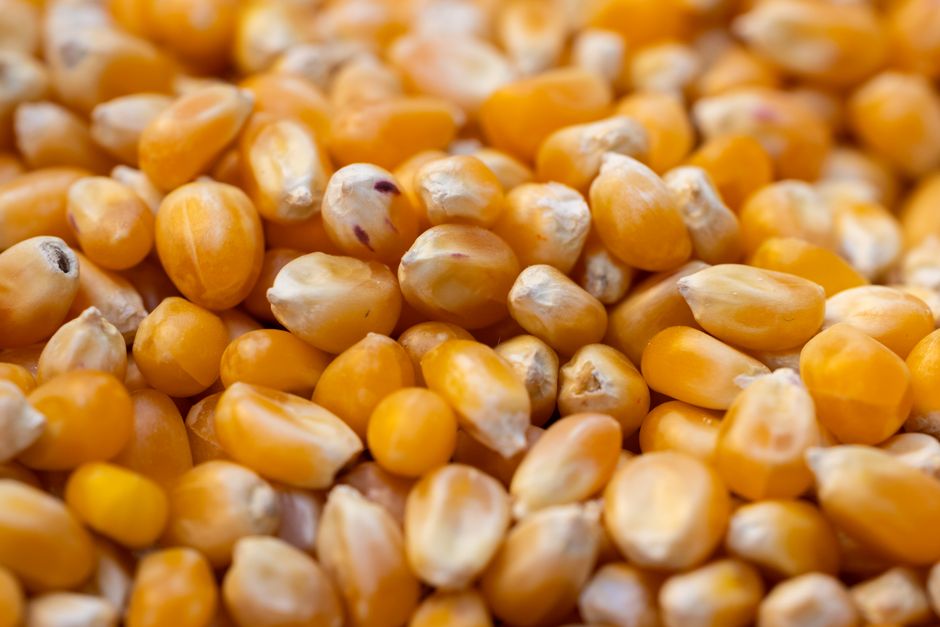
A medium ear of sweet corn on the cob contains about 27 grams of carbohydrates. That figure covers one ear roughly 6¾ to 7½ inches long, which is the size most grocery stores sell and the size the USDA uses for its standard nutrition data. A large ear, closer to 8 to 9 inches, pushes closer to 35 grams or more.
Most of those carbs are starch and naturally occurring sugars. A smaller share is fiber, which the body does not digest the same way. The exact number moves around based on ear size, variety, and how long it was cooked. Yellow, white, and bi-color corn all land in a similar range.
How Many Carbs Are In Corn On Cob?
A medium ear delivers about 27 grams of total carbs. That works out to roughly 17 to 19 grams of net carbs once you subtract the fiber.
Here is the breakdown for one medium ear of sweet corn, cooked, without butter or salt:
- Total carbohydrates: about 27 grams
- Fiber: about 3 grams
- Sugars: about 5 to 6 grams
- Starch: the remainder, roughly 18 grams
- Calories: about 90
- Protein: about 3 grams
- Fat: about 1 gram
These numbers come from USDA FoodData Central, the federal database that nutrition labels and diet apps draw from. They apply to plain corn. Butter, salt, and any sauce get added on top and can change the calorie count substantially without changing the carb count much.
Does Corn On The Cob Have More Carbs Than Canned Or Frozen Corn?
No. The carb content is essentially the same whether the corn is fresh, frozen, or canned. What changes is how much you eat and what gets added during processing.
Carb counts are usually listed per 100 grams rather than per ear, because canned and frozen corn are sold by weight, not by cob. One hundred grams of cooked sweet corn contains roughly 21 grams of total carbs. A medium ear of corn on the cob weighs around 90 grams of actual kernels once you strip it off the cob, which is why the per-ear number lands near 27 grams — the edible portion is close to but not exactly 100 grams.
Canned corn packed in water or brine has about the same carbs as fresh. Canned corn packed in syrup does not — the added sugar raises the carb count. Creamed corn is a different product entirely and typically has more carbs per serving because of added starch and sugar.
Frozen corn without sauce is nutritionally close to fresh. Frozen corn with butter sauce or a seasoning packet is not, and the label on the package is the only reliable source for those products.
Why Does Corn Have So Many Carbs?
Corn is a grain, not a vegetable, and grains store energy as starch. That is the whole explanation.
A kernel of sweet corn is a seed packed with starch and sugar to fuel germination. Plant breeders have spent generations selecting varieties with higher sugar content and slower starch conversion, which is why modern sweet corn tastes sweeter than field corn grown for animal feed or ethanol. But the fundamental composition is still starch-dominant.
This is where corn gets confusing for people. It is eaten like a vegetable, served alongside other vegetables, and often grouped with them on a plate. Botanically and nutritionally, it behaves more like a starch — closer to a potato or a serving of rice than to broccoli or green beans. That distinction matters a lot if you are counting carbs.
One non-obvious point: the type of starch in corn matters for how your blood sugar responds. Sweet corn contains a mix of amylose and amylopectin, and the ratio affects how quickly the starch breaks down into glucose. Cooking and cooling change this further. Chilled corn, like corn in a cold salad, forms more resistant starch, which is digested more slowly and contributes less to blood sugar rise. The effect is real but modest.





Is Corn On The Cob Bad For Blood Sugar?
Corn raises blood sugar, but how much depends on the whole meal, not just the corn.
Sweet corn has a glycemic index in the moderate range. The glycemic index measures how fast a food raises blood sugar on its own, and corn sits well below white bread or plain glucose but above most non-starchy vegetables. That said, glycemic index is a rough tool. What actually happens to your blood sugar depends on portion size, what else is on the plate, and how the corn was cooked.
Fiber, protein, and fat slow digestion and blunt the blood sugar spike. An ear of corn eaten with a piece of chicken and some greens will affect blood sugar differently than the same ear eaten alone. This is standard nutrition physiology, not a corn-specific claim.
For people with type 2 diabetes, corn is generally treated as a carbohydrate serving rather than a free vegetable. That means it usually gets counted against the carb budget for the meal. How many servings a person can fit depends on their individual plan and should come from their own clinician or dietitian, not a general article.
For people without diabetes, an ear of corn as part of a balanced meal is not a blood sugar problem. The evidence does not support treating it as one.
Is Corn On The Cob Keto Friendly?
No. One medium ear has roughly 17 to 19 grams of net carbs, which is most or all of a typical daily carb allowance on a ketogenic diet.
Standard ketogenic diets generally cap total carbs somewhere in the range of 20 to 50 grams per day, depending on the individual and the specific protocol. A single ear of corn can consume a large portion of that. This is not a judgment about corn — it is just arithmetic. Corn is a starch, and keto diets are built around avoiding starch.
People on low-carb diets that are not strictly ketogenic have more room. Whether corn fits depends on the total carb target and what else is being eaten that day.
How Does Corn Compare To Other Common Carbs?
Corn sits in the middle of the pack. It has fewer carbs per serving than rice, bread, or pasta, and more than most vegetables.
| Food | Total Carbs | Fiber | Net Carbs |
|---|---|---|---|
| 1 medium ear sweet corn | ~27 g | ~3 g | ~18 g |
| 1 cup cooked white rice | ~45 g | <1 g | ~45 g |
| 1 slice white bread | ~14 g | <1 g | ~13 g |
| 1 medium potato, baked | ~37 g | ~4 g | ~33 g |
| 1 cup cooked broccoli | ~6 g | ~2.5 g | ~3.5 g |
Two slices of bread have roughly the same carbs as one ear of corn. A cup of rice has considerably more. A cup of broccoli has a fraction of either.
Corn also brings something the refined starches do not: fiber, some protein, potassium, and a range of B vitamins. That does not make it low-carb, but it does make it a different food from white bread on a nutritional level.
One caveat on the table: portion sizes are where comparisons fall apart. A “cup of rice” on a plate is often closer to a cup and a half. A “medium potato” can be small or enormous. The numbers above are useful for orientation, not for precise tracking.
Does Cooking Change The Carb Count?
Cooking does not add or remove carbohydrates from corn. It changes their form, which can affect how your body handles them.
Raw corn is harder to digest. Cooking gelatinizes the starch, making it easier for digestive enzymes to break down. That means cooked corn generally raises blood sugar a bit faster than raw corn. The total carb count on a nutrition label stays the same.
Cooling cooked corn afterward causes some of the starch to retrograde into resistant starch — a form your small intestine cannot digest. It then ferments in the large intestine instead. This is the same process that makes cooled potatoes and cooled rice higher in resistant starch than their freshly cooked versions. The shift is modest for corn, and the total carb number does not change. What changes is how much of that carb actually gets absorbed as glucose.
Grilling, boiling, steaming, and microwaving all land in a similar place. The bigger variable is what you put on the corn afterward.
What About Butter, Salt, And Toppings?
Butter adds fat and calories but almost no carbs. A tablespoon of butter has less than a gram of carbohydrate.
Most other common toppings are a different story. Honey butter, maple glaze, and sweet chili sauce all add sugar. So does a squeeze of barbecue sauce or a dusting of flavored seasoning blends that list sugar or dextrose on the label. Those additions can push the carb count of a single ear up meaningfully.
Plain butter, salt, pepper, lime, chili powder without added sugar, and fresh herbs do not change the carb count in any meaningful way. If you are tracking carbs, the corn itself is the number that matters, and the toppings are worth a quick look at the label.
Frequently Asked Questions
How many carbs are in one ear of corn on the cob?
A medium ear of sweet corn has about 27 grams of total carbohydrates, or roughly 18 grams of net carbs after subtracting fiber. Larger ears can reach 35 grams or more.
Is corn on the cob a carb or a vegetable?
Nutritionally, corn behaves like a starch, similar to a potato or rice, even though it is eaten like a vegetable. Botanically, it is a grain.
Can diabetics eat corn on the cob?
Corn can fit into a diabetes eating plan, but it is usually counted as a carbohydrate serving rather than a free vegetable. How much fits depends on the individual plan, which should come from a clinician or dietitian.
Does canned corn have more carbs than corn on the cob?
No, canned corn packed in water or brine has about the same carbs per ounce as fresh corn. Canned corn packed in syrup has more because of added sugar.
