
A single 6-inch corn tortilla contains about 12 to 13 grams of total carbohydrate. That works out to roughly 45 to 55 calories from carbohydrate, in a food that usually lands between 50 and 60 calories total. The exact number shifts a little with brand and size, but 12 to 13 grams is a reliable working figure for a standard corn tortilla.
Most of that carbohydrate is starch, with a small amount of fiber. Corn tortillas are made from masa — corn treated with lime, then ground into dough — and the process changes the carbohydrate in ways worth understanding.
How Many Carbohydrates In A Corn Tortilla?
A standard 6-inch corn tortilla provides around 12 to 13 grams of total carbohydrate. Of that, roughly 1.5 to 2 grams is fiber, leaving about 10 to 11 grams of net carbohydrate that the body can readily break down.
Weight matters more than diameter. A typical corn tortilla weighs about 25 to 30 grams. Larger tortillas, or thicker handmade ones, carry proportionally more carbohydrate. A 50-gram tortilla would contain closer to 20 to 24 grams.
Here is the nutrient picture for one standard 6-inch corn tortilla, based on USDA nutritional data:
- Total carbohydrate: about 12 to 13 grams
- Fiber: about 1.5 to 2 grams
- Protein: about 1.5 grams
- Fat: about 0.5 to 1 gram
- Calories: about 50 to 60
That makes corn tortillas a lean source of carbohydrate. Almost none of their calories come from fat, and they add little protein. The carbohydrate is the point.
Why Corn Tortillas Have More Fiber Than Flour Tortillas
Corn tortillas generally contain more fiber than the same-sized flour tortilla. A standard flour tortilla often has around 1 gram of fiber or less, while corn runs a bit higher.
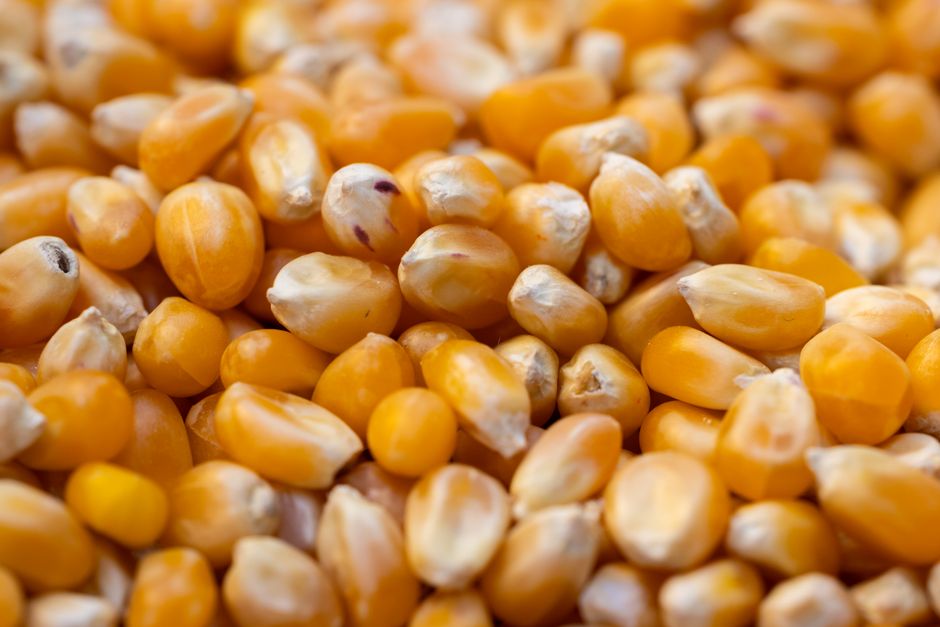
The reason is the corn itself. Masa is made from whole corn kernels that have been cooked and soaked in an alkaline solution, usually lime water. This process — called nixtamalization — softens the corn and makes it easier to grind. It also leaves more of the kernel’s fiber intact than the refined white flour used in flour tortillas.
Nixtamalization does something else. It releases niacin, a B vitamin, from a form in corn the body cannot easily use. Populations that relied heavily on corn as a staple and prepared it this way avoided a deficiency disease called pellagra. Corn that is not treated this way does not offer the same benefit. That is one reason traditional preparation methods matter nutritionally, not just culturally.
The fiber difference is real but modest. Corn tortillas are not a high-fiber food the way beans or whole grains are. They simply contain more than their flour counterparts.
Corn Tortillas vs. Flour Tortillas: How Do the Carbohydrates Compare?
Corn and flour tortillas differ in carbohydrate amount, fiber, and how quickly the body breaks them down. Corn usually has fewer total carbohydrates per tortilla, but the gap is not enormous.
| Nutrient (one 6-inch tortilla) | Corn | Flour |
|---|---|---|
| Total carbohydrate | About 12–13 g | About 15–18 g |
| Fiber | About 1.5–2 g | About 1 g or less |
| Protein | About 1.5 g | About 3 g |
| Fat | About 0.5–1 g | About 2–4 g |
| Calories | About 50–60 | About 90–140 |
Flour tortillas often contain added fat, which is a big part of why they carry more calories. Corn tortillas skip that added fat in their basic form. Values vary by brand and recipe, so the ranges above are approximate.
For someone counting carbohydrates, corn tortillas are usually the lighter choice per tortilla. For someone wanting more protein, flour has a slight edge. Neither is a meaningful protein source on its own.
Do Corn Tortillas Spike Blood Sugar?
Corn tortillas raise blood sugar, but generally less sharply than many people expect. The starch in corn is a mix of two types — amylose and amylopectin — and corn tends to contain a meaningful share of amylose, which the body digests more slowly than amylopectin.
Fiber adds to that effect. It slows the rate at which carbohydrate is absorbed. A corn tortilla eaten alone still raises blood glucose, but the rise tends to be more gradual than from white bread or a plain flour tortilla.
This does not make corn tortillas a “free” food for anyone managing diabetes. They still contain 12 to 13 grams of carbohydrate, and that counts. Portion size and what you eat alongside them matter more than any single glycemic index number.
One clarification worth making: glycemic index values vary widely between studies and between individual tortillas, depending on the corn, the processing, and how the tortilla is cooked. Treat any single number with caution. The general direction — corn tortillas tend to sit lower on the glycemic scale than refined white bread — is reasonably consistent, but the exact figure is not fixed.
Are Corn Tortillas a Good Choice on a Low-Carb Diet?
Corn tortillas fit better than most bread products into a moderate-carbohydrate diet, but they are still carbohydrate-dense relative to their size. At 12 to 13 grams per tortilla, two tortillas put you at roughly 24 to 26 grams — a substantial share of a low-carb day for many people.
On a strict low-carbohydrate diet, corn tortillas are usually too high in carbohydrate to eat freely. On a moderate-carbohydrate plan, one or two tortillas can work fine within the daily total.
What matters is context. A corn tortilla with beans, vegetables, and a lean protein is a different meal, metabolically, than three tortillas eaten alone. The fiber and protein around it change how the carbohydrate is absorbed and how filling the meal feels.
Corn tortillas are naturally gluten-free when made from corn and water alone. People avoiding gluten should still check labels, because some brands blend in wheat flour or process tortillas on shared equipment.
How Should You Count Corn Tortilla Carbs?
Use the label when there is one. Package nutrition facts are the most accurate source for the specific brand you bought, because carbohydrate content varies by size, thickness, and recipe.
When there is no label — restaurant tortillas, homemade, or from a bakery — weigh one if you can. At roughly 25 to 30 grams of tortilla, expect about 12 to 13 grams of carbohydrate. If it weighs 50 grams, double that.
Watch for size. A “street taco” corn tortilla is often smaller, closer to 4 to 5 inches, and may carry only 8 to 10 grams of carbohydrate. A large 8-inch corn tortilla could push past 20 grams. The word “corn tortilla” alone does not tell you the amount.
For anyone managing diabetes or counting carbohydrates for medical reasons, these estimates are a starting point. Blood glucose response varies between people, and a registered dietitian can help you translate tortilla size and brand into your own plan.
Frequently Asked Questions
How many carbs are in one corn tortilla?
A standard 6-inch corn tortilla has about 12 to 13 grams of total carbohydrate. Smaller street-taco sizes carry less, and larger tortillas carry more.
Are corn tortillas high in carbs?
They are moderate — about 12 to 13 grams per tortilla, which is less than most bread slices or flour tortillas. They are still carbohydrate-dense for their small size, so portion matters.
Are corn tortillas keto-friendly?
Generally no. At 12 to 13 grams of carbohydrate each, they usually exceed what a strict ketogenic diet allows per food item.
Do corn tortillas have more fiber than flour tortillas?
Yes, usually. A corn tortilla has about 1.5 to 2 grams of fiber, while a flour tortilla often has around 1 gram or less.
