
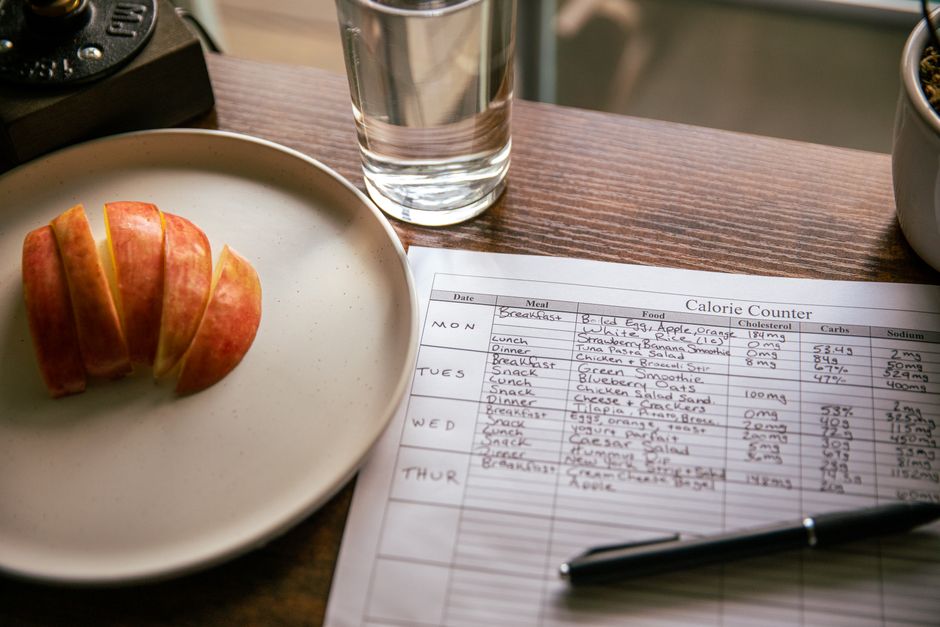
The short answer is zero. During a strict fast, you eat no calories at all. Water, plain black coffee, and unsweetened tea contain essentially no calories and do not break a fast in the metabolic sense most people mean.
But “0 to” in this question usually points to something else. It points to the gray zone — the small amounts of calories that may or may not count, like a splash of milk, a spoon of cream, or a bite of food. That gray zone is where most confusion lives, and it is worth getting straight.
What Does Fasting 0 To Actually Mean?
Fasting means going without calories for a set period. The “0 to” phrasing describes a range — from zero calories up to some small number that people argue still counts as fasting.
The honest position is that there is no single official calorie cutoff that defines a fast. Different fasting approaches draw the line in different places, and the science behind those lines is not settled.
What is well established is how the body responds to not eating. When you stop taking in calories, the body draws on stored energy. Blood sugar and insulin levels tend to fall. The liver releases glucose it has stored as glycogen. This is basic physiology and it is not in dispute.
What is much less clear is the exact number of calories that flips the body out of that fasting state. No reliable clinical guideline gives a precise threshold. Claims that a specific number of calories “breaks” a fast are usually oversimplified.
How Many Calories To Eat While Fasting 0 To?
For a true fast, the number is zero. If you eat calories, you are no longer fasting in the strict sense.
Some people practice modified fasting, where they allow a small amount of food or drink during the fasting window. The most common example is adding a small amount of milk or cream to coffee. Whether that breaks the fast depends on what you mean by “break.”
Here is where precision matters. Fasting can be defined in at least two ways:
- Metabolic fasting — the body is running on stored energy rather than incoming food. Even small amounts of calories can shift this, though how much and how fast varies from person to person.
- Behavioral fasting — you are simply not eating meals. A few calories in a drink may not register as eating to you, even if the body notices them.
These two definitions can point to different answers. That is why the question has no clean number. The body does not follow a neat rule that says “under X calories is fine.”
For most people asking this question, the practical guidance is simple. If your goal is a genuine fast, aim for zero calories. If a small amount of something helps you get through the window and you accept that it is a modified fast, that is a different choice with a different label.
Do Small Amounts of Calories Break a Fast?
Small amounts of calories can affect the body, but the size of that effect is not well pinned down.
Research on fasting has mostly studied either complete fasting or clearly defined eating windows, not the middle ground of a few calories here and there. That middle ground has not been studied enough to give firm answers.
What we can say is that the body responds to what it receives. A teaspoon of sugar in coffee delivers a small but real amount of glucose. Cream delivers fat and a small amount of carbohydrate. These are not zero.
Whether that matters for your specific goal — weight loss, blood sugar control, or something else — depends on the goal. The evidence is limited and results vary.
One clarification worth knowing: many of the reported benefits of fasting come from eating less overall, not from some special state that only zero calories can produce. If a splash of milk helps you stick to a shorter eating window, that trade-off may matter more than the milk itself. This is a reasonable way to think about it, though it has not been rigorously tested head to head.




What Can You Drink Without Adding Calories?
Several drinks contain essentially no calories and are widely used during fasting windows.
- Water — plain, still or sparkling
- Black coffee — no sugar, no milk, no cream
- Unsweetened tea — black, green, or herbal
- Plain water with a slice of lemon or lime — the calories are negligible
What to watch for is what gets added. Sugar, honey, milk, cream, and flavored syrups all add calories. So do many “diet” or “zero” drinks that still contain sweeteners — though these typically contain very few or no calories, their effect on fasting is not well studied.
Some people find that even zero-calorie sweeteners trigger cravings or an insulin response. The evidence on this is mixed and not settled. If you are unsure how your body responds, that is a personal observation question, not one with a universal answer.
Does the Type of Calorie Matter During a Fast?
The type of calorie can matter for how the body responds, but not in a way that gives a clean fasting rule.
Carbohydrates tend to raise blood sugar more directly. Fat and protein have different effects. This is well established nutrition science.
But the idea that a certain number of fat calories “does not count” while the same number of carbohydrate calories “does” is not supported by clear clinical guidance. The body processes all of them, just differently.
For someone fasting for blood sugar reasons, a small amount of carbohydrate is likely to matter more than a small amount of fat. For someone fasting purely for weight management, the total calorie picture over the day probably matters more than what happens in a single sip.
These are general directions, not precise rules. Individual responses vary, and no large trial has mapped out the exact calorie thresholds where fasting effects begin or end.
Who Should Be Careful With Fasting?
Fasting is not appropriate for everyone, and some groups should not attempt it without medical guidance.
People who are pregnant or breastfeeding have higher calorie and nutrient needs. No clinical guidelines support fasting for these groups, and it is generally not recommended.
Children and adolescents are still growing and have specific nutritional requirements. Fasting is not advised for them outside of medical supervision.
People with diabetes, especially those using insulin or certain medications, face real risks from fasting, including dangerously low blood sugar. This requires medical oversight, not a general article.
Anyone with a history of eating disorders should be cautious. Fasting can interact with those conditions in harmful ways.
If you take prescription medications, ask a clinician before making fasting a regular practice. Some drugs need to be taken with food, and some interact with the body’s fasting state.
How Should You Think About Calories During a Fast?
Treat zero as the target for a true fast, and treat anything above zero as a modified fast.
That framing is honest. It does not pretend there is a magic calorie number that keeps you in a fasting state. It also does not pretend that a few calories are meaningless.
The most useful questions are about your goal. Are you fasting to eat less overall? To give your digestion a rest? To manage blood sugar? The answer to “how many calories” shifts depending on which one you mean.
For most people, the practical approach is to keep the fasting window as close to zero calories as they can manage, and to be clear-eyed that small additions change the picture. There is no need to obsess over a single sip. There is also no benefit in pretending calories do not exist.
Does the Length of the Fast Change the Answer?
The length of the fast changes how much small calories matter, but not in a simple way.
During a short fast of a few hours, the body is still working through recently eaten food. A few extra calories in that window are unlikely to change much. During a longer fast, the body has moved further into using stored energy, and the same small calories may have a larger relative effect.
This is a reasonable way to think about it based on how metabolism works, but specific hour-by-hour thresholds are not well established in clinical guidance. Claims that a fast is “broken” at exactly a certain hour by a certain number of calories should be treated with caution.
What is clear is that longer fasts are not automatically better. Very long fasts carry risks, including nutrient gaps and, in some cases, medical danger. Anyone considering extended fasting should involve a clinician.
Frequently Asked Questions
How many calories can I have while fasting and still be fasting?
For a true fast, the number is zero. Some people allow a small amount of calories and call it a modified fast, but there is no official calorie cutoff that defines when a fast ends.
Does black coffee break a fast?
Plain black coffee contains essentially no calories and is widely used during fasting windows. Adding sugar, milk, or cream adds calories and changes that.
Does a splash of milk in coffee break a fast?
It adds a small number of calories, so it is no longer a strict zero-calorie fast. Whether that matters for your goal is not clearly established by research.
Can I fast if I am pregnant or breastfeeding?
Fasting is generally not recommended during pregnancy or breastfeeding because calorie and nutrient needs are higher. No clinical guidelines support it for these groups.
