
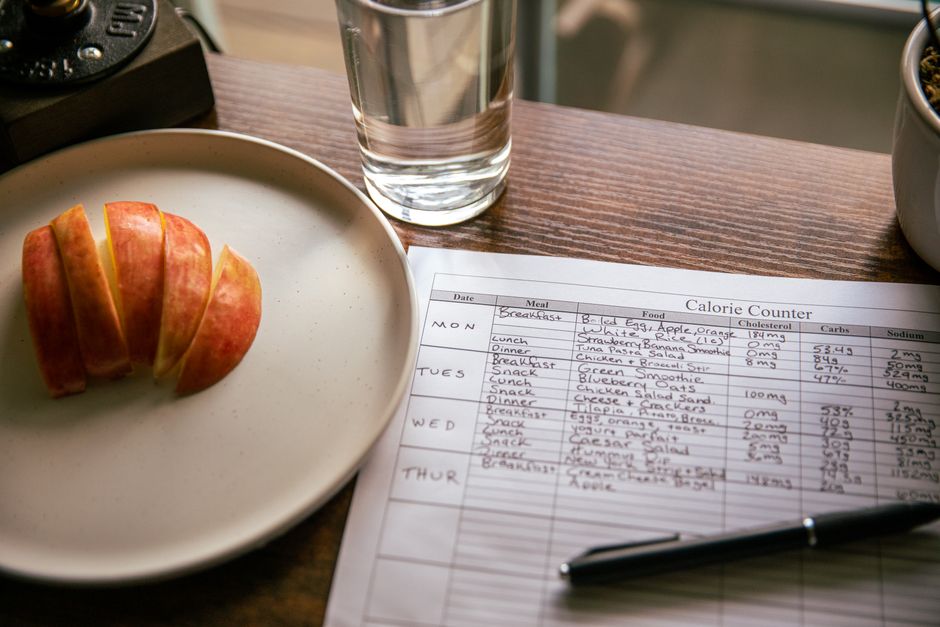
There is no single number that works for everyone. Most adults eat somewhere between 300 and 500 calories at breakfast, but the right amount depends on your total daily calorie needs, your activity level, and whether you eat breakfast at all. What matters more than the number is what those calories are made of.
How Many Calories Should You Eat For Breakfast?
For most adults, a breakfast in the 300 to 500 calorie range fits comfortably into a typical daily eating pattern. That range comes from dividing daily calorie needs across meals, not from any rule about breakfast itself.
Daily calorie needs vary widely. General guidance from the Dietary Guidelines for Americans places adult women at roughly 1,600 to 2,400 calories per day and adult men at roughly 2,000 to 3,000, depending on age and activity level. If breakfast is one of three meals, that puts a typical breakfast somewhere between 400 and 800 calories. If you eat four or five smaller meals, breakfast lands lower.
Here is the part most calorie charts skip. Breakfast is not a required meal. There is no biological rule that says you must eat a set number of calories in the morning. People who skip breakfast are not automatically undereating or overeating — they simply distribute their intake differently across the day.
Why Your Total Daily Calories Matter More Than Breakfast Alone
Body weight is regulated primarily by total energy intake and expenditure over time, not by how those calories are split between meals. Research on meal timing has not produced consistent evidence that eating more calories earlier in the day leads to meaningfully better weight outcomes than eating them later.
This is where breakfast gets oversold. For years, the claim circulated that eating breakfast “boosts metabolism” or prevents weight gain. The evidence does not support that. Some studies have found that people who eat breakfast tend to weigh less, but these are observational findings. People who eat breakfast may differ from those who skip it in many other ways — sleep, smoking, overall diet quality, physical activity — and those differences are hard to separate out.
When researchers have tested breakfast directly in randomized trials, the results have generally been modest or neutral. Some trials found that adding breakfast did not lead to weight loss, and some found that skipping it did not lead to weight gain. The honest summary: breakfast is one meal, and its calorie count matters mainly as part of your daily total.
How Do You Estimate Your Breakfast Calories?
Start with your daily calorie needs, then decide how much of that you want in the morning. A few reference points help.
- Sedentary adult woman, roughly 1,800 calories per day: a 350 to 450 calorie breakfast fits a three-meal pattern.
- Active adult man, roughly 2,600 calories per day: a 500 to 650 calorie breakfast fits a three-meal pattern.
- Anyone eating five smaller meals: 250 to 400 calories at breakfast is common.
- Anyone doing intentional calorie restriction: breakfast calories depend entirely on the daily target your clinician or dietitian set.
These are starting estimates, not prescriptions. Individual needs vary with body size, muscle mass, activity, medications, and medical conditions.





What Does 300 to 500 Calories Actually Look Like?
Calorie counts are abstract until you see them on a plate. Portion sizes matter more than food choice when you are trying to hit a number.
Using standard reference values from USDA nutritional data:
- One large egg: about 70 calories
- One slice of whole-wheat bread: about 80 calories
- One tablespoon of peanut butter: about 95 calories
- One cup of cooked oatmeal: about 150 calories
- One medium banana: about 105 calories
- One cup of plain whole-milk yogurt: about 150 calories
- One cup of 2% milk: about 120 calories
Two eggs, one slice of whole-wheat toast, and a medium banana lands near 325 calories. A cup of oatmeal with a tablespoon of peanut butter and a banana lands near 350. A cup of whole-milk yogurt with a banana and a tablespoon of peanut butter lands near 350.
Notice how quickly calories add up with added fats and sugars. A single tablespoon of butter is about 100 calories. A large flavored coffee drink can exceed 300 calories on its own. Those are not moral judgments — they are just the arithmetic, and they explain why two breakfasts that look similar on a plate can differ by 400 calories.
Does Breakfast Composition Matter as Much as Calories?
Yes. Two breakfasts with identical calories can affect hunger and blood sugar very differently.
Protein and fiber tend to increase satiety — the feeling of fullness — more than refined carbohydrates and added sugars do. A breakfast built around eggs, yogurt, beans, or nuts tends to hold hunger longer than one built around pastries, sweetened cereal, or juice. This is well established in appetite research, though individual responses vary.
Fiber from whole grains, fruit, and vegetables slows digestion and blunts the blood sugar rise after a meal. For people with type 2 diabetes or prediabetes, the carbohydrate content and quality of breakfast can matter for blood glucose control, and breakfast choices are often part of a broader eating plan developed with a clinician or dietitian.
One clarification worth making: “breakfast foods” are a cultural category, not a nutritional one. There is no biological reason eggs and toast belong in the morning and rice, soup, or leftovers do not. If your goal is hitting a calorie target with adequate protein and fiber, the specific foods are flexible.
Should You Eat Breakfast at All?
Whether to eat breakfast is a separate question from how many calories it should contain. For healthy adults, the evidence does not show that eating breakfast is required for good health, nor that skipping it is harmful.
Some people wake up hungry and function better after eating. Others are not hungry until midday and feel fine waiting. Both patterns are normal. Appetite in the morning is influenced by genetics, sleep quality, medications, stress, and what you ate the night before.
There are situations where breakfast matters more. People who take certain diabetes medications may need to eat at consistent times to avoid low blood sugar, and this should be discussed with a prescribing clinician. Children and adolescents generally benefit from eating in the morning for attention and energy, though the effect size varies across studies. Athletes training in the morning often need fuel before or after sessions. Pregnant women and people with certain medical conditions should follow guidance from their own clinician rather than a general rule.
What About Intermittent Fasting?
Intermittent fasting patterns often skip breakfast entirely. Some evidence suggests that time-restricted eating can support weight loss for some people, but the effect appears to come mainly from eating fewer total calories, not from the timing itself.
When daily calories are matched, studies comparing early eating versus later eating have generally found small or inconsistent differences in weight outcomes. There is ongoing research on metabolic markers like insulin sensitivity and blood pressure, and results are mixed. If you are considering intermittent fasting and you take medications, are pregnant or breastfeeding, have diabetes, or have a history of disordered eating, talk with a clinician first. No clinical guidelines currently recommend intermittent fasting as a universal approach.
The Bottom Line on Breakfast Calories
There is no universal breakfast calorie number. A range of 300 to 500 calories fits many adults eating three meals, but the right target depends on your total daily needs and how you divide them. Protein and fiber quality matters as much as the count. And eating breakfast is optional for most healthy adults — it is a personal pattern, not a health requirement.
If you want a specific number for your situation, a registered dietitian or your primary care clinician can help you set one based on your goals, activity, and health history. That beats any general range, including this one.
Frequently Asked Questions
How many calories should I eat for breakfast to lose weight?
There is no fixed breakfast calorie target for weight loss. What matters is your total daily calorie intake relative to your energy needs, not how the calories are distributed across meals.
Is 300 calories enough for breakfast?
For many adults, 300 calories is a reasonable breakfast if it includes protein and fiber and fits within daily needs. It may be too little for very active people or those eating only three meals a day.
Is it OK to skip breakfast entirely?
For most healthy adults, skipping breakfast is not harmful and does not cause weight gain on its own. People who take certain diabetes medications or have other medical conditions should check with their clinician first.
What is a healthy breakfast calorie range for a woman versus a man?
General calorie guidance places adult women at roughly 1,600 to 2,400 calories per day and adult men at roughly 2,000 to 3,000, so breakfast ranges differ accordingly. Individual needs vary with age, size, and activity level.
