
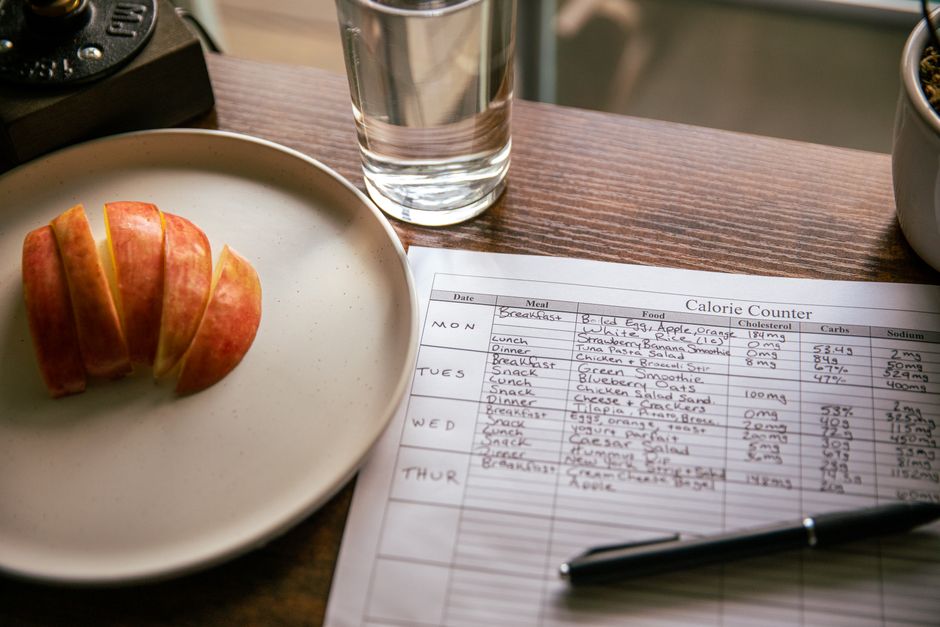
After gastric sleeve surgery, your stomach can only hold a small amount of food at once. That physical limit — not willpower — is what drives calorie intake in the first year. Most people eat roughly 600 to 800 calories a day in the first few months, gradually reaching about 1,000 to 1,200 calories a day by the end of the first year. Long-term intake usually settles somewhere between 1,200 and 1,500 calories a day, though this varies with your height, weight, activity level, and how far out from surgery you are.
Those numbers are general ranges, not prescriptions. Your surgical team sets your specific targets based on your body and your rate of weight loss. The more useful question is not just how many calories, but what those calories are made of — because after sleeve surgery, food volume is limited and nutrition density matters more than at any other point in your life.
How Many Calories Should I Be Eating After Gastric Sleeve?
There is no single number that applies to everyone. Calorie needs after sleeve gastrectomy depend on your starting weight, your current weight, your activity level, your age, and how much time has passed since surgery. What follows is the general pattern most bariatric programs use.
In the first two to four weeks, you are on a liquid or pureed diet and calorie intake is very low — often under 600 calories a day. This is intentional and temporary. Your body is healing, and your stomach cannot tolerate solid food yet.
By around three months, most people are eating soft or regular textures and taking in roughly 600 to 800 calories a day. By six months, intake often rises to about 800 to 1,000 calories. By the one-year mark, many people land between 1,000 and 1,200 calories a day.
After that first year, calorie needs tend to creep up. This is normal. Your stomach may stretch slightly, your hunger hormones may shift, and your body weight has changed. Long-term intake for many people falls between 1,200 and 1,500 calories a day. Some people maintain on fewer. Some active people need more.
A useful reference point: a registered dietitian can estimate your resting energy needs using your current body weight, then adjust upward for activity. This is far more accurate than applying a blanket number from the internet.
Why Do Calorie Needs Change Over Time After Surgery?
Your stomach is not static after sleeve surgery. The sleeve is created by removing most of the stomach and stapling the remainder into a narrow tube. In the early months, that tube holds very little and empties in a way that limits how much you can eat at one sitting.
Over time, the sleeve can stretch somewhat. This is not a failure — it is normal tissue adaptation. As it stretches, you can eat more at once, and calorie intake naturally rises. Hunger also tends to return. Ghrelin, a hormone produced largely in the stomach that drives appetite, drops sharply after surgery. But it does not stay suppressed forever. Many people notice hunger returning somewhere between six months and two years out.
Your body weight also changes the math. A smaller body burns fewer calories at rest. If you started at 300 pounds and now weigh 200, your resting energy expenditure has dropped. Eating the same amount that once caused weight loss may now maintain weight — or cause regain.
This is why the calorie number is a moving target. It is not a fixed rule you learn once and follow forever.
Does the Type of Calorie Matter More Than the Number?
After sleeve surgery, the composition of your diet matters enormously — arguably more than the raw calorie count. The reason is simple: you can only eat a small volume of food. Every bite has to earn its place.
Protein comes first. Most bariatric programs recommend a protein target rather than a calorie target as the primary daily goal. Common guidance is 60 to 80 grams of protein a day, though some programs recommend more, especially for people who are physically active or who have lost a lot of muscle mass. Protein preserves lean muscle, supports healing, and helps with satiety.
After protein, the priorities are vegetables, fruits, and small amounts of healthy fats and complex carbohydrates. Foods high in refined sugar and refined starch are poorly tolerated by many people and tend to crowd out nutrient-dense options without providing lasting fullness.
There is a real physiological reason sugary and starchy foods are problematic after sleeve surgery. Rapidly absorbed sugar can trigger what is sometimes called dumping syndrome — nausea, sweating, rapid heart rate, and diarrhea. Not everyone experiences this, but many do. It is one of the reasons bariatric teams emphasize protein-forward eating.
The practical takeaway: two people eating 1,000 calories a day can have very different outcomes depending on whether those calories come mostly from protein and vegetables or from crackers and juice.
What Does a Typical Day of Eating Look Like at Different Stages?
Portions after sleeve surgery are measured in ounces, not cups. In the early months, a single meal might be two to four ounces of soft protein. By six months to a year, a meal might be four to six ounces total.
Eating three small meals a day plus one or two small protein-focused snacks is a common pattern. Some people do better with three meals and no snacks. The right structure depends on what controls hunger for you and what your surgical team recommends.
Fluids are a separate issue. You cannot drink large volumes at once, and drinking with meals can push food through faster and reduce how long you feel full. Most programs advise stopping fluids about 30 minutes before a meal and waiting about 30 minutes after. Sipping fluids throughout the day — aiming for around 48 to 64 ounces total — is standard guidance.
Can You Eat Too Few Calories After Gastric Sleeve?
Yes. Eating too little is a real risk, and it is discussed far less often than eating too much. When calorie intake stays very low for a long time, the body can break down muscle for energy. That includes heart muscle. Loss of lean mass slows metabolism and can leave you weak, fatigued, and unable to exercise — which in turn makes long-term weight maintenance harder.
Very low intake also makes it hard to meet vitamin and mineral needs. After sleeve surgery, your body absorbs some nutrients less efficiently. This is why lifelong supplementation with a bariatric-specific multivitamin, vitamin B12, vitamin D, calcium, and often iron is standard. These are not optional. They are part of the surgery, not an add-on.
If you are consistently eating below your program’s target, losing weight very rapidly beyond the expected window, or feeling constantly exhausted, that is worth raising with your care team. Faster weight loss is not automatically better.
Why the Number on the Scale Is Not the Only Measure
Calorie targets are a tool, not a verdict. They help you gauge whether you are eating enough to protect muscle and meet nutrient needs without eating so much that weight regain becomes likely. But weight change after sleeve surgery is influenced by many things — hormonal shifts, activity, sleep, stress, medication, and how long it has been since surgery.
Some people lose weight steadily for 12 to 18 months and then plateau. That plateau is expected. It does not mean the surgery stopped working. It usually means your body has reached a new energy balance point.
If you are regaining weight, the answer is rarely just “eat less.” It is usually worth looking at protein intake, meal structure, grazing patterns, liquid calories, and whether hunger has returned. A bariatric dietitian can help you work through these systematically.
One non-obvious point: liquid calories are a common blind spot. A protein shake counts as food, but a sweetened coffee drink, juice, or smoothie can add several hundred calories without making you feel full at all. These slip past the sleeve’s volume limit entirely.
Frequently Asked Questions
How many calories should I eat 6 months after gastric sleeve?
Most people eat roughly 800 to 1,000 calories a day around six months after surgery. Your specific target depends on your weight, activity level, and your surgical team’s guidance.
Is 800 calories a day enough after gastric sleeve?
In the first few months, 800 calories or fewer is common and expected. Long term, eating that little can lead to muscle loss and nutrient deficiencies, so it should be discussed with your care team.
Will I gain weight if I eat 1,200 calories after gastric sleeve?
Not necessarily. Whether 1,200 calories causes weight gain, weight loss, or maintenance depends on your body size, activity level, and how far out from surgery you are.
Should I count calories after gastric sleeve surgery?
Some programs recommend tracking calories and protein, especially in the first year. Others focus on protein goals and portion sizes instead. Follow whatever approach your bariatric team advises.
