
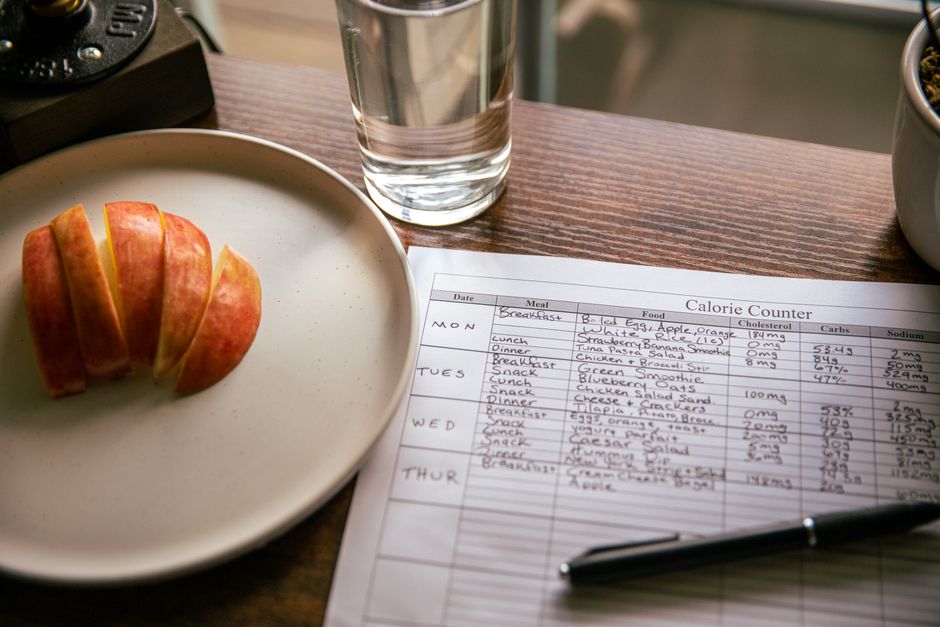
There is no single correct number, but there is a useful range. For most adults, a breakfast of roughly 300 to 500 calories fits well within a balanced day. That range works because it leaves room for lunch, dinner, and snacks without pushing you past the calories your body needs to maintain its weight.
Your actual target depends on your total daily calorie needs, which vary widely by age, sex, body size, and activity level. A smaller, less active person may do fine with 300. A larger, very active person may need 500 or more. The breakfast itself matters less than how it fits into the whole day.
How Many Calories Should A Breakfast Be?
Breakfast should generally account for about 20 to 25 percent of your total daily calories. If you eat around 2,000 calories a day, that puts breakfast in the 400 to 500 calorie range. If your daily total is closer to 1,600, a 320 to 400 calorie breakfast lines up better.
These percentages are a practical guide, not a rule handed down by any authority. No major health organization has issued an official calorie target for breakfast specifically. The guidance that does exist focuses on total daily intake and overall diet quality.
What the research does support is that breakfast composition matters as much as the number. A 400-calorie breakfast built on protein, fiber, and whole grains behaves very differently in your body than a 400-calorie breakfast of juice and a pastry. Same calories, different effects on hunger and blood sugar through the morning.
What Does 400 Calories of Breakfast Actually Look Like?
Calorie counts on paper rarely match what people picture on a plate. Here is how common breakfasts stack up against a typical 300 to 500 calorie target.
- Two eggs, one slice whole-wheat toast, half an avocado: roughly 350 to 400 calories
- One cup cooked oatmeal with a tablespoon of peanut butter and half a banana: roughly 350 to 400 calories
- Plain Greek yogurt (one cup), berries, and a small handful of nuts: roughly 300 to 350 calories
- Bagel with cream cheese: often 400 to 500 calories on its own, with little protein
- Large flavored coffee drink plus a muffin: frequently 600 calories or more
- Bowl of sugary cereal with milk: around 300 calories, but usually leaves you hungry within a couple of hours
The pattern is clear. Breakfasts with protein and fiber tend to land in the target range naturally. Breakfasts built on refined carbohydrates and added sugar tend to overshoot the calories while undershooting satiety.
Why Does Breakfast Size Matter at All?
Total daily calories are what drive weight change. Breakfast is one piece of that total, and a very large breakfast can crowd out the rest of your day. A very small one can leave you grazing by mid-morning.
Breakfast also sets the tone for blood sugar. After an overnight fast, your body is more sensitive to what you eat first. A breakfast heavy in refined sugar and low in protein tends to produce a faster rise and fall in blood glucose. That swing is often followed by hunger and cravings well before lunch.
Protein and fiber slow digestion and support steadier blood sugar. Some studies suggest that a higher-protein breakfast can reduce hunger later in the morning compared with a carbohydrate-heavy one of the same calories. The effect is real but modest. It is not a weight-loss strategy on its own.





Does Skipping Breakfast Ruin Your Day?
No. The old idea that skipping breakfast slows your metabolism or causes weight gain has not held up well under scrutiny. Some large observational studies linked breakfast skipping to higher body weight, but those studies cannot show cause and effect. People who skip breakfast differ from breakfast eaters in many other ways.
When researchers have tested this directly in controlled trials, the results have been mixed. Some trials found no meaningful difference in weight change between breakfast eaters and skippers. Others found small effects in either direction.
The honest position: breakfast is not mandatory for everyone. If you are not hungry in the morning and you meet your nutritional needs across the day, skipping it is not harmful for most healthy adults. If you skip breakfast and then overeat later, that pattern is worth examining. The problem is the pattern, not the skipped meal.
People with certain medical conditions, such as diabetes managed with insulin or medications that can cause low blood sugar, should discuss meal timing with their clinician. That is a different situation from the general population.
How Do You Match Breakfast Calories to Your Own Needs?
Start with your estimated daily calorie needs. These are well-established reference values from the Dietary Guidelines for Americans, which estimates daily calorie needs based on age, sex, and physical activity level.
| Activity Level | Estimated Daily Calories (Adult Women) | Estimated Daily Calories (Adult Men) | Suggested Breakfast Range (20–25%) |
|---|---|---|---|
| Sedentary | 1,600–1,800 | 2,000–2,200 | 320–550 |
| Moderately active | 1,800–2,200 | 2,200–2,800 | 360–700 |
| Active | 2,200–2,400 | 2,800–3,200 | 440–800 |
Those breakfast ranges are wide on purpose. The 20 to 25 percent figure is a practical guideline, not a clinical standard. What matters more is consistency across the day and the quality of what you eat.
One clarification worth making: a calorie is a unit of energy, and food labels can legally be off by a meaningful margin. The numbers on packages are estimates, not exact measurements. Chasing precision to the single calorie is not useful. Getting in the right range is.
What Should a Breakfast in This Range Be Made Of?
Aim for protein, fiber, and some fat. That combination supports satiety and steadier energy through the morning. The calorie target is easier to hit well when those three are present.
Protein sources at breakfast include eggs, Greek yogurt, cottage cheese, milk, tofu, and lean meats. Fiber comes from whole grains, fruit, vegetables, nuts, and seeds. Fat comes from nuts, seeds, avocado, and oils used in cooking.
The Dietary Guidelines for Americans recommend that adults get roughly 10 to 35 percent of daily calories from protein, 45 to 65 percent from carbohydrates, and 20 to 35 percent from fat. Those are broad ranges, not breakfast-specific targets. But they give you a sense of how to build a plate.
A breakfast in the 300 to 500 calorie range that includes a solid protein source and a fiber source will generally serve you better than one that hits the same number with refined carbs and added sugar. That is not a controversial claim. It aligns with what nutrition research consistently shows about satiety and blood sugar response.
What About Children and Older Adults?
Calorie needs differ across life stages. Children and teenagers have different requirements that scale with age, growth, and activity. No single breakfast calorie target applies to all children, and no clinical guidelines set one.
For older adults, appetite often declines, and getting adequate protein and calories across the day can be a challenge. A slightly larger, nutrient-dense breakfast can help meet those needs. But again, this is a general observation, not a prescriptive rule.
Pregnant and breastfeeding women have increased calorie and nutrient needs. No specific breakfast calorie target exists for these groups. The focus should be on overall diet quality and adequate intake across the day, guided by a clinician or registered dietitian.
Frequently Asked Questions
How many calories should breakfast be to lose weight?
A common approach is 300 to 400 calories, which fits within a reduced daily total for many adults. The exact number depends on your total calorie target, which should be set with your clinician or dietitian.
Is 500 calories too much for breakfast?
Not necessarily. For a moderately to very active adult eating 2,200 or more calories a day, 500 calories is a reasonable breakfast. It is too much only if it pushes your total daily intake past your needs.
Is 200 calories enough for breakfast?
It can be, but it is on the low end and may leave you hungry before lunch. A 200-calorie breakfast works better if it includes protein and fiber rather than refined carbs alone.
Does breakfast have to be a certain number of calories?
No official clinical guideline sets a calorie target for breakfast. The 300 to 500 range is a practical estimate based on typical daily calorie needs, not a medical standard.
