
Popcorn is one of the lightest snacks you can eat — or one of the heaviest, depending on how it is prepared. Plain, air-popped popcorn has about 31 calories per cup. The same cup popped in oil runs closer to 55 calories, and a cup coated in butter or caramel can top 100 calories or more. The popcorn itself barely changes. What gets added to it changes everything.
That gap is why popcorn earns both praise and confusion. Nutrition guidance often lists it as a whole grain snack. Movie theater buckets can carry more calories than a full meal. Understanding the numbers means understanding the difference between the kernel and everything piled on top of it.
How Many Calories Is Popcorn by Type?
Air-popped popcorn is the baseline. According to USDA nutritional data, one cup of air-popped popcorn contains roughly 31 calories. The same cup popped in oil contains about 55 calories. These figures refer to plain popcorn with nothing added — no butter, no salt, no seasoning.
Once toppings enter the picture, the numbers climb fast. A tablespoon of butter adds about 100 calories. That single tablespoon can more than triple the calorie count of a three-cup serving of air-popped popcorn.
Here is how common types compare per one-cup serving:
| Type of Popcorn | Calories per Cup | Notes |
|---|---|---|
| Air-popped, plain | ~31 | No oil, no toppings |
| Oil-popped, plain | ~55 | Popped in oil, no toppings |
| Lightly buttered | ~90–130 | Depends on amount of butter |
| Movie theater, buttered | Varies widely | Can exceed 100 per cup |
| Caramel or kettle corn | ~120–150 | Sugar coating adds calories |
The ranges for buttered and coated popcorn are wide because preparation varies so much. There is no single standard. A small amount of butter and a heavy pour produce very different results.
Why Does Air-Popped Popcorn Have So Few Calories?
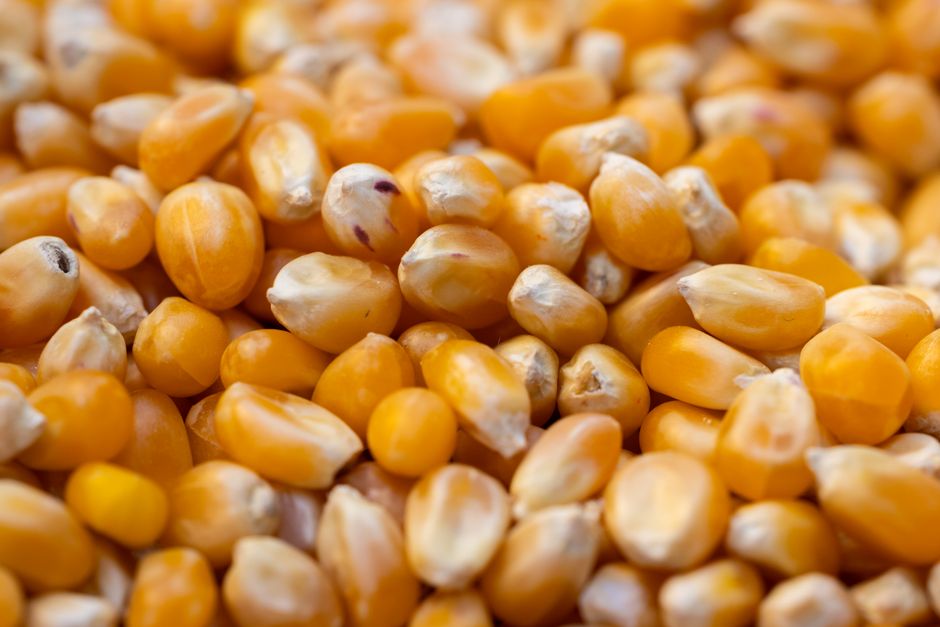
Popcorn is mostly air after it pops. A kernel is a seed with a hard outer shell and a starchy center that contains a small amount of water. When heated, that water turns to steam and builds pressure until the shell bursts. The starch inside expands and puffs up.
That expansion is the whole story. The same kernel that started as a dense, hard seed becomes a light, airy piece many times its original size. The calories do not disappear — they spread out across a much larger volume. One cup of popped popcorn weighs very little, so it carries very few calories.
This is why popcorn is often described as energy-dense or not, depending on preparation. Plain popcorn has few calories for its volume, which means you can eat a large bowl without taking in a large number of calories. Add fat or sugar and that advantage shrinks or disappears entirely.
Popcorn is also a whole grain. The kernel contains the bran, germ, and endosperm — the three parts that define a whole grain. That makes plain popcorn a source of fiber, with roughly 1 gram of fiber per cup of air-popped popcorn. It is not a fiber powerhouse cup for cup, but the volume makes it easy to eat several cups at once.
How Many Calories Are in a Bag of Microwave Popcorn?
A standard microwave popcorn bag varies widely by brand and flavor. Most bags list their nutrition facts per serving rather than per bag, and many bags contain two or three servings. This is where calorie counts surprise people.
A bag labeled as three servings at 35 calories per serving actually delivers about 105 calories if you eat the whole bag. That is not a problem in itself — 105 calories is modest. The issue is that many people assume the whole bag is one serving.
Butter-flavored microwave popcorn tends to run higher than plain or lightly salted versions. Some butter-flavored bags contain added oils and flavorings that push the per-serving count to 40–50 calories or more. Light versions often use less oil and fewer calories, though “light” on a label refers to specific nutrient reductions defined by food labeling rules, not a guarantee that the product is low in calories overall.
The practical step is simple. Read the serving count on the bag. If a bag holds three servings, the whole bag holds three times the listed calories.





How Many Calories Are in Movie Theater Popcorn?
Movie theater popcorn is difficult to pin down because theaters differ in how they pop and top it. What is consistent is that theater popcorn is typically popped in oil and then topped with a butter-flavored topping that is often part oil. Both steps add calories.
Because serving sizes and preparation methods vary so much between theaters, no single calorie figure applies. A small bag at one theater may carry fewer calories than a medium at another. Some theater chains publish nutrition information for their popcorn, and those numbers can be quite high for larger sizes.
If you want a rough sense of the range: a modest theater serving with light topping may land in the low hundreds of calories, while a large bucket with heavy topping can exceed a thousand. The exact number depends entirely on the theater and how much topping is added.
One detail worth knowing: the “butter” at most theaters is not butter. It is usually a flavored oil topping. That does not make it lower in calories — oil and butter have similar calorie density — but it explains why theater popcorn tastes the way it does.
Is Popcorn a Healthy Snack?
Plain popcorn fits well into most eating patterns. It is a whole grain, it provides some fiber, and it delivers a large volume of food for relatively few calories. Research has generally supported the idea that eating popcorn in place of other snack foods can reduce overall calorie intake, though the effect depends on what you are replacing and how the popcorn is prepared.
The health picture changes with preparation.
- Air-popped or lightly oil-popped: low in calories, a source of fiber, and a whole grain.
- Buttered or heavily oiled: much higher in calories and saturated fat.
- Caramel, kettle corn, or candy-coated: high in added sugar and calories.
- Movie theater with heavy topping: can be very high in calories and saturated fat.
Popcorn also has a reputation as a choking hazard for young children, and that concern is well established. The shape and texture of popped kernels make them difficult for young children to chew safely. This is a genuine safety issue, not a minor one.
For adults, the main consideration is what goes on top. A bowl of air-popped popcorn with a light sprinkle of seasoning is a very different food from a bucket of buttered theater popcorn, even though both are called popcorn.
How Can You Keep Popcorn Calories Low?
The kernel is not the problem. Toppings are. A few adjustments keep the calorie count close to the air-popped baseline.
- Air-pop instead of popping in oil. This saves roughly 24 calories per cup compared with oil-popped.
- Measure butter rather than pouring freely. One tablespoon adds about 100 calories.
- Use seasoning instead of fat. Herbs, spices, and a light dusting of grated hard cheese add flavor with few calories.
- Watch serving size on microwave bags. A bag is often more than one serving.
- Choose plain or lightly salted theater popcorn and skip the topping.
None of this requires giving up popcorn. It requires knowing that the calories come from what you add, not from the kernel itself.
One clarification worth making: popcorn is not a “negative calorie” food, and no food burns more calories than it provides. That claim circulates online but is not supported by evidence. Popcorn is simply low in calories for its volume, which is a different thing.
Frequently Asked Questions
How many calories are in one cup of air-popped popcorn?
One cup of plain air-popped popcorn contains about 31 calories, based on USDA nutritional data. This figure applies to popcorn with no oil, butter, or other toppings added.
How many calories are in a bag of microwave popcorn?
It depends on the brand and flavor, and most bags contain more than one serving. A bag labeled as three servings at 35 calories each delivers about 105 calories if you eat the whole bag.
Is movie theater popcorn high in calories?
It can be very high because it is typically popped in oil and topped with a butter-flavored oil. Exact calories vary by theater and serving size, and some large sizes with heavy topping can exceed a thousand calories.
Does popcorn have fewer calories than chips?
Plain air-popped popcorn has fewer calories per cup than most chips, largely because it is mostly air. Buttered or caramel-coated popcorn can have similar or higher calorie counts depending on the topping.
