
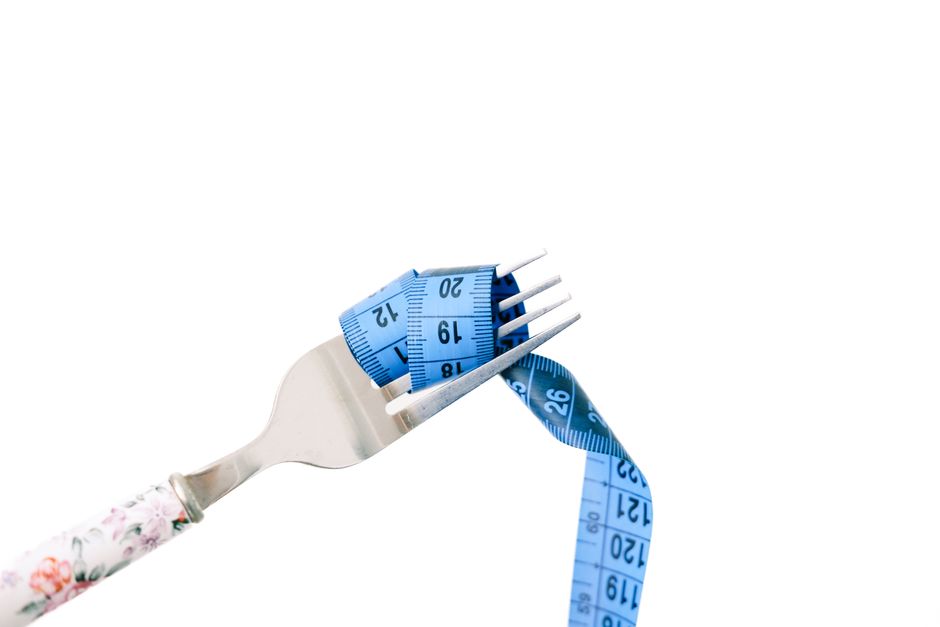
A single tablespoon of olive oil contains about 119 calories. That number holds true for extra virgin, virgin, and regular olive oil because all fats deliver the same energy density. The calorie count does not change based on brand, quality, or whether the oil is cold-pressed. What changes with quality is the level of beneficial plant compounds, not the calorie content.
How Many Calories Is A Tablespoon Of Olive Oil?
A tablespoon of olive oil has approximately 119 calories. This is a standard measurement in the United States, where one tablespoon equals 15 milliliters. All cooking oils — olive, canola, avocado, and coconut — provide roughly the same calories per tablespoon because they are nearly pure fat.
Fat supplies 9 calories per gram. Protein and carbohydrates supply 4 calories per gram. Since olive oil contains no protein and no carbohydrates, its calorie count comes entirely from fat. A 15-milliliter serving weighs about 13.5 grams, and nearly all of that weight is fat.
Why Do All Olive Oils Have The Same Calories?
Extra virgin, virgin, and refined olive oil share the same basic chemical structure. They are all composed of triglycerides — molecules made of glycerol bound to three fatty acids. The refining process removes impurities and some flavor compounds, but it does not change the fat content.
Cold-pressed versus heat-extracted makes no difference to calories either. Extraction methods affect taste, aroma, and antioxidant content. They do not alter the energy value of the oil itself.
This is a common point of confusion. People assume that a more premium product like cold-pressed extra virgin olive oil might be lighter or lower in calories. It is not. The calorie math is identical across all olive oil grades.
Calories In Common Olive Oil Serving Sizes
Most people do not measure oil with a spoon. They pour it into a pan or drizzle it over a salad. That makes it easy to underestimate how much oil you are actually consuming.
- 1 teaspoon: about 40 calories
- 1 tablespoon: about 119 calories
- 1/4 cup (4 tablespoons): about 477 calories
- 1/2 cup (8 tablespoons): about 954 calories
A standard salad dressing made with 2 tablespoons of olive oil adds roughly 238 calories before you account for vinegar, lemon juice, or other ingredients. A pan with 3 tablespoons of oil for sautéing adds about 357 calories to the dish.
Restaurant cooking often uses more oil than home cooking. A vegetable dish described as “sautéed” may absorb 2 to 4 tablespoons of oil depending on preparation method. That can add 238 to 477 calories you did not plan for.





Does Olive Oil Quality Affect Weight Gain?
All fats contribute equally to calorie intake. There is no evidence that olive oil calories are processed differently than calories from other oils when it comes to weight management.
What matters for body weight is total calorie balance. Consuming more calories than your body burns leads to weight gain over time, regardless of whether those calories come from olive oil, butter, or carbohydrates.
Some research suggests that diets rich in olive oil — particularly the Mediterranean diet — are associated with healthy body weight and reduced risk of obesity-related conditions. But this likely reflects the overall eating pattern, not a special property of olive oil calories themselves.
The practical takeaway is simple. Olive oil is a healthy fat source, but it is still a concentrated source of calories. Using it generously adds up quickly.
How To Measure Olive Oil Accurately
Eyeballing oil pours is unreliable. A quick tilt of the bottle can easily deliver 2 to 3 tablespoons without looking excessive.
Using a measuring spoon is the most accurate method for home cooking. For daily use, many people find it helpful to measure once to see what a true tablespoon looks like in their usual pan or bowl. That visual reference makes future pours more accurate.
Kitchen scales offer even greater precision. Since olive oil weighs about 13.5 grams per tablespoon, weighing your pour tells you exactly how much you are using. This is especially useful for people tracking calories carefully.
Oil sprays are a common workaround, but they come with a catch. A one-second spray delivers about 7 calories, which is minimal. However, most people spray for several seconds, and the calorie count rises accordingly. Some sprays also contain propellants or additives, so check the label if ingredient purity matters to you.
Olive Oil Calories Compared To Other Fats
Olive oil is not uniquely high or low in calories. It sits right in line with every other cooking fat.
| Fat Type | Calories Per Tablespoon |
|---|---|
| Olive oil | 119 |
| Canola oil | 120 |
| Coconut oil | 117 |
| Butter | 102 |
| Ghee | 112 |
Butter has slightly fewer calories per tablespoon because it contains water and milk solids, not just fat. But those solids also mean butter delivers less pure fat per serving. The difference is minor in practical terms.
What distinguishes olive oil from other fats is its fatty acid profile and antioxidant content, not its calorie count. Extra virgin olive oil is rich in monounsaturated fats, particularly oleic acid, and contains polyphenols that have been studied for their anti-inflammatory properties.
Should You Avoid Olive Oil To Cut Calories?
No. Olive oil provides genuine nutritional value beyond calories. The Mediterranean diet, which includes olive oil as a primary fat source, is one of the most studied eating patterns in nutrition research. It is consistently associated with lower rates of heart disease and improved metabolic health.
The problem is rarely olive oil itself. The problem is portion size. A drizzle becomes a pour. A pour becomes a quarter cup. Before you know it, a salad that should be 300 calories is carrying 500 calories of oil.
Replacing olive oil with zero-calorie cooking sprays or water-based cooking methods will reduce calories. But that comes at a cost — you lose the flavor and the beneficial compounds that make olive oil valuable.
A reasonable approach is to keep olive oil in your diet while measuring it. Use one tablespoon for sautéing vegetables. Use one to two tablespoons for a salad dressing. Track it like any other calorie source.
Does Heating Olive Oil Change Its Calories?
Heating olive oil does not change its calorie content. Frying, sautéing, or roasting with olive oil keeps the same 119 calories per tablespoon.
What changes with heat is the oil’s chemical structure and flavor. High heat can degrade some of the polyphenols and produce compounds that affect taste. Extra virgin olive oil has a relatively high smoke point — around 375 to 405 degrees Fahrenheit — which makes it suitable for most home cooking methods.
One thing to note: food absorbs oil during cooking. A fried food item will contain more oil — and more calories — than the same food baked or grilled. The oil itself does not gain calories from heat, but the food you cook in it will carry more of the oil into your body.
Practical Tips For Managing Olive Oil Calories
Measure your oil at least once to recalibrate your eye. Most people are surprised by how small a true tablespoon is.
Use a salad spinner to dry greens before dressing them. Water on leaves causes dressing to slide off, which leads people to add more oil to compensate. Dry greens hold dressing better with less oil.
Pour oil into a small dish and use a brush for coating pans or bread. This distributes the oil more evenly than pouring directly.
Be honest with yourself about restaurant portions. A salad described as “lightly dressed” can easily contain 3 to 4 tablespoons of oil. If you are tracking calories, ask for dressing on the side and measure it yourself.
Frequently Asked Questions
How many calories are in a teaspoon of olive oil?
One teaspoon of olive oil contains about 40 calories. This is one-third of a tablespoon, so the math follows directly from the tablespoon measurement.
Is extra virgin olive oil lower in calories than regular olive oil?
No. Extra virgin, virgin, and regular olive oil all contain about 119 calories per tablespoon. The production process affects flavor and antioxidants, not calorie content.
Does cooking with olive oil add calories to food?
Yes. Food absorbs some of the oil during cooking, which adds those calories to the finished dish. The exact amount depends on cooking method and how much oil you use.
Can olive oil help with weight loss?
Olive oil itself does not cause weight loss. It is a calorie-dense food that fits into a weight management plan only when portions are controlled. Its health benefits come from its fat profile, not from any fat-burning property.
