
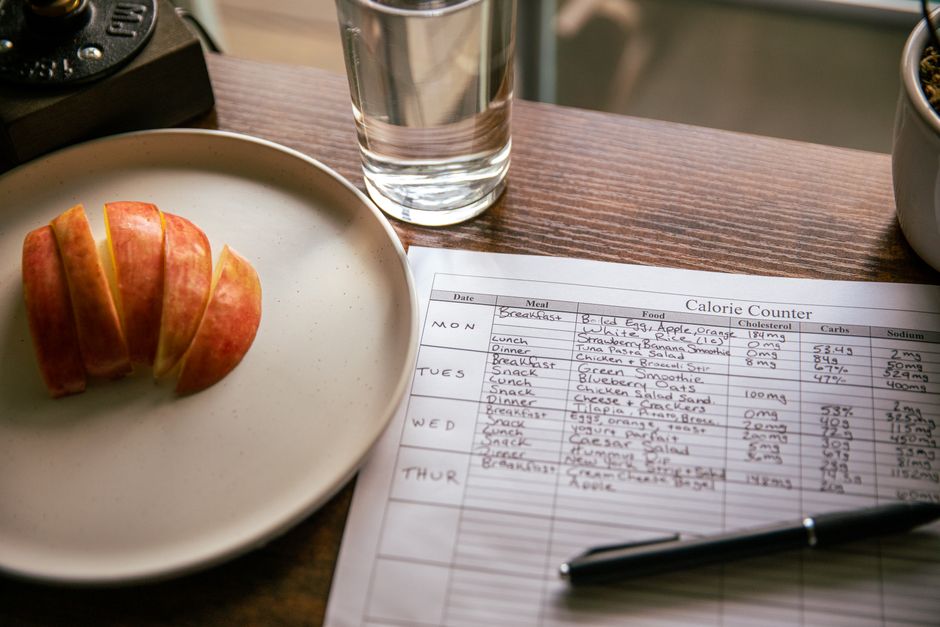
A small apple contains about 77 calories. That figure comes from the USDA FoodData Central database, which lists a small apple at roughly 3 ounces (about 85 grams) with 77 calories. A medium apple runs closer to 95 calories, and a large one about 116.
That is the short answer. The longer answer matters more if you are counting calories, watching blood sugar, or trying to figure out why an apple fills you up more than a granola bar with the same calorie count. Apple size, variety, and what you do with it — peel it, juice it, bake it — all shift the numbers in ways worth knowing.
How Many Calories In A Small Apple?
A small apple has about 77 calories. The USDA defines “small” as roughly 2.75 inches in diameter, weighing around 3 ounces. That is a little smaller than a tennis ball.
Almost all of those calories come from carbohydrates. A small apple has about 21 grams of carbs, mostly sugars, plus around 4 grams of fiber. Fat and protein are negligible — under half a gram each.
The calorie count is not perfectly fixed. Two small apples can differ by 10 or 15 calories depending on variety, ripeness, and water content. That variation is small enough that it rarely matters for most people.
| Apple Size | Diameter | Weight | Calories |
|---|---|---|---|
| Small | About 2.75 inches | About 3 oz (85 g) | 77 |
| Medium | About 3 inches | About 6.4 oz (182 g) | 95 |
| Large | About 3.5 inches | About 8 oz (223 g) | 116 |
Why Does Apple Size Change The Calories So Much?
Calories scale with weight, and weight scales with volume — but not in a straight line. A large apple is not twice the size of a small one, yet it carries roughly 50 percent more calories.
Here is the part most people miss. When you double the diameter of a roughly round object, you roughly cube its volume. A small apple at 2.75 inches and a large apple at 3.5 inches do not look dramatically different side by side. But the large one holds far more actual apple.
That is why estimating by “one apple” is unreliable for calorie tracking. Two people can each eat “an apple” and differ by 40 calories. Over a week, that adds up.
If you are tracking intake, weight is the more accurate measure. A kitchen scale removes the guesswork entirely. Short of that, a medium apple is the closest thing to a standard reference point at 95 calories.
Do Different Apple Varieties Have Different Calories?
Variety changes the calorie count far less than size does. A Granny Smith, Fuji, Gala, or Honeycrisp of the same weight will land within a few calories of each other.
What does shift between varieties is sugar content and acidity. Sweeter varieties like Fuji and Honeycrisp tend to carry slightly more sugar and less acid. Tarter varieties like Granny Smith carry less sugar and more acid. The total carbohydrate difference is small.
The practical takeaway: do not choose an apple variety for its calorie count. Choose it for taste, texture, or how it holds up in what you are making. Size is the lever that actually moves the number.





Does Peeling An Apple Remove Calories?
Peeling an apple removes some fiber and a small number of calories, but not enough to matter for most people. The peel makes up a thin fraction of the fruit’s total weight.
The bigger loss is nutritional. The peel holds a meaningful share of the apple’s fiber and a large share of its polyphenols — plant compounds linked to various health effects in research. Some studies suggest the peel contributes a substantial portion of the apple’s antioxidant activity.
Removing the peel might trim a handful of calories. It also removes some of what makes an apple worth eating in the first place. For most people, the tradeoff does not favor peeling.
How Many Calories Are In Applesauce And Apple Juice?
Processing changes the calorie picture more than almost anything else you can do to an apple. The fruit itself stays roughly the same, but what comes with it — or gets stripped away — changes how your body handles it.
Unsweetened applesauce made from a small apple has roughly the same calories as the whole fruit, around 77. Sweetened applesauce adds sugar and calories on top of that. The fiber content drops because the skin and much of the cell structure are broken down.
Apple juice is where the numbers diverge most. A cup of unsweetened apple juice contains roughly 114 calories and almost no fiber. It takes several apples to make that cup, and the fiber that would have slowed sugar absorption is gone. Juice also tends to be consumed faster than a whole apple, which affects how full you feel.
- Whole small apple: about 77 calories, around 4 grams of fiber
- Unsweetened applesauce (from a small apple): about 77 calories, less fiber
- Sweetened applesauce: higher calories from added sugar
- One cup unsweetened apple juice: about 114 calories, negligible fiber
Calorie for calorie, the whole apple delivers more fiber and more chewing. Both affect satiety. That does not make juice a bad choice in every context, but it is not a straight swap.
Are Apple Calories “Good” Or “Bad” For You?
Calories do not carry moral weight. An apple’s 77 calories are the same unit of energy as 77 calories from anything else. What differs is what comes packaged with them.
An apple delivers fiber, water, vitamin C, potassium, and a range of plant compounds alongside its calories. That combination affects how quickly you absorb the sugar, how full you feel, and what else you eat afterward. A food with the same calories but no fiber and no water will not have the same effect.
Apples also have a low glycemic index — a measure of how quickly a food raises blood sugar. Whole apples tend to raise blood sugar more slowly than many other carbohydrate foods. This is well established. What is less clear is whether eating apples specifically produces measurable long-term health outcomes, since most research on apples comes from observational studies that cannot prove cause and effect.
The reasonable position: apples are a solid everyday food. The evidence that they prevent specific diseases is not strong enough to make that claim. The evidence that they are a better snack than most processed alternatives is reasonable but not absolute.
Do Apple Calories Count The Same For Everyone?
No. The 77-calorie figure is an average. Your actual calorie extraction depends on several factors.
People vary in how thoroughly they chew, how fast food moves through the gut, and what their gut bacteria do with the fiber that reaches the colon. Some of that fiber gets fermented by gut bacteria into short-chain fatty acids, which the body can use for energy. That means a small number of calories may be recovered from fiber in some people and not others.
Ripe apples contain more sugar than unripe ones. Stored apples lose moisture over time, which concentrates their sugars slightly by weight. None of these differences are large, but they explain why calorie counts are estimates rather than exact figures.
For most people, a small apple is a small apple. The variation is not worth tracking unless you have a specific medical reason to be precise.
Should You Count Apple Calories At All?
For most people, no. Apples are not the food that breaks a diet. They are filling, portable, and hard to overeat compared to most snacks.
There are situations where the number matters. If you are managing diabetes and tracking carbohydrate intake, the roughly 21 grams of carbs in a small apple is relevant information. If you are following a structured calorie target and logging everything, apples belong in the log like any other food. If you are trying to gain weight and struggling to eat enough, apples are not calorie-dense, and that is worth knowing.
For everyone else, the more useful question is what the apple replaces. Swapping a small apple for a bag of chips or a pastry changes your day far more than the apple’s 77 calories ever will.
Frequently Asked Questions
How many calories are in a small apple?
A small apple has about 77 calories, based on USDA data for an apple roughly 2.75 inches across and about 3 ounces in weight. Nearly all of those calories come from carbohydrates.
Is a small apple or a medium apple better for weight loss?
Neither is inherently better — the small apple simply has fewer calories, about 77 versus 95 for a medium. What matters more is whether the apple helps you feel full and replace higher-calorie snacks.
Does peeling an apple reduce its calories?
Peeling removes a small number of calories but also strips away much of the fiber and many of the plant compounds. For most people, the nutritional loss outweighs the tiny calorie savings.
Is apple juice as healthy as a whole apple?
No. A cup of unsweetened apple juice has roughly 114 calories and almost no fiber, while a whole small apple has about 77 calories and around 4 grams of fiber. The fiber in whole apples affects how quickly sugar is absorbed and how full you feel.
