
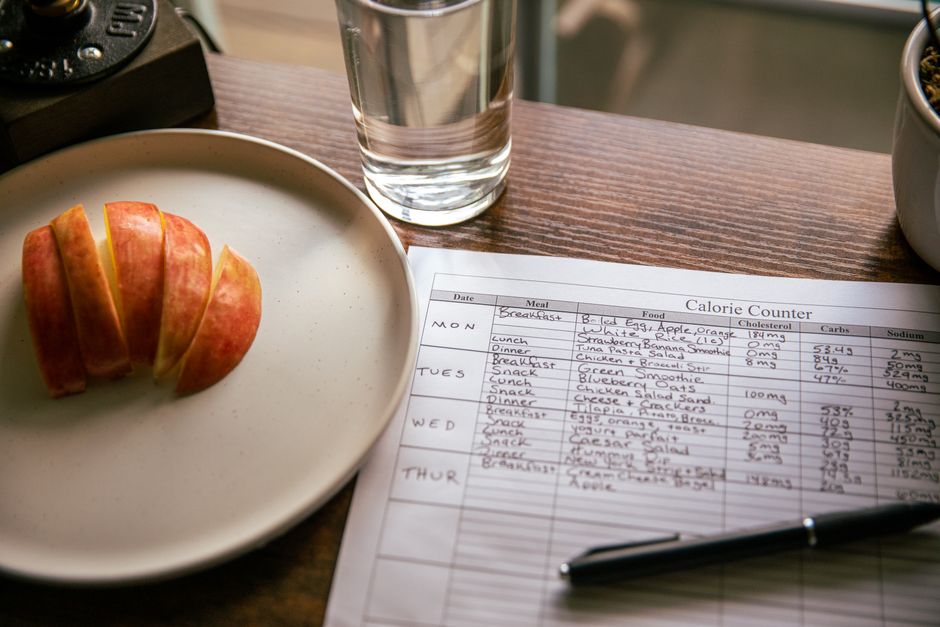
At 14 weeks pregnant, most women do not need any extra calories yet. The general clinical guidance is that you need about 340 extra calories per day starting in the second trimester — but that increase applies to the second trimester as a whole, and many clinicians don’t expect you to add them until closer to 20 weeks. At 14 weeks, you are barely into the second trimester, so your needs are still very close to your pre-pregnancy level.
That surprises a lot of people. The idea that you should be “eating for two” from the moment you find out is one of the most persistent myths in pregnancy. The reality is that calorie needs rise slowly and modestly across pregnancy, and the timing matters as much as the number.
How Many Calories Do You Need At 14 Weeks Pregnant?
Your calorie needs at 14 weeks are essentially your normal pre-pregnancy intake. If you were eating about 2,000 calories a day before pregnancy, that number is still a reasonable target right now.
The commonly cited second-trimester increase of about 340 extra calories per day comes from national dietary guidance for pregnancy. It reflects the average additional energy needed to support fetal growth, a growing placenta, increased blood volume, and a slightly higher resting metabolic rate. But it is an average across the entire second trimester, not a switch that flips the day you hit week 14.
What matters more than the exact number is the pattern. Calorie needs build gradually:
- First trimester: no additional calories required for most women
- Second trimester: roughly 340 extra calories per day on average
- Third trimester: roughly 450 extra calories per day on average
Those figures are population averages. Your individual needs depend on your pre-pregnancy weight, your activity level, whether you are carrying more than one baby, and your overall health. A woman who was very active before pregnancy may need more. A woman with a higher pre-pregnancy BMI may need less. No single number fits everyone.
If you are unsure what your baseline was, your prenatal care provider can help you set a realistic target based on your specific situation.
Why Don’t You Need Extra Calories in Early Pregnancy?
Because the energy cost of early fetal development is small. At 14 weeks, your baby weighs roughly the same as a small lemon — around 1.5 ounces. The physical demands of building that tiny amount of tissue are not large enough to require a meaningful jump in food intake.
What does rise in early pregnancy is not your calorie need but your nutrient need. Your body is ramping up blood production, building the placenta, and supporting rapid cell division in the developing brain and organs. Those processes require vitamins, minerals, protein, and healthy fats — not necessarily more total energy.
This is why prenatal nutrition guidance focuses so heavily on food quality in the first half of pregnancy. The goal is not to eat more. The goal is to eat well.
Morning sickness complicates this. If nausea or vomiting has made eating difficult, your intake may be below normal rather than above it. That is common and usually not harmful in the short term, but persistent vomiting that prevents you from keeping food or fluids down should be discussed with your provider.
What Does 340 Extra Calories Actually Look Like?
It is less food than most people picture. When the time comes to add those calories — usually later in the second trimester — 340 calories is roughly:
- A medium apple with two tablespoons of peanut butter
- A cup of plain Greek yogurt with a handful of berries and a few walnuts
- One large banana plus a hard-boiled egg and a slice of whole-grain toast
- A small bowl of oatmeal made with milk, topped with sliced almonds
That is a snack, not a second meal. The “eating for two” framing suggests doubling your intake, which would be closer to 2,000 extra calories. That is not what the evidence supports, and routinely eating that much above your needs can lead to excessive gestational weight gain, which is associated with higher risks for both mother and baby.
One detail worth knowing: the quality of those extra calories matters more than the quantity. A 340-calorie doughnut and a 340-calorie serving of salmon with vegetables deliver the same energy but very different nutrition. Protein, iron, calcium, folate, choline, and omega-3 fats are all in higher demand during pregnancy, and the extra calories are a good opportunity to meet those needs.





How Much Weight Should You Gain by 14 Weeks?
Weight gain by 14 weeks is usually modest, and the range varies widely based on your pre-pregnancy BMI. National guidelines from the Institute of Medicine (now the National Academy of Medicine) recommend total pregnancy weight gain ranges based on pre-pregnancy BMI:
- Underweight (BMI under 18.5): 28 to 40 pounds total
- Normal weight (BMI 18.5 to 24.9): 25 to 35 pounds total
- Overweight (BMI 25 to 29.9): 15 to 25 pounds total
- Obese (BMI 30 or higher): 11 to 20 pounds total
By 14 weeks, many women have gained little or nothing. Some have gained a few pounds. Some have lost weight because of nausea. All of these can be normal in the first trimester, and your provider will track the pattern rather than any single number at a single visit.
What matters is the trajectory over the whole pregnancy, not the reading at week 14. If you are concerned about your weight gain — too much, too little, or none at all — that is a conversation to have with your prenatal care provider rather than something to manage on your own.
Do You Need to Count Calories During Pregnancy?
Most women do not need to count calories at all. For the majority of pregnancies, focusing on regular meals, a variety of whole foods, adequate protein, and staying hydrated is more useful than tracking numbers.
There are situations where a provider may recommend closer attention to intake. These include:
- Pre-pregnancy underweight or obesity
- Carrying twins or more
- Gestational diabetes
- Rapid or insufficient weight gain
- Certain medical conditions affecting metabolism or digestion
In those cases, a registered dietitian or your prenatal provider can give you individualized guidance. That guidance will be based on your specific health history, not a general number from an article.
Calorie counting can also backfire during pregnancy. It can add stress, encourage restriction when your body needs nourishment, and distract from the nutrient quality that actually matters most. For most women, the better question is not “how many calories” but “am I eating a range of foods that cover what my body and my baby need.”
What Should You Focus on Instead of the Number?
Nutrient density. At 14 weeks, the priority is getting enough of the nutrients that support fetal development, even if your total calorie intake has not changed.
Key nutrients during this stage include:
- Folate — critical for neural tube development, which is largely complete by this point, but still needed throughout pregnancy
- Iron — your blood volume is expanding, and iron needs rise significantly
- Calcium and vitamin D — for your baby’s developing skeleton
- Choline — supports brain and spinal cord development
- Omega-3 fatty acids — particularly DHA, important for brain and eye development
- Protein — needed for tissue growth in both you and your baby
Your prenatal vitamin covers some of these. Food covers the rest. A varied diet that includes leafy greens, legumes, lean meats or plant proteins, dairy or fortified alternatives, eggs, nuts, seeds, and fatty fish can meet most of these needs.
Food safety also becomes more important during pregnancy. Avoiding raw or undercooked meat, unpasteurized dairy, high-mercury fish, and raw sprouts reduces the risk of infections that can affect both you and your baby. Your provider can give you a full list of foods to avoid.
When Should You Talk to Your Provider About Your Intake?
Talk to your prenatal care provider if you are gaining weight very quickly, not gaining at all after the first trimester, struggling to eat due to nausea, or unsure whether your diet is meeting your needs. These are common concerns and providers address them regularly.
There is no single correct number of calories for every pregnant woman at 14 weeks. Your needs depend on your body, your health history, and your activity level. The general guidance of no extra calories in the first trimester and about 340 extra per day in the second trimester is a starting point, not a prescription. Your provider can help you apply it to your own situation.
Frequently Asked Questions
How many extra calories should I eat at 14 weeks pregnant?
At 14 weeks, most women do not need extra calories yet. The commonly cited increase of about 340 extra calories per day applies to the second trimester as a whole and is usually added gradually rather than starting right at week 14.
Is it true you should eat for two during pregnancy?
No, that is a myth. The actual increase is roughly 340 extra calories per day in the second trimester and about 450 in the third, which is far less than doubling your intake.
What happens if I eat more than the recommended calories at 14 weeks?
Occasional overeating is not a concern. Consistently eating well above your needs can lead to excessive gestational weight gain, which is linked to higher risks for both mother and baby.
Do I need to count calories at 14 weeks pregnant?
Most women do not need to count calories. Focusing on regular meals, a variety of nutrient-rich foods, and adequate hydration is more useful for most pregnancies than tracking numbers.
