
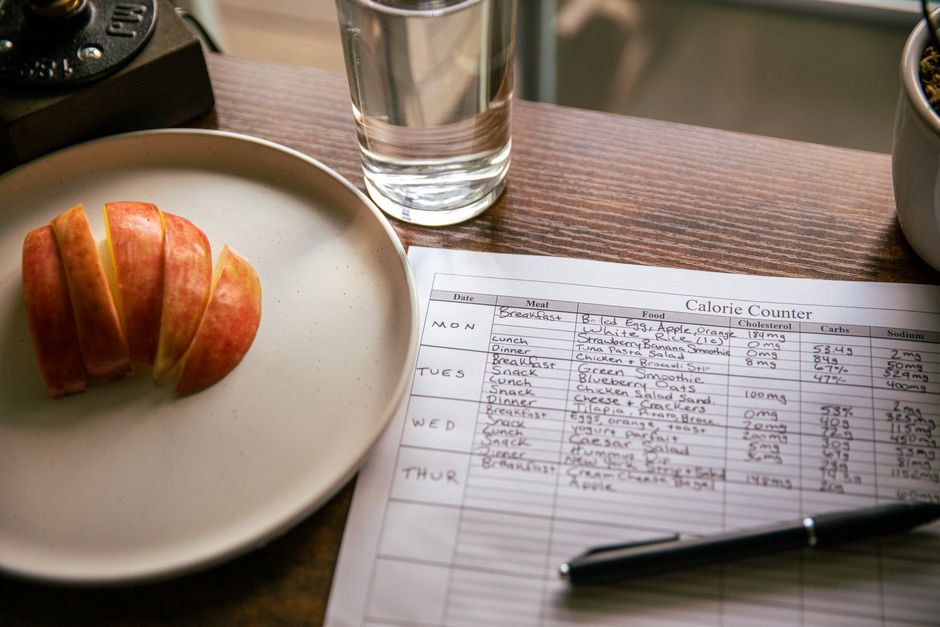
Intermittent fasting is popular, but one question confuses nearly everyone: how many calories break a fast? The short answer is that any amount of calories can break a fast, but the practical answer depends on your goal. If your goal is weight loss, staying under roughly 50 calories is often considered acceptable. If your goal is cellular repair or strict metabolic fasting, even 10 calories of certain foods can disrupt the process. The real issue is not just the number of calories, but the type of food and how your body responds to it.
What Does “Breaking a Fast” Actually Mean?
Fasting is not a single state. Your body moves through different metabolic phases as hours pass. In the first 8 to 12 hours, your body uses up stored glycogen. After that, it shifts to burning fat for fuel, producing ketones. This is the metabolic state most people want when they fast.
When you eat anything, your body releases insulin. Insulin signals your body to stop burning fat and start processing the food you just ate. Even a small amount of food can trigger this response. The key question is whether that response is significant enough to undo the benefits of your fast.
Think of it like a dimmer switch, not an on-off button. A few calories may dim the fasting state slightly. A full meal turns it off completely. The exact threshold depends on your body, your goals, and what you consume.
How Many Calories Breaks a Fast for Weight Loss?
For weight loss, the math is simpler. Fasting is a tool to help you eat fewer calories overall. If you consume a small number of calories during your fasting window, you may still lose weight as long as your total daily intake stays below what you burn.
Many intermittent fasting protocols allow up to 50 calories during the fasting window. This usually means black coffee, plain tea, or a splash of cream. The idea is that 50 calories is small enough to avoid a significant insulin spike while still keeping you comfortable.
But here is the honest part: the 50-calorie rule is not a scientific standard. It is a practical guideline used by popular fasting programs. Some research suggests that even small amounts of carbohydrates or protein can raise insulin more than fat. A tablespoon of cream has almost no carbohydrates, so it may be less disruptive than a sip of juice with the same calorie count.
If your only goal is weight loss, the most important number is your total daily calorie intake. A 50-calorie splash of cream in your coffee will not ruin your week. It may not even ruin your day. What ruins weight loss is consistently overeating during your eating window.
How Many Calories Breaks a Fast for Autophagy?
Autophagy is the process where your cells clean out damaged components. It is one of the main reasons people fast for longer periods. This is where the calorie threshold becomes much stricter.
Research on autophagy in humans is limited. Most of what we know comes from animal studies. In those studies, even small amounts of amino acids can turn off autophagy. Amino acids are the building blocks of protein. This means bone broth, which is often marketed as “fast-friendly,” may actually stop autophagy because it contains protein.
For autophagy, the safest approach is zero calories. That means water, plain black coffee, and plain tea only. No cream, no butter, no broth. Some experts believe that certain non-caloric sweeteners may still trigger an insulin response in some people, though the evidence is mixed.
The honest answer is that no one knows the exact calorie number that stops autophagy in humans. What we do know is that protein is the most likely culprit. Carbohydrates also stop autophagy. Fat is the least disruptive, but it still provides calories and may reduce the fasting state.
If autophagy is your goal, treat your fast as a zero-calorie event. Anything else is an experiment without clear data.





How Many Calories Breaks a Fast for Blood Sugar and Insulin?
If you are fasting to improve blood sugar control or insulin sensitivity, the threshold is low. Your pancreas responds to food quickly. Even small amounts of digestible carbohydrates can raise blood sugar and trigger insulin release.
Protein also raises insulin, though less than carbohydrates. Fat has the smallest effect on insulin, but it still contributes calories. This is why the type of calorie matters as much as the number.
Some research suggests that artificial sweeteners may affect insulin in some people, but the evidence is not consistent. If you are fasting for metabolic health, the safest choice is to avoid all sweeteners during your fasting window. If you must have something, choose plain water or unsweetened tea.
There is no established clinical threshold for how many calories disrupt insulin during a fast. Studies vary, and individual responses differ. What is clear is that any food with carbohydrates or protein will have some effect. The question is whether that effect matters for your specific health goal.
What Can You Consume Without Breaking a Fast?
Strictly speaking, anything with calories breaks a fast. But some beverages have so few calories that they are considered acceptable in most fasting protocols.
- Water: Zero calories. Does not break a fast.
- Black coffee: Under 5 calories per cup. Generally considered safe.
- Plain tea: Zero to 2 calories per cup. Generally considered safe.
- Apple cider vinegar: About 3 calories per tablespoon. Often used in small amounts, but evidence for its fasting benefits is limited.
- Cream or milk: 20 to 50 calories per tablespoon. May break a strict fast but may be acceptable for weight loss.
- Bone broth: 30 to 50 calories per cup. Contains protein and will likely stop autophagy.
- Diet soda: Zero calories but contains artificial sweeteners. Effects on insulin are unclear.
Notice a pattern. The safest options are water, black coffee, and plain tea. Everything else is a compromise. You are trading some fasting benefits for comfort or convenience. That trade may be worth it for you, but you should make that choice with accurate information.
Does the Type of Calorie Matter More Than the Number?
Yes. This is the most important concept to understand. A calorie is not just a calorie when it comes to fasting.
Protein and carbohydrates trigger insulin release. Insulin stops fat burning. Fat alone has a minimal effect on insulin, but it still provides energy that your body can use instead of burning stored fat.
Consider this example. A tablespoon of butter has about 100 calories and almost no protein or carbohydrates. A tablespoon of sugar also has about 50 calories but is pure carbohydrate. The butter may not spike insulin much. The sugar definitely will. The sugar is more likely to break your fast in a metabolic sense, even though it has half the calories.
This is why some fasting advocates recommend “fat fasting” or adding butter to coffee during a fast. It is not truly fasting, but it may keep you in a state closer to fasting than eating a piece of toast with the same calories.
The evidence here is not definitive. No large human trials have compared different calorie types during fasting. But the physiology is well understood. Insulin is the switch. Carbohydrates and protein flip it. Fat does not flip it as strongly.
What Happens If You Accidentally Eat 100 Calories?
Nothing catastrophic. This is where the internet can mislead you. A small snack during your fasting window is not a failure. It is a minor adjustment.
Your body will release some insulin. Fat burning may pause for a few hours. But if you return to fasting, your body will go back to burning fat once insulin levels drop. This typically happens within a few hours after eating.
The bigger risk is the “all or nothing” mindset. If you eat 100 calories and decide the day is ruined, you may overeat later. That is a bigger problem than the 100 calories themselves. One small snack does not undo days of fasting. It just means that particular fasting window was not as clean as you planned.
Be honest with yourself about your goal. If you are fasting for weight loss, a small snack is not a disaster. If you are fasting for autophagy or deep metabolic rest, then yes, you interrupted that process. But you can always start again tomorrow.
Frequently Asked Questions
Will 10 calories break a fast?
Yes, technically any calorie can break a fast. However, 10 calories from pure fat, like a small amount of cream, will have less impact on insulin than 10 calories from sugar or protein.
Does coffee with cream break a fast?
Yes, cream contains calories and will break a strict fast. For weight loss purposes, a small splash of cream is often considered acceptable, but it will stop autophagy and may reduce the metabolic benefits of fasting.
How many calories can I have while fasting and still see results?
For weight loss, staying under 50 calories is a common guideline, but it is not a scientific standard. For autophagy or insulin control, the safest approach is zero calories from any food or beverage.
Does apple cider vinegar break a fast?
Apple cider vinegar contains about 3 calories per tablespoon and may break a strict fast. Some people use it during fasting for appetite control, but no large clinical trials have confirmed this benefit.
