

How many bananas in a cup depends on whether the banana is sliced, mashed, or chopped. A standard cup holds about 1.5 sliced bananas, roughly 1.25 cups of mashed banana comes from one medium banana, and you need about 1.5 to 2 medium bananas to fill a cup with chopped pieces. The differences come down to how much empty space sits between the pieces.
Bananas are one of the most common ingredients in smoothies, baked goods, and breakfast bowls. Most recipes call for cups, but grocery stores sell bananas by the bunch. Knowing the conversion saves you from guessing — and from wasting half a banana every time you cook.
How Many Bananas Are In A Cup When Sliced, Mashed, or Chopped?
The answer changes based on how you cut the fruit. A cup is a measure of volume, not weight. That means the amount of air between the pieces matters just as much as the banana itself.
Here is how the three most common preparations compare:
| Preparation | Bananas per Cup | Notes |
|---|---|---|
| Sliced | About 1.5 medium bananas | Round slices leave some gaps |
| Mashed | About 0.8 medium bananas (1 medium yields roughly 1.25 cups mashed) | No air gaps, packs tightly |
| Chopped | About 1.5 to 2 medium bananas | Irregular chunks create more air space |
Mashed banana is the densest form. When you mash a banana, you eliminate the air pockets that exist between slices or chunks. That is why one medium banana produces more than a cup of mash, while it takes more than one banana to fill a cup with slices.
The size of the banana matters too. A “medium” banana in most recipes refers to one that is about 7 to 8 inches long. Smaller bananas will require more fruit to reach the same volume.
Why Does the Number Change Based on Preparation?
Volume measurements are sensitive to how ingredients sit in the cup. This is basic food science, not a quirk of bananas.
When you slice a banana into rounds and drop them into a measuring cup, the flat surfaces do not perfectly interlock. Air fills the gaps. The same is true for chopped pieces, though irregular shapes can create even more empty space depending on how they land.
Mashing removes that problem entirely. A mashed banana fills every corner of the cup because it behaves more like a liquid than a solid. That is why mashed banana is the most reliable form to measure if you want accuracy.
This same principle applies to other foods. A cup of whole strawberries and a cup of sliced strawberries weigh different amounts. A cup of walnut halves and a cup of chopped walnuts are not the same either. Volume is about the space an ingredient takes up, not how much it actually weighs.
How Much Does a Cup of Banana Weigh?
A cup of mashed banana weighs about 225 grams, or roughly 8 ounces. A cup of sliced banana weighs slightly less — around 150 grams — because of the air gaps between slices.
These weights come from standard reference data used in nutrition and recipe development. If you have a kitchen scale, weighing your banana is more accurate than measuring by volume. This is especially true for baking, where small differences in moisture and sugar content can affect how a recipe turns out.
For most home cooking, though, the difference is not critical. A smoothie will not fail because you used 1.4 bananas instead of 1.5. But banana bread and other baked goods can be more sensitive. Too much mashed banana adds moisture and sugar that the recipe was not designed for.



How Many Bananas Are in a Cup of Sliced Banana?
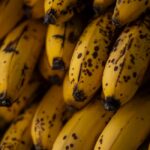
You need about 1.5 medium bananas to fill a cup with slices. If your bananas are on the smaller side, plan for 2. If they are large, one may be enough.
The thickness of your slices also plays a role. Thin slices pack more tightly and reduce air space. Thick slices leave larger gaps and require more banana to fill the same cup.
Most recipes that call for sliced bananas are not asking for a precise measurement. They are describing an amount that looks right in a bowl or on top of cereal. In those cases, the exact count matters less than the overall quantity.
How Many Bananas Are in a Cup of Mashed Banana?
One medium banana yields about 1.25 cups of mashed fruit. So a single medium banana gives you more than a cup, and you would need roughly 0.8 of a banana to measure exactly one cup.
In practice, most recipes that call for mashed banana are written with this in mind. A recipe asking for “1 cup mashed banana” is usually expecting you to mash one medium banana and use slightly more than the cup calls for, or to set a little aside.
If precision matters — say, for a tested baking recipe — mash the banana first, then measure. Do not try to estimate from the whole fruit. Mashing releases water and changes the texture, so the volume after mashing is what counts.
Does Banana Size Change the Conversion?
Yes, and this is where most home cooks run into trouble. Bananas vary widely in size, and recipes rarely specify what “medium” means.
A general guide used in nutrition labeling:
- Small banana: about 6 inches long, yields roughly 1/3 cup mashed
- Medium banana: about 7 to 8 inches long, yields roughly 1/2 to 2/3 cup mashed
- Large banana: about 8 to 9 inches long, yields roughly 3/4 cup mashed
These are approximate ranges, not exact figures. Two bananas of the same length can differ in weight depending on ripeness and variety. A very ripe banana holds more water and sugar by weight, while a greener one is denser with starch.
If a recipe specifies mashed banana by cup, and your bananas are small, you may need two or even three to hit the mark. If they are large, one might overshoot. Taste as you go and adjust.
What About Nutrition — Does the Count Affect Calories?
A medium banana provides about 105 calories, 27 grams of carbohydrates, 3 grams of fiber, and 422 milligrams of potassium, according to USDA data. These values apply to the fruit itself, regardless of how you slice or mash it.
What changes with preparation is how much banana ends up in your cup. A cup of mashed banana contains more fruit — and therefore more calories and sugar — than a cup of sliced banana. That is a volume difference, not a nutritional one.
For most people, this distinction does not matter. Bananas are a nutrient-dense food with fiber, potassium, vitamin B6, and vitamin C. The natural sugars in bananas are packaged with fiber, which slows digestion compared to added sugars.
If you are tracking carbohydrates for medical reasons, weighing your banana is more accurate than measuring by cup. A food scale removes the guesswork entirely.
Tips for Measuring Bananas Accurately
Use a scale when precision matters. For baking, smoothies with specific macros, or any recipe where the banana is a primary ingredient, weight is more reliable than volume.
Mash before you measure. If a recipe calls for mashed banana, mash it first and then scoop it into the cup. Pack it lightly — do not press it down unless the recipe says to.
Know your banana size. If you buy consistently sized bananas, you will learn how many it takes to fill a cup. After a few batches, you will not need to measure at all.
Adjust for ripeness. Very ripe bananas are softer and contain more free liquid. They may measure differently than firmer bananas of the same size. This is one reason two people can follow the same banana bread recipe and get different results.
Can You Substitute Banana in Recipes That Call for Cups?
Bananas can replace some ingredients in baking, but the swap is not one-to-one. Mashed banana is often used in place of oil, butter, or eggs, but it changes the texture and flavor of the final product.
As a general rule, 1/4 cup mashed banana can replace one egg in some recipes. This works better in quick breads and muffins than in cakes that need structure. Banana does not bind the same way eggs do, and it adds moisture and sweetness that the recipe may not account for.
For oil or butter, 1/2 cup mashed banana can sometimes replace 1/2 cup fat. The result will be denser and chewier. It is not a perfect substitute, and results vary by recipe.
If you are new to banana substitutions, start with a recipe that was written to include banana. Then experiment. Baking is less forgiving than cooking, and small changes can have large effects.
Frequently Asked Questions
How many bananas are in a cup of sliced banana?
About 1.5 medium bananas fill one cup when sliced. Smaller bananas may require 2, and larger ones may need just 1.
How many bananas make 1 cup of mashed banana?
One medium banana yields roughly 1.25 cups of mashed fruit, so about 0.8 of a medium banana makes one cup. In practice, most recipes treat one medium banana as close enough to a cup.
How many calories are in a cup of mashed banana?
A cup of mashed banana contains about 200 calories, based on standard nutrition data. This is roughly double the calories of a single medium banana because a cup holds more than one banana’s worth of fruit.
Is it better to measure bananas by weight or by cup?
Weight is more accurate because it removes the variability of air gaps and banana size. If you have a kitchen scale, use it for baking and any recipe where precision matters.
