
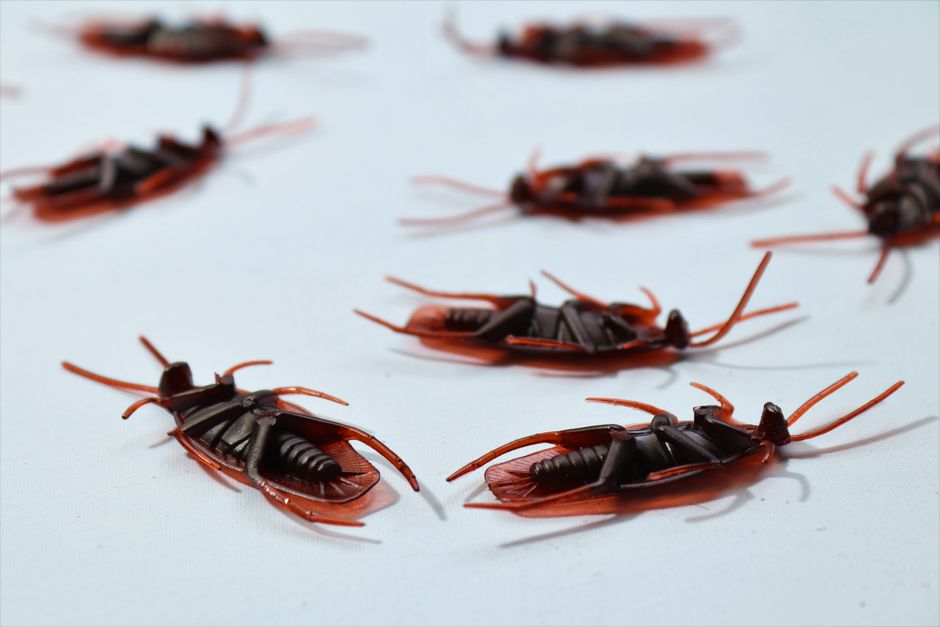
A single cockroach egg case, called an ootheca, does not contain one baby roach. It contains many. The exact number depends entirely on the species of cockroach. A German cockroach egg case can hold 30 to 40 babies. An American cockroach egg case holds about 14 to 16. Understanding this number is the first step in understanding why a small roach problem becomes a large one so quickly.
What Exactly Is a Cockroach Egg?
What people often call a roach egg is actually a protective capsule. The scientific name is an ootheca. The female roach produces this capsule to hold and protect her developing eggs. It looks like a small, dark, bean-shaped pod. You might find it tucked into a crack, behind a refrigerator, or along the edge of a cabinet.
The capsule is made of a tough protein material. It shields the eggs from drying out and from many common pesticides. This is why simply spraying a visible roach does not solve the problem. The eggs inside the capsule can survive treatments that kill adult roaches.
Each capsule contains a row of eggs. When the eggs are ready, the baby roaches, called nymphs, emerge together. They do not hatch one at a time over weeks. They hatch in a group. This is why finding one egg case often means a sudden appearance of many small roaches at once.
How Many Baby Roaches Are In One Egg by Species?
The number of babies per egg case varies significantly by species. This is not a minor detail. It changes how you assess the severity of an infestation. The three most common household pests in the United States are the German cockroach, the American cockroach, and the Oriental cockroach.
- German cockroach: Each egg case holds 30 to 40 eggs. This species is the most common indoor pest. It reproduces fastest and is the hardest to control.
- American cockroach: Each egg case holds about 14 to 16 eggs. These are the large roaches often called palmetto bugs. They prefer warm, damp areas.
- Oriental cockroach: Each egg case holds about 16 eggs. These are dark, shiny roaches that prefer cool, damp places like basements and drains.
- Brown-banded cockroach: Each egg case holds about 14 to 18 eggs. These roaches prefer warm, dry areas and are often found higher up in cabinets.
The German cockroach is the main concern for most homes and apartments. A single female can produce multiple egg cases in her lifetime. She may produce four to six egg cases. If each case holds 35 babies, one female can be responsible for over 150 offspring. Not all survive, but many do.
How Often Do Cockroaches Lay Eggs?
Reproduction speed is what makes cockroach infestations escalate quickly. The German cockroach is the fastest breeder. A female carries her egg case until just before the eggs hatch. This is different from other species that drop the capsule early.
The time from egg to adult varies by species and temperature. For the German cockroach, the entire lifecycle from egg to adult can take about 100 days under warm conditions. The American cockroach takes longer, often several months. Warmer temperatures speed up development. Cooler temperatures slow it down.
This rapid reproduction means a few roaches can become thousands within a few months. The math is straightforward. One female lays an egg case with 35 eggs. Those 35 roaches mature. Half are female. Each of those females lays her own egg case. The population grows exponentially, not linearly.




Where Do Cockroaches Hide Their Eggs?
Finding and removing egg cases is critical to controlling an infestation. Adult roaches are visible. Egg cases are not always easy to spot. The female places them in protected locations where they are less likely to be disturbed.
Common hiding spots include behind appliances, inside cabinet hinges, under sinks, in cracks along baseboards, and inside cardboard boxes. The German cockroach often carries the egg case until hatching. The American cockroach glues the capsule to a surface. You may find these glued capsules behind furniture or in storage areas.
Egg cases are typically dark brown or reddish-brown. They are about the size of a small bean. The German cockroach capsule is smaller than the American cockroach capsule. Look for them in areas where you have seen adult roaches. Removing the capsule prevents the next generation from emerging.
Can You Kill Cockroach Eggs With Spray?
Most over-the-counter insect sprays do not penetrate the egg capsule. The protective coating is designed to resist environmental threats. This includes many chemical sprays. You may kill the adult roaches you see, but the eggs remain viable.
Some professional-grade products are formulated to affect eggs. However, the most reliable method is physical removal. If you find an egg case, do not crush it with your fingers. The eggs can survive pressure in some cases. Instead, place the capsule in a sealed bag and dispose of it outside. You can also scrape it off the surface and drop it into soapy water. The soap suffocates the eggs.
Vacuuming is another effective method. Vacuum up the egg case and immediately seal the vacuum bag in a plastic bag. Dispose of it outdoors. Do not leave the vacuum bag in an indoor trash can. The eggs may hatch inside your home.
What Happens Right After the Eggs Hatch?
Baby roaches, or nymphs, emerge from the egg case as tiny versions of adults. They are white or light gray at first. Within hours, they darken to their species’ normal color. Nymphs are very small, often about the size of a grain of rice.
Nymphs need food and water immediately. They will seek out the same food sources as adults. This includes crumbs, grease, pet food, and even paper products. They stay close to the hatching site if conditions are favorable. This is why you often see a cluster of small roaches in one area rather than scattered throughout the home.
Nymphs go through multiple molts before becoming adults. Each molt is a stage of growth. The number of molts varies by species. German cockroach nymphs molt about six to seven times. American cockroach nymphs molt more times and take longer to mature. Only adult roaches can reproduce. But nymphs grow quickly when food and warmth are available.
How to Prevent Future Egg Cases
Prevention focuses on making your home less attractive to roaches. The goal is to reduce food, water, and shelter. These are the three things roaches need to survive and reproduce.
Keep kitchens clean. Wipe counters, sweep floors, and do not leave dirty dishes overnight. Store food in sealed containers. Pet food should not be left out all day. Fix leaky faucets and pipes. Roaches need water as much as they need food.
Seal cracks and gaps around the home. Check under sinks, around pipes, and along baseboards. Use caulk to close these entry points. Cardboard boxes are a common hiding spot. Use plastic storage bins instead. Inspect any used furniture or appliances before bringing them inside. Egg cases can hitchhike into your home on secondhand items.
When to Call a Professional
If you are finding multiple egg cases, the infestation is established. Over-the-counter products may not be enough. Professional pest control has access to treatments that are not available to the public. They can also identify the species and target the treatment accordingly.
Professionals use a combination of gel baits, insect growth regulators, and residual sprays. Insect growth regulators prevent nymphs from maturing into reproducing adults. This breaks the lifecycle. Baits are consumed by roaches and shared with others in the colony. This approach is more effective than spraying visible roaches.
Do not wait weeks to call a professional. The longer you wait, the more egg cases are produced. Each egg case represents dozens of future roaches. Early intervention is the most effective strategy.
Frequently Asked Questions
How many baby roaches are in one German cockroach egg?
A German cockroach egg case contains 30 to 40 babies. This species reproduces faster than any other common household roach.
Can you see cockroach eggs with the naked eye?
Yes, cockroach egg cases are visible. They look like small, dark brown capsules about the size of a bean.
Do cockroach eggs hatch all at once?
Yes, all the babies in one egg case hatch around the same time. This is why you may suddenly see many small roaches at once.
Does bleach kill cockroach eggs?
Bleach is not reliably effective against cockroach eggs. The protective capsule shields the eggs from many liquids. Physical removal is the most reliable method.
