
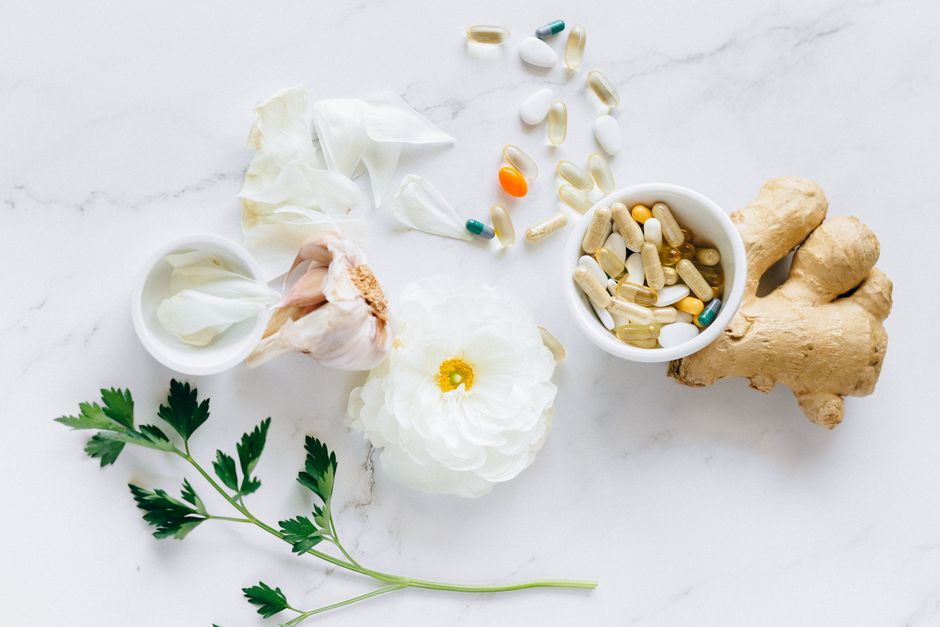
Lysine is an essential amino acid, meaning your body cannot make it and must get it from food. It plays a direct role in building proteins, producing hormones and enzymes, and supporting the immune system’s ability to defend against certain infections. The strongest and most studied immune connection involves lysine’s effect on herpes simplex virus, though it contributes to broader immune function as well.
Most people in the United States get enough lysine through diet without thinking about it. Where lysine becomes interesting is in specific situations — during viral outbreaks, in people with certain dietary limitations, and in the ongoing research into how amino acids influence immune cell activity. This article explains what lysine does, what the evidence actually shows, and where the gaps are.
What Is Lysine and Why Does the Body Need It?
Lysine is one of nine essential amino acids. Your body uses it to build proteins, including antibodies and immune signaling molecules. Without enough lysine from food or supplements, protein synthesis slows and immune function can suffer.
Dietary sources are common. Animal proteins like meat, poultry, fish, eggs, and dairy are rich in lysine. Plant sources include legumes, soy, quinoa, and certain nuts and seeds. In countries where wheat is a dietary staple and lysine-rich foods are scarce, deficiency is a real public health concern. In the US, true lysine deficiency is uncommon outside of restrictive diets or specific medical conditions.
Lysine also serves as a precursor for carnitine, a molecule involved in energy production. That role is separate from immune function but explains why lysine matters beyond infection defense.
How Lysine Supports the Immune System?
Lysine supports the immune system mainly by interfering with how certain viruses replicate and by contributing to the production of immune proteins. The most well-documented mechanism involves arginine, another amino acid.
Herpes simplex virus needs arginine to replicate. Lysine and arginine compete for the same transport pathways into cells. When lysine levels are high relative to arginine, the virus has less access to the arginine it needs. This is not a perfect blockade, but it is a measurable effect that researchers have studied for decades.
Lysine is also required for the synthesis of antibodies and cytokines — proteins immune cells use to communicate and coordinate attacks. A shortage of lysine can impair that process. This is basic physiology, not a marketing claim.
What lysine does not do is boost the immune system in a general, nonspecific way. It is not a broad-spectrum antiviral. Its immune role is real but narrow, and most relevant to herpes family viruses.
Does Lysine Help With Cold Sores and Herpes Outbreaks?
The evidence here is mixed but leans toward a modest benefit for some people. Cold sores are caused by herpes simplex virus type 1 (HSV-1). Genital herpes is usually HSV-2, though HSV-1 can also cause genital infections.
Some clinical studies have found that lysine supplements reduce the frequency and severity of cold sore outbreaks. Other studies have found no significant difference compared to placebo. The research is not consistent, and study sizes have generally been small.
A commonly cited dose in clinical research is 1,000 mg taken three times daily during an outbreak, sometimes with a maintenance dose between outbreaks. This is not a universally established guideline, and responses vary. Some clinicians recommend it; others consider the evidence too weak to justify routine use.
What most researchers agree on is the dietary ratio point: eating more lysine-rich foods and fewer arginine-rich foods (like chocolate, nuts, and seeds) may help some people reduce outbreak frequency. This is a supportive strategy, not a treatment.
Lysine is not a cure for herpes. It does not eliminate the virus from the body. It does not replace antiviral medications like acyclovir or valacyclovir, which have stronger evidence for reducing outbreak duration and transmission.
How Much Lysine Do You Need?
The World Health Organization estimates the lysine requirement for adults at approximately 30 mg per kilogram of body weight per day. For a 70 kg (154 lb) adult, that is about 2,100 mg daily from food.
Most Americans exceed this without effort. A cup of cooked chicken provides roughly 2,000 mg of lysine. A cup of milk provides about 700 mg. A half-cup of tofu provides around 600 mg. These figures come from USDA nutritional data.
| Food | Approximate Lysine per Serving |
|---|---|
| Chicken breast, 3 oz cooked | ~2,000 mg |
| Milk, 1 cup | ~700 mg |
| Tofu, 1/2 cup | ~600 mg |
| Eggs, 1 large | ~250 mg |
| Lentils, 1 cup cooked | ~1,200 mg |
Supplement doses used in herpes research are higher than dietary needs — typically 1,000 mg to 3,000 mg daily. No clinical guidelines exist for lysine supplementation in pregnant women, infants, or children.
Can Lysine Deficiency Weaken Your Immune System?
Severe lysine deficiency impairs immune function. This is well established in animal studies and in human populations where dietary protein is chronically insufficient.
In these cases, the body cannot produce enough antibodies and immune signaling proteins. The result is increased susceptibility to infections. However, this level of deficiency is rare in the US and other countries with adequate protein intake.
Milder insufficiency is harder to detect. There is no standard blood test for lysine status used in routine clinical practice. Symptoms like fatigue, poor wound healing, and frequent infections could theoretically relate to inadequate protein intake broadly, but lysine specifically is rarely the sole culprit.
People at higher risk for inadequate lysine intake include those with eating disorders, malabsorption conditions like celiac disease, and those following strictly limited diets without adequate protein sources.
What Does the Research Actually Show?
Research on lysine and immune function falls into two categories: herpes-related studies and broader amino acid research.
Herpes studies are the most numerous. Results are mixed. Some show reduced outbreak frequency and duration with lysine supplementation; others show no effect. A 2017 review of the evidence concluded that lysine may have a modest benefit for reducing cold sore recurrence, but the quality of studies was low and results were inconsistent.
Broader immune research is more preliminary. Lysine is known to be necessary for immune cell function at the biochemical level. What is less clear is whether supplementing beyond dietary needs provides any additional immune benefit in healthy people. Current evidence does not support that conclusion.
Lysine is not an immune booster in the way that term is often marketed. It is a required nutrient. Meeting the requirement matters. Exceeding it has not been shown to enhance immunity in people who already eat enough protein.
Are There Risks or Interactions With Lysine Supplements?
Lysine supplements are generally well tolerated at doses up to 3,000 mg daily in healthy adults. Higher doses can cause gastrointestinal discomfort, including nausea, diarrhea, and abdominal cramps.
One important interaction: lysine can increase calcium absorption. People taking calcium supplements or with conditions affecting calcium regulation should be aware of this. In rare cases, high-dose lysine has been associated with kidney issues, though this is not well documented in healthy people taking standard doses.
Lysine may interact with certain antibiotics, particularly aminoglycosides. If you take prescription medications, check with a pharmacist before adding lysine supplements.
Pregnant and breastfeeding women should not take lysine supplements without medical guidance. No clinical guidelines exist for lysine supplementation in these populations, and the safety data is limited.
For most people, food sources are sufficient and preferable. Supplements are not necessary unless a specific medical reason exists.
Frequently Asked Questions
Does lysine actually boost the immune system?
Lysine supports immune function by contributing to antibody production and by interfering with herpes virus replication. It is not a general immune booster, and supplementing beyond dietary needs has not been shown to enhance immunity in healthy people.
How much lysine should I take for a cold sore?
Some clinical studies have used 1,000 mg three times daily during outbreaks, but this is not an established guideline and evidence is mixed. Talk to your doctor before using lysine to treat or prevent cold sores.
Can I get enough lysine from food alone?
Yes, most people in the US get more than enough lysine from foods like meat, dairy, eggs, and legumes. The World Health Organization estimates adults need about 30 mg per kilogram of body weight daily, which is easily met through a normal diet.
Is lysine safe to take every day?
Lysine supplements appear well tolerated at doses up to 3,000 mg daily in healthy adults, though higher doses can cause stomach upset. Pregnant women, children, and people on prescription medications should consult a doctor first.
