
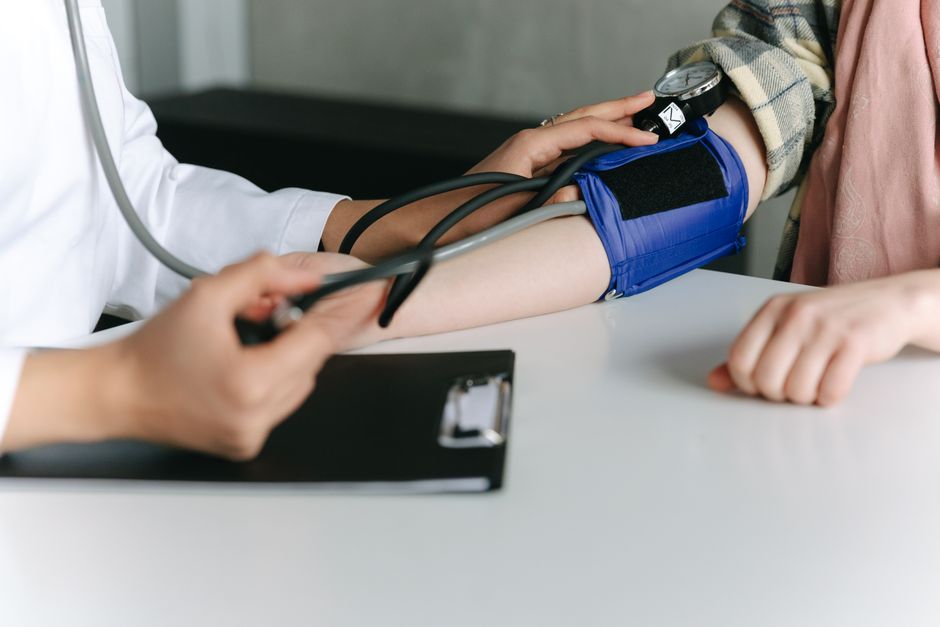
Most doctors consider blood pressure too low when it drops below 90/60 mmHg and causes symptoms. The number alone matters less than how you feel. Many healthy people walk around with readings like 85/55 and feel fine. For them, that blood pressure is normal. But when low blood pressure leads to dizziness, fainting, or confusion, it becomes a medical concern that deserves attention.
What Do The Blood Pressure Numbers Mean?
Blood pressure is recorded as two numbers. The top number is systolic pressure. It measures the force in your arteries when your heart beats. The bottom number is diastolic pressure. It measures the force between beats when your heart rests.
Normal blood pressure for most adults sits around 120/80 mmHg. Low blood pressure, called hypotension, is generally defined as 90/60 mmHg or lower. That definition comes from clinical guidelines, but it is not a strict cutoff for everyone.
A single low reading does not mean something is wrong. Blood pressure naturally rises and falls throughout the day. It dips during sleep and rises with activity, stress, or excitement. What matters is the pattern and how your body responds.
When Is Low Blood Pressure Actually Dangerous?
Low blood pressure becomes dangerous when it deprives your organs of oxygen-rich blood. Your brain, heart, and kidneys need steady blood flow to work properly. When pressure drops too far, blood cannot reach those organs effectively.
Signs that low blood pressure is causing problems include dizziness when standing, blurred vision, nausea, cold clammy skin, and fainting. More serious warning signs include confusion, weak rapid pulse, shallow breathing, and an inability to stand. These symptoms suggest your body is struggling to maintain circulation.
A sudden drop in blood pressure can be an emergency even if the numbers do not seem extreme. A reading that falls from 140/90 to 100/70 may feel alarming to someone accustomed to higher pressure. Rapid changes matter as much as absolute numbers.
What Causes Blood Pressure To Drop Too Low?
Several common situations can push blood pressure below safe levels. Dehydration reduces blood volume, which lowers pressure. Severe dehydration from vomiting, diarrhea, or excessive sweating can cause significant drops.
Certain medications lower blood pressure as a side effect. Diuretics, some antidepressants, and medications for erectile dysfunction can all reduce pressure. So can some over-the-counter cold remedies when combined with prescription drugs. If you start a new medication and feel dizzy or lightheaded, tell your doctor.
Heart conditions can also cause low blood pressure. A weak heart muscle, abnormal heart rhythms, or heart valve problems can reduce the heart’s ability to pump blood effectively. Endocrine disorders like thyroid disease or adrenal insufficiency can disrupt blood pressure regulation as well.
Blood loss from injury or internal bleeding drops blood volume rapidly. Severe infection can trigger a dangerous condition called septic shock, where blood vessels dilate widely and pressure falls dramatically. Both require immediate emergency care.

What Is Orthostatic Hypotension?
Orthostatic hypotension is a specific type of low blood pressure. It happens when you stand up and blood pressure drops suddenly. Normally, your body quickly adjusts to gravity by narrowing blood vessels and adjusting heart rate. When this system fails, blood pools in your legs and pressure falls.
This condition is common in older adults. It affects roughly 10 to 20 percent of people over 65. It also occurs in younger people who are dehydrated, have been on bed rest, or take certain medications.
The classic symptom is dizziness or lightheadedness when standing from a seated or lying position. Some people experience blurred vision, weakness, or fainting within moments of standing. Doctors diagnose this when systolic pressure drops at least 20 mmHg or diastolic drops at least 10 mmHg within three minutes of standing.
Simple measures can help. Standing up slowly, drinking more fluids, and wearing compression stockings reduce symptoms for many people. If medication causes the problem, adjusting the dose under medical supervision often resolves it.
What Blood Pressure Is Too Low During Pregnancy?
Blood pressure typically falls during pregnancy, especially in the first two trimesters. This happens because pregnancy hormones relax blood vessel walls and the circulatory system expands. Readings of 90/60 are common and usually harmless in pregnancy.
However, low blood pressure during pregnancy can cause dizziness and fainting. This is particularly concerning because falls can injure both mother and baby. Pregnant women who feel faint should sit or lie down immediately and rise slowly from positions.
Severe low blood pressure in pregnancy can reduce blood flow to the placenta. Some research suggests this may affect fetal growth, though the evidence is not conclusive. Pregnant women with persistent dizziness, fainting, or readings below 90/60 should discuss them with their obstetrician.
How Low Is Too Low For Older Adults?
Older adults face unique risks from low blood pressure. Age-related changes make blood vessels stiffer and less responsive. The body’s ability to adjust pressure quickly declines. Many older adults take multiple medications that lower pressure.
For seniors, the bigger concern is falls. A blood pressure reading of 95/60 might seem acceptable on paper, but if it causes dizziness and leads to a hip fracture, it is too low for that person. Falls are a leading cause of injury and hospitalization in adults over 65.
Some research shows that excessively low blood pressure in older adults may reduce blood flow to the brain. This has been linked in some studies to cognitive decline, though the relationship is not fully understood. The safest approach is to monitor symptoms rather than chasing a specific number.
How Low A Blood Pressure Is Too Low To Call The Doctor?
Call your doctor if you have repeated readings below 90/60 and feel symptomatic. Dizziness, lightheadedness, or fainting episodes warrant a medical evaluation even if your readings look only moderately low.
Seek emergency care immediately if low blood pressure comes with chest pain, shortness of breath, severe headache, blurred vision, or fainting that lasts more than a few seconds. These symptoms can indicate a heart attack, internal bleeding, or a severe allergic reaction. Do not wait to see if symptoms improve on their own.
Also seek emergency care if low blood pressure follows a head injury, severe burn, or heavy bleeding. A sudden drop after starting a new medication also requires prompt medical attention, especially if you feel weak or confused.
How Can You Manage Low Blood Pressure At Home?
If your blood pressure runs low but you feel fine, no treatment is needed. If you experience mild symptoms, several lifestyle adjustments can help.
Drink more water. Adequate hydration increases blood volume and supports healthy pressure. Most adults need about 8 to 10 cups of fluid daily, though needs vary with activity and climate.
Eat smaller, more frequent meals. Large meals divert blood to your digestive system, which can lower pressure elsewhere. This condition, called postprandial hypotension, is more common in older adults.
Move slowly when changing positions. Sit on the edge of the bed for a minute before standing. Hold onto something stable when first rising. These small habits prevent sudden pressure drops.
Limit alcohol. Alcohol dilates blood vessels and can lower pressure. If you drink and notice dizziness, reducing intake may help.
Check your blood pressure at home if you have concerns. Take readings at the same time each day, sitting quietly for five minutes beforehand. Keep a log to share with your doctor. Home monitoring provides a clearer picture than occasional office readings.
Can You Raise Blood Pressure With Salt?
Increasing salt intake raises blood pressure for some people. Doctors sometimes recommend this for individuals with chronic low blood pressure who do not have heart or kidney disease. Salt causes the body to retain water, which increases blood volume.
Do not increase salt without medical guidance. Extra salt can harm people with heart failure, kidney disease, or high blood pressure that fluctuates. Your doctor can determine whether a higher salt intake is safe for your situation.
For otherwise healthy people with occasional low readings, adding a bit more salt to meals is generally low risk. The bigger question is whether you need to raise your pressure at all. If you have no symptoms, you probably do not.
When Low Blood Pressure Is Actually A Good Sign
Lower blood pressure generally means better cardiovascular health. People with readings in the 90s systolic often have lower risk of heart attack, stroke, and kidney disease than people with higher readings. Athletic individuals frequently have resting pressures in this range.
The key distinction is between low pressure that causes symptoms and low pressure that does not. Asymptomatic low blood pressure is not a disease. It is a physiological state that many healthy people maintain throughout their lives.
Treatment is only indicated when symptoms interfere with daily life or when an underlying condition causes the drop. Otherwise, the best approach is to keep living normally and let your body do what it does well.
Frequently Asked Questions
What blood pressure reading is considered too low?
Readings below 90/60 mmHg are considered low blood pressure. It becomes a concern when this reading comes with symptoms like dizziness, fainting, or confusion.
Can low blood pressure cause a heart attack?
Low blood pressure itself does not cause heart attacks, but a sudden dangerous drop can indicate a heart attack is happening. Seek emergency care if low pressure occurs with chest pain or shortness of breath.
Is 90/60 blood pressure dangerous?
90/60 is the threshold for low blood pressure, but it is not automatically dangerous. Many healthy people have readings at this level without any symptoms.
What should I do if my blood pressure drops suddenly?
Sit or lie down immediately to prevent fainting. Elevate your legs above heart level if possible. If symptoms do not improve quickly or are severe, call for emergency help.
